Chinse Principal on the Three Academic Pathways at Dulwich
Most families start by asking the same thing: which pathway is best? At Dulwich International High School Programme Suzhou, we have learned that there is a better question to ask: which pathway allows a student to grow with confidence and find genuine meaning in what they are doing?
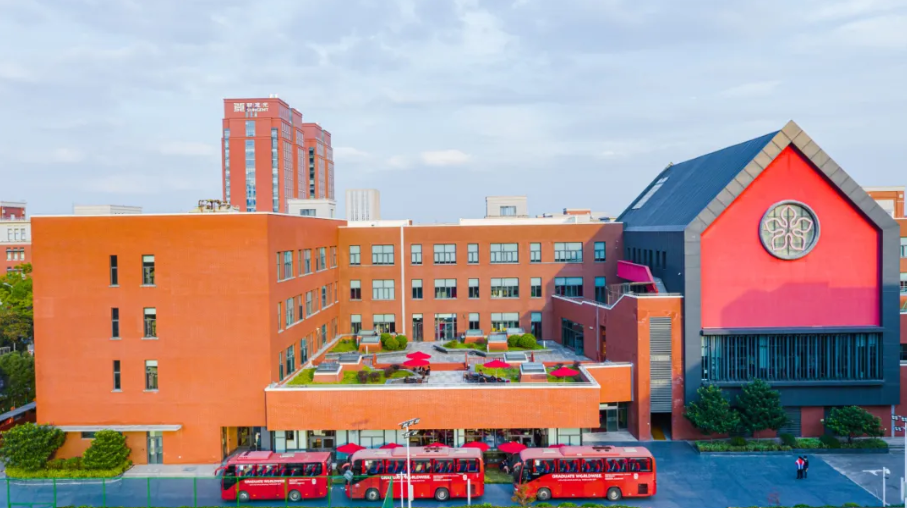
Every student arrives with different strengths, interests, learning dispositions and aspirations for the future. Education should fit the student, not the other way around. That is why Dulwich International High School Programme Suzhou offers multiple academic pathways, designed for students who arrive with different backgrounds, different academic foundations and different ways of learning. There is no single model here. There is the right model for your child.
What Our Principal Wants You to Know
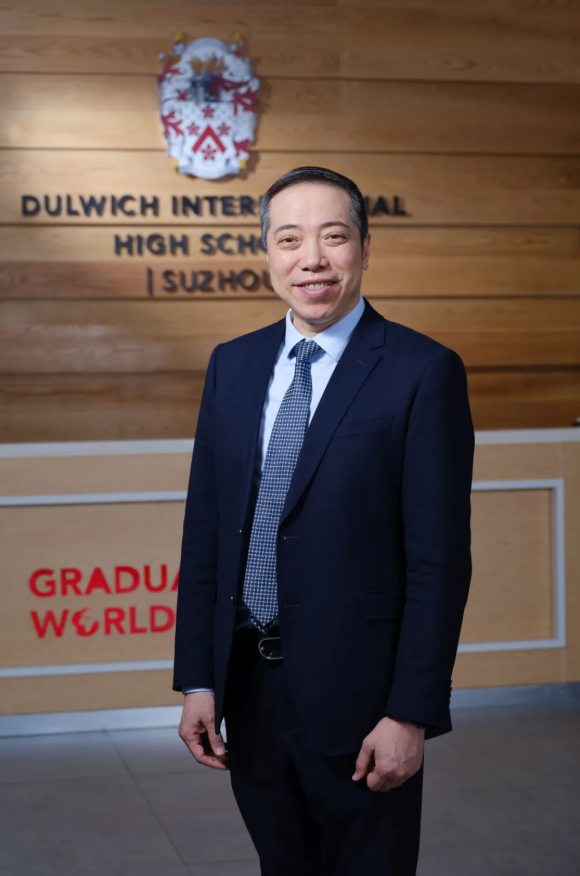
How should families approach academic pathways selection within an international curriculum? What type of learning environment allows different students to thrive? In an interview, Mr Jon Fei, Chinese Principal of Dulwich Suzhou High School Programme, reflects on some of the questions families ask most often and provides greater insight into the thinking behind each pathway and the support available to students.
Three Academic Pathways, One Personalised Journey
When a student joins Dulwich International High School Programme Suzhou, we begin by listening. A comprehensive assessment looks not only at where they are academically but also where they want to go: their university ambitions, their interests, their strengths and the way they learn best. The pathway we recommend is built around that picture, not around a fixed menu of options. To support students with different learning styles, academic foundations and future goals, DHSZ currently offers three academic pathways. While all pathways eventually lead into the same A Level programme and Upper School courses, they differ in the pace, structure and flexibility of the earlier learning stages.
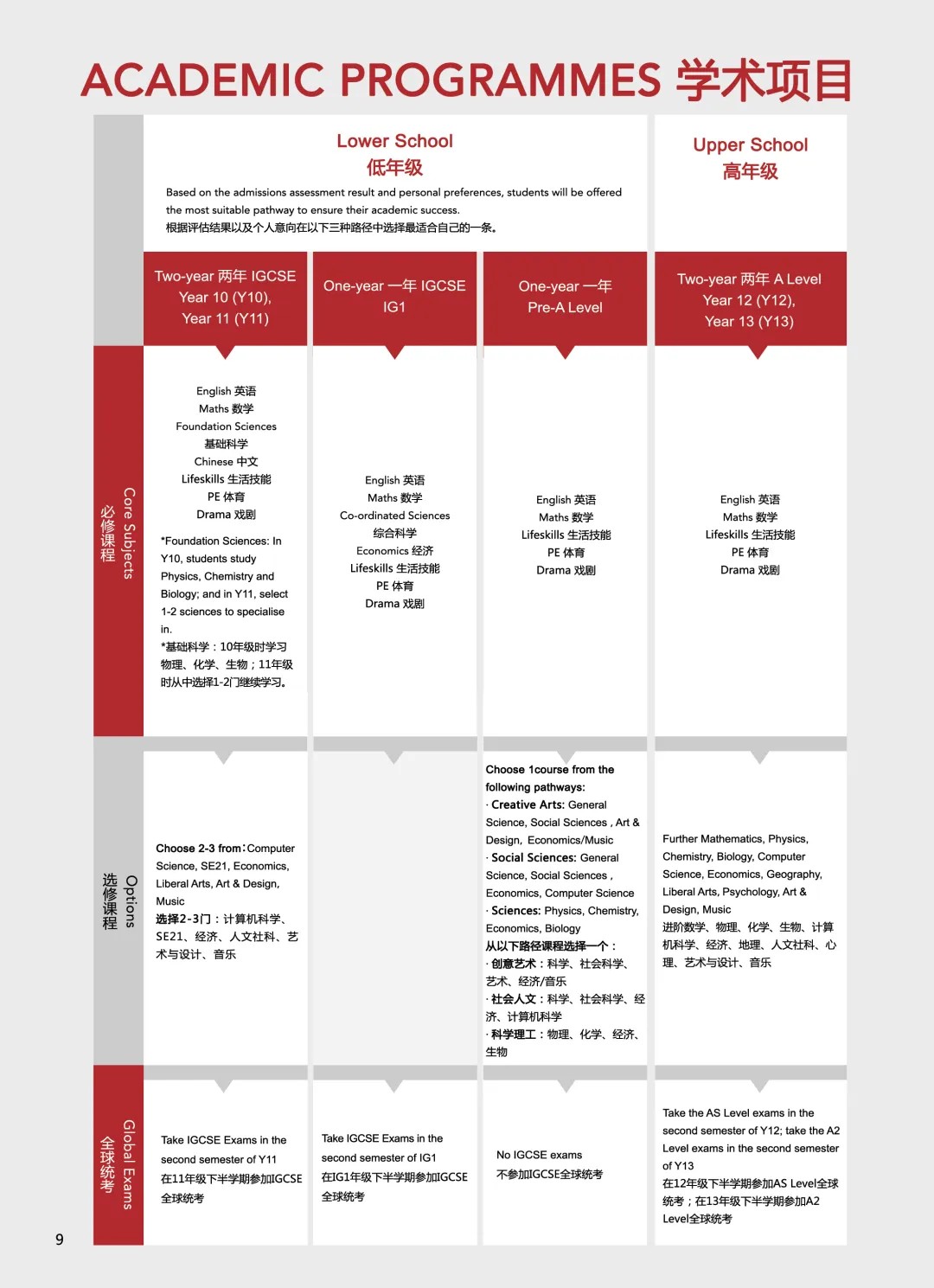
Four-Year Pathway (Two Years of IGCSE + Two Years of A Level)
Students following the four-year pathway complete a two-year IGCSE programme before progressing into A Levels. This route offers students more time to gradually strengthen academic foundations while exploring a broader range of subjects and interests.
During Year 10 and Year 11, students study core subjects including:
- English
- Mathematics
- Sciences
- Chinese
- Lifeskills
- Physical Education
- Drama
Alongside these subjects, students also choose two or three electives from areas such as:
- Computer Science
- SE21
- Economics
- Humanities and Social Sciences
- Art and Design
- Music
Students take their IGCSE examinations during the second half of Year 11 before moving into their A Level programme.
Three-Year IG1 Pathway (One Year of IGCSE + Two Years of A Level)
The IG1 pathway is designed for students who are ready for a more accelerated academic transition into international education. Students complete the IGCSE curriculum within a single year before progressing into A Levels.
During the IG1 year, students study core subjects including:
- English
- Mathematics
- Combined Sciences
- Economics
- Lifeskills
- Physical Education
- Drama
Due to the accelerated pace of the pathway, students focus primarily on core academic subjects during the first year, with less flexibility for elective explorations at this stage. Students sit their IGCSE examinations during the second half of the IG1 year before moving into the A Level programme.
Three-Year PAL Pathway (One Year of Pre-A Level + Two Years of A Level)
The PAL (Pre-A Level) pathway offers students greater flexibility and a more gradual transition into international learning. Rather than following a traditional IGCSE structure, the programme focuses on building academic confidence, subjects' exploration and preparation for future A Level study.
During the PAL year, students study core subjects including:
- Chinese
- Drama
- English
- Lifeskills
- Mathematics
- Science
- Physical Education
Alongside these core subjects, students choose one specialist pathways from:
- Creative Arts
- Social Sciences and Humanities
- Science and Engineering
PAL students do not sit external IGCSE examinations during their first year.
Although the pathways differ in structure and pacing, all students ultimately progress into the same A Level programme during the final two years. The purpose of these different routes is not to separate students by ability, but to provide different learners with the environment and pace in which they can grow most successfully.
Alongside compulsory requirements, students select advanced A Level subjects such as Further Mathematics, Physics and Chemistry according to their university aspirations and future career interests. External examinations are then taken during the second half of Year 12 and Year 13.
What Is the Difference Between IG1 and PAL?
For families considering a three-year programme, the distinction between IG1 and PAL is often one of the most important considerations. In simple terms, the difference lies in curriculum structure and the type of learning approach students may benefit from.

The IG1 pathway follows a more intensive academic model with a faster pace of study. Students complete the full IGCSE curriculum within a single year before sitting external examinations. As a result, the curriculum places greater emphasis on core academic subjects and offers less flexibility for elective exploration during this stage.
The PAL pathway, meanwhile, provides students with greater flexibility and a more gradual transition into an international curriculum environment. The curriculum allows student more space to explore subjects interests, strengthen academic confidence and adapt to new ways of learning before progressing into A Levels.
The two curriculum pathways are designed to cater to different learning styles and developmental needs. For schools and families, the key consideration is finding the pathway that best aligns with a student’s academic ability, interests and future aspirations.
The Support Behind Every Student's Success
At Dulwich International High School Programme Suzhou pathway selection is not treated as a single decision made at admission, but as part of an ongoing process of guidance, reflection and growth. As students develop academically and personally, the school continues to provide personalised academic guidance and university counselling support, helping them make informed decisions at every stage of their journey.
This support extends beyond the classroom. Students pursuing creative disciplines receive specialist portfolio guidance, while those wishing to deepen their academic research skills can explore opportunities such as the Extended Project Qualification (EPQ). The goal is never simply to complete a curriculum requirement, but to help students gradually develop academic confidence, self-awareness and a clear sense of direction for the future.
At DHSZ, we do not believe student growth can be measured through a single pathway or a single definition of success. Through its commitment to holistic education, Dulwich International High School Programme Suzhou. seeks to provide every student with an environment in which they can thrive.
By balancing academic achievement, personal interests, individual strengths and future aspirations, students are given the space to develop at their own pace while being continuously supported along the way.
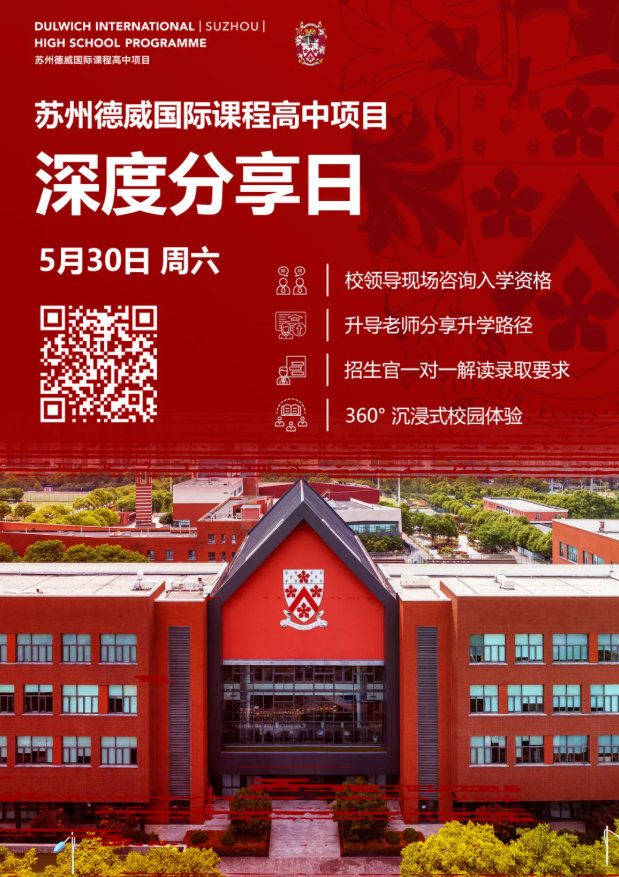
We warmly invite families to join our Information Session on 30 May 2026 to learn more about DHSZ pathways. Families are also welcome to connect with our Admissions Team via WeCom for further information. We look forward to exploring your child's future together, so that they may Grow in Dulwich, and Thrive in Life.