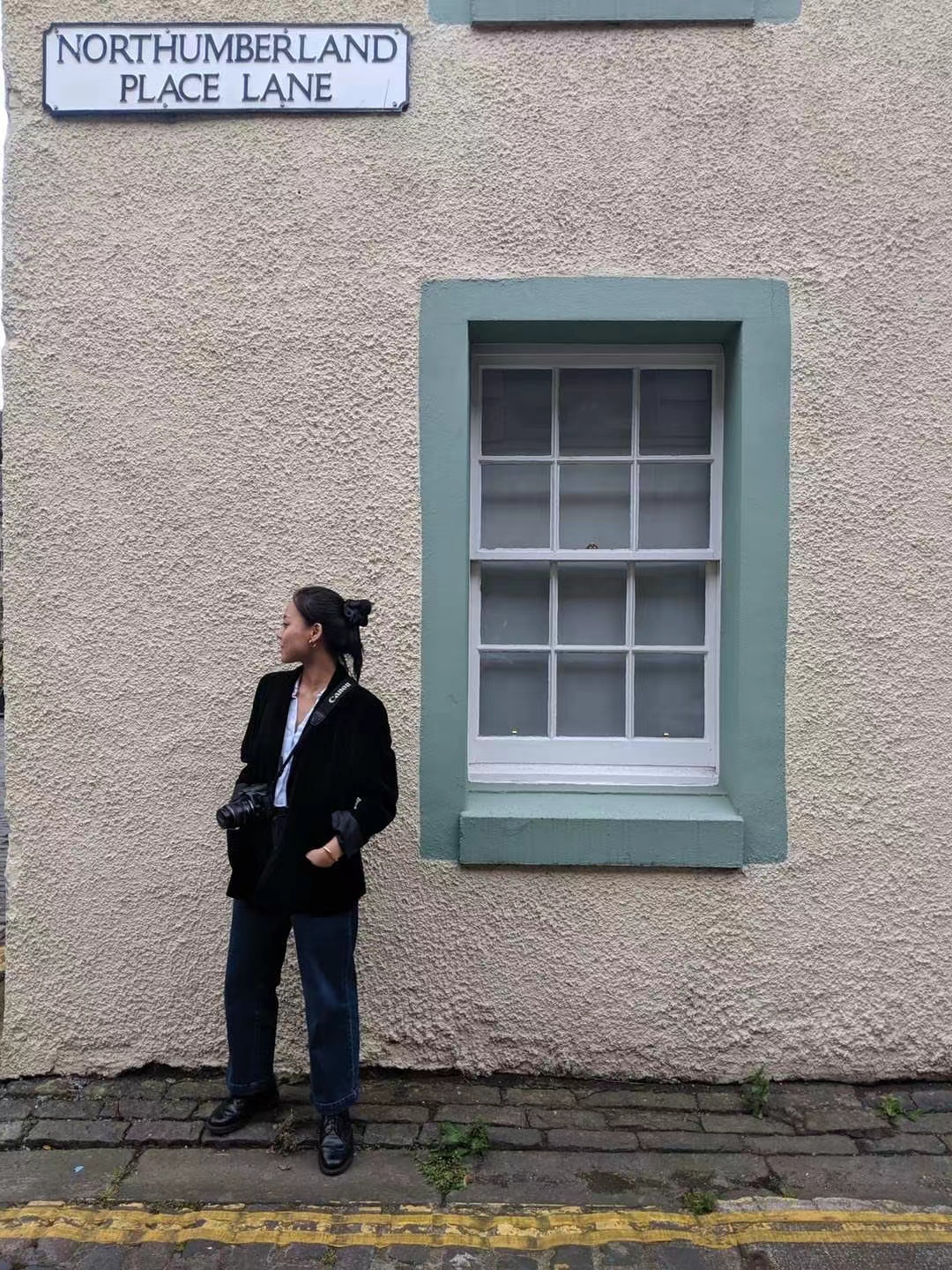
An Enthusiast of the Curatorial and the Anthropological


From the Dulwich International High School Suzhou Class of 2016, Harriet Zhang studied for a BA in Social Anthropology, at the School of Oriental and African Studies, University of London (SOAS), and for a Masters in Curating Contemporary Art at the Royal College of Art (RCA).
As an independent curator and researcher, she is preparing some new projects and will continue to focus on anthropology and curatorial research.
Dulwich Life

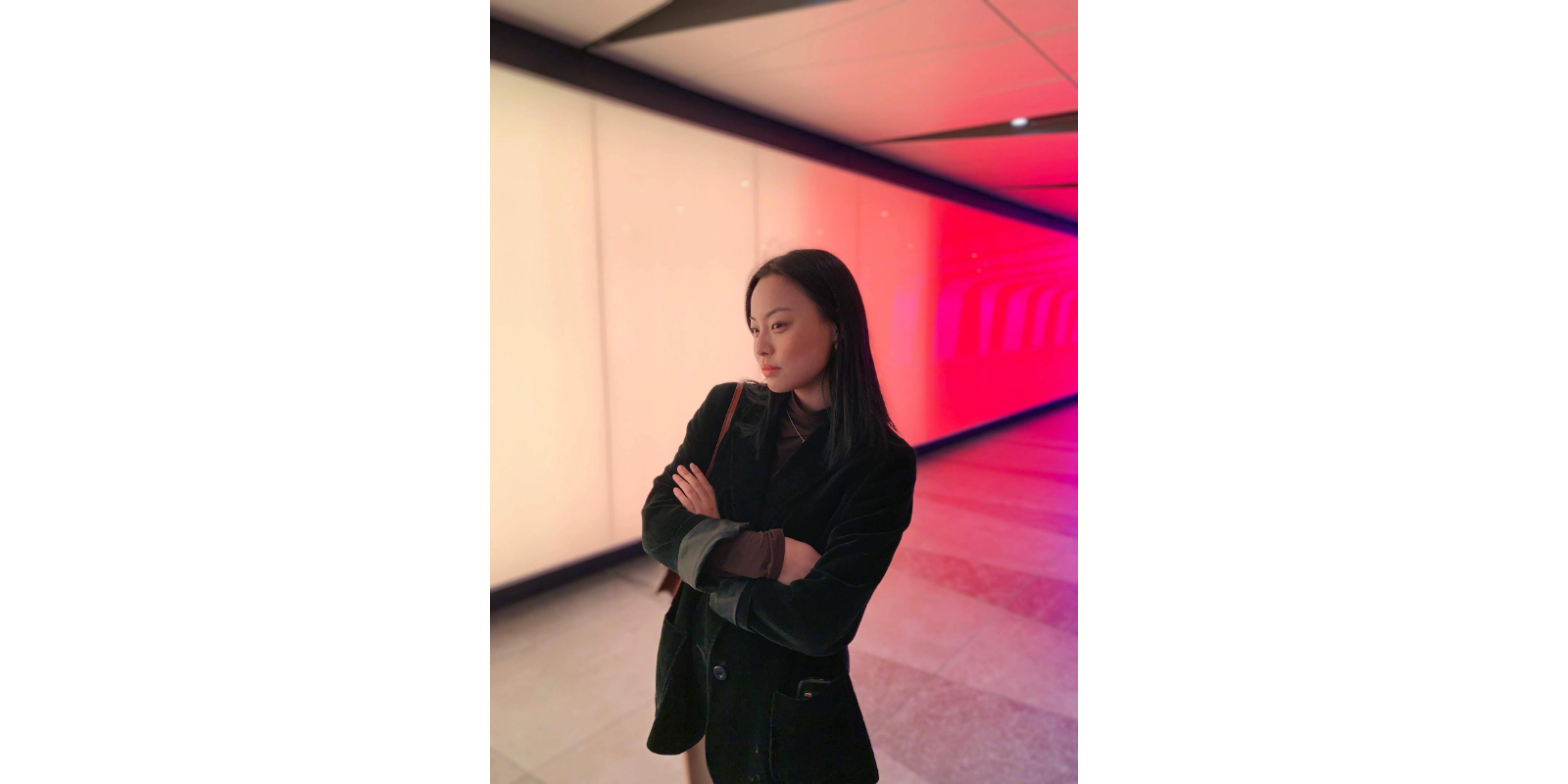
The culture of diversity at Dulwich allowed Harriet to understand world trends at the macro level and the details at the micro-level. “I would call the details nuances. While respecting these nuances, I used them to know myself, which is crucial for finding my self-consistency,” said Harriet.
Dulwich helped shape her values. She likes the “whole person” education philosophy provided by Dulwich. She also believes that test scores or popularity at school should not be the only standards to assess a student’s success. She doesn’t like the word “success” very much, and always questions, how do we define it, and how should we? As far as Harriet is concerned, “Everyone yearns for an elite and refined lifestyle, but that sort of life often fails to address the needs of the inner self, or even recognise its existence.” Holistic education constantly reminds her of what she is pursuing and the actions she needs to take to achieve her goals.
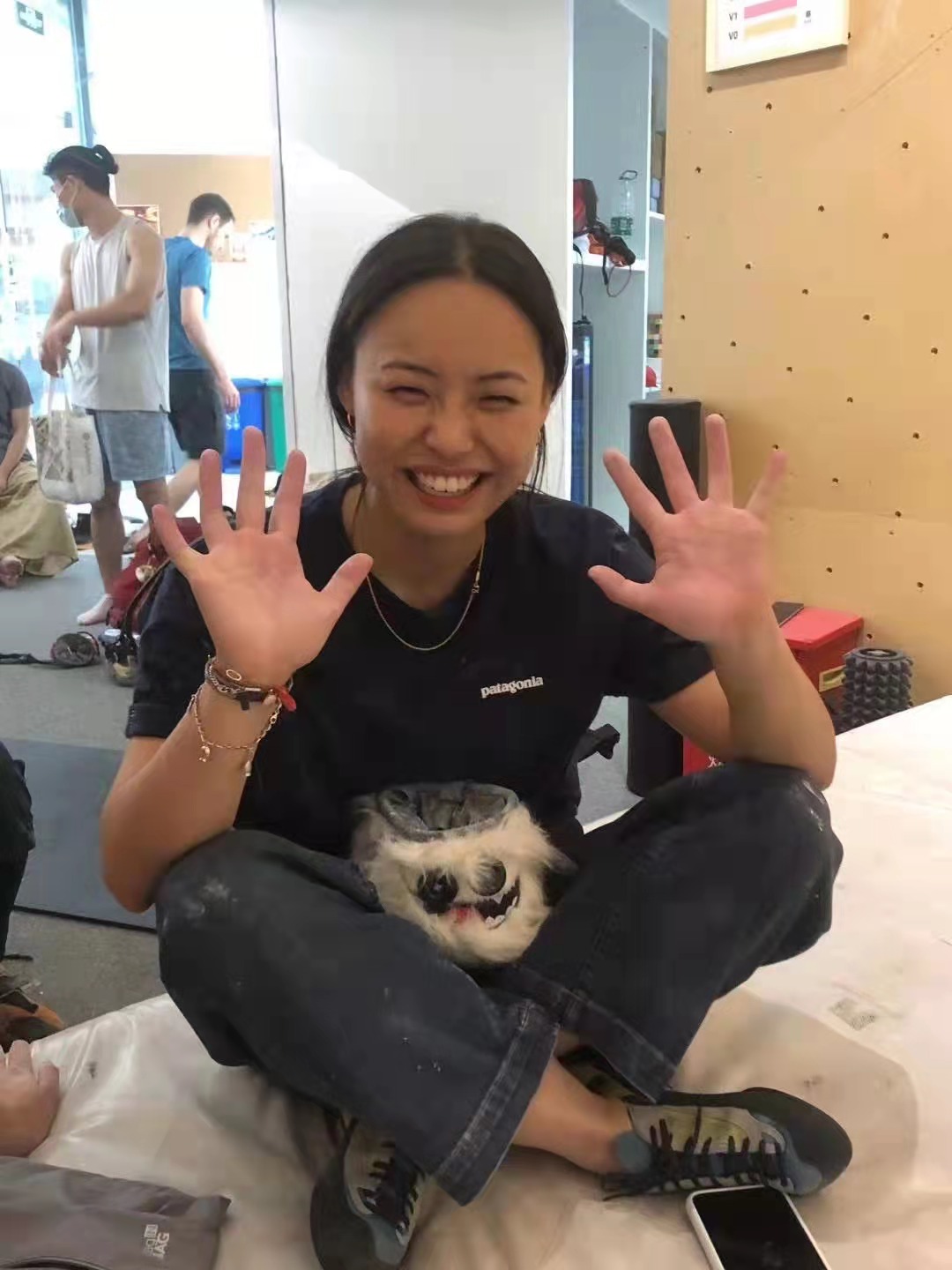
Among all the subjects Harriet learned at our school, she liked drama the most. When she visited Hangzhou Tianmu Li Art Museum some time ago, she came across a workshop on performance and body, and immediately thought of Mrs Rebecca Dorrington's class. Mrs Dorrington was her drama teacher and the Head of her House, Grenville (as it was previously known), which was always the champion among the four houses. Going back to the drama class, Harriet enjoyed it the most, because she could relax and feel the connection between her body and mind, and tried her best to understand the character, and communicate her emotions to her performance. “I miss the time at Dulwich when I was up on the stage performing as the leading actress with great confidence and passion,” said Harriet.
After graduating from Dulwich, Harriet participated in an alumni event held by Dulwich College London during her university years. At that time, she happened to be sitting with the principal during dinner, who heard about her anti-colonial research and asked her what she thought about Dulwich's teaching philosophy, so they exchanged ideas about Dulwich International School's development model of "decentralization" and "whole person education". She recently attended an alum social event in Beijing, where she was delighted to meet a few alumni from DHSZ. She recalls that “They were very friendly, and I feel delighted when I know that everyone lives a decent life.”
Useful Soft Skills
For Harriet, reading and writing are the skills she developed in high school that helped the most at university. Her mother forced her to read books, make excerpts, and put novels in the bathroom since she was a child. In high school, she went to Yale University to take a summer course, and it was then she picked up the habit of excerpting. One of the courses she took was English literature which was very mind-blowing. No matter how confident she was in English, she had difficulties understanding classical English literature. Therefore, she decided to write everything that she didn’t understand in the notebook and study them word by word.
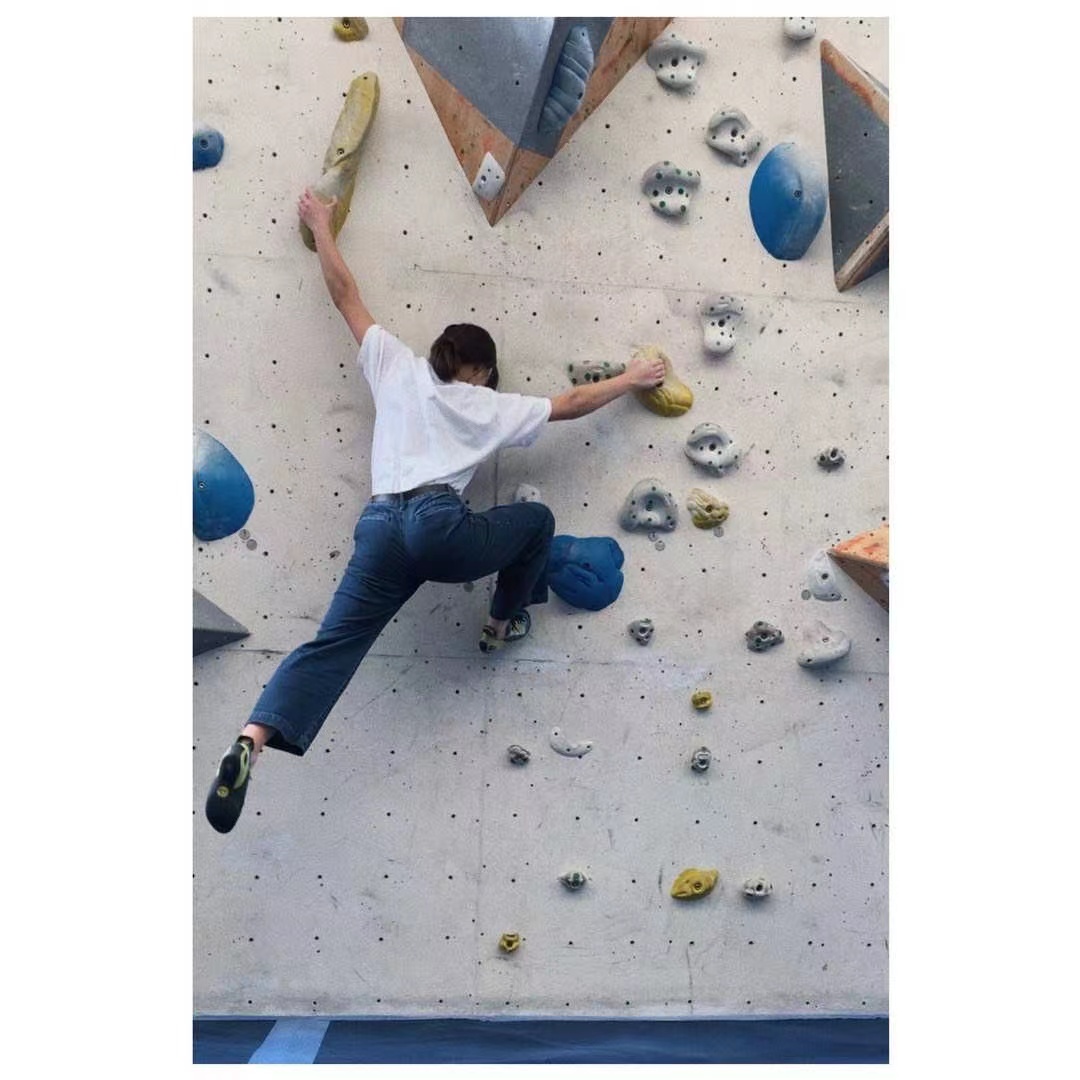
Harriet told us she has kept that habit till now. There are several notebooks on her bookshelf which contain excerpts of academic papers she studied at university. For a liberal arts student, the three-hour exam required three essays, which meant that she could not stop writing for three hours, and there was no extra time for thinking or proofreading. Therefore, excerpting is not just a simple practice to improve the writing speed; it also helped carve those sentence structures in her head, which she could use sophisticatedly in any writing test. As a bonus, this habit helps her keep in mind each writer’s style and approach, since there are so many philosophers and anthropologists out there for her to study.
Whether Harriet studies, works, or lives, she conforms to her values. “Our voice is the most important thing. No one can fully understand their situation and mentality, but this does not mean being self-willed. After reflection, I will also communicate with family members and friends and use their advice to guide my actions.” On the road of exploring academic interests, she has always pursued what she loves firmly; when she was exploring careers, although she was occasionally anxious, she always stopped to reflect and quickly found her way out.
Why choose anthropology as a major?
Harriet went to Stanford summer school in high school to study social psychology. She remembers taking Cultural Anthropology on impulse when she was taking the last few credits of the course. At that time, she naively thought that she could understand the subject through systematic studying, but only after she began, did she realize that her understanding was ossified. Studying social anthropology at SOAS made her realize that different anthropological thinking modes, research directions, methodologies, and ethics under the education system have their territories. Various topics keep coming to me. For example, one of her sophomore papers was a methodological discussion from the phenomenon of suicide in Japan to a critique of traditional ethnography. “Anthropology is constantly refreshing my perspective and myself.”

Additionally, though Harriet’s parents didn't know much about her university and major, they were always supportive. They advised her that keeping a good attitude and not worrying too much about the future were crucial to helping her find her position in society and at work, though finding it could take a while. Harriet feels grateful that her parents’ trust in her also helped drive her wilful pursuit.
Why study Curating as a postgraduate?
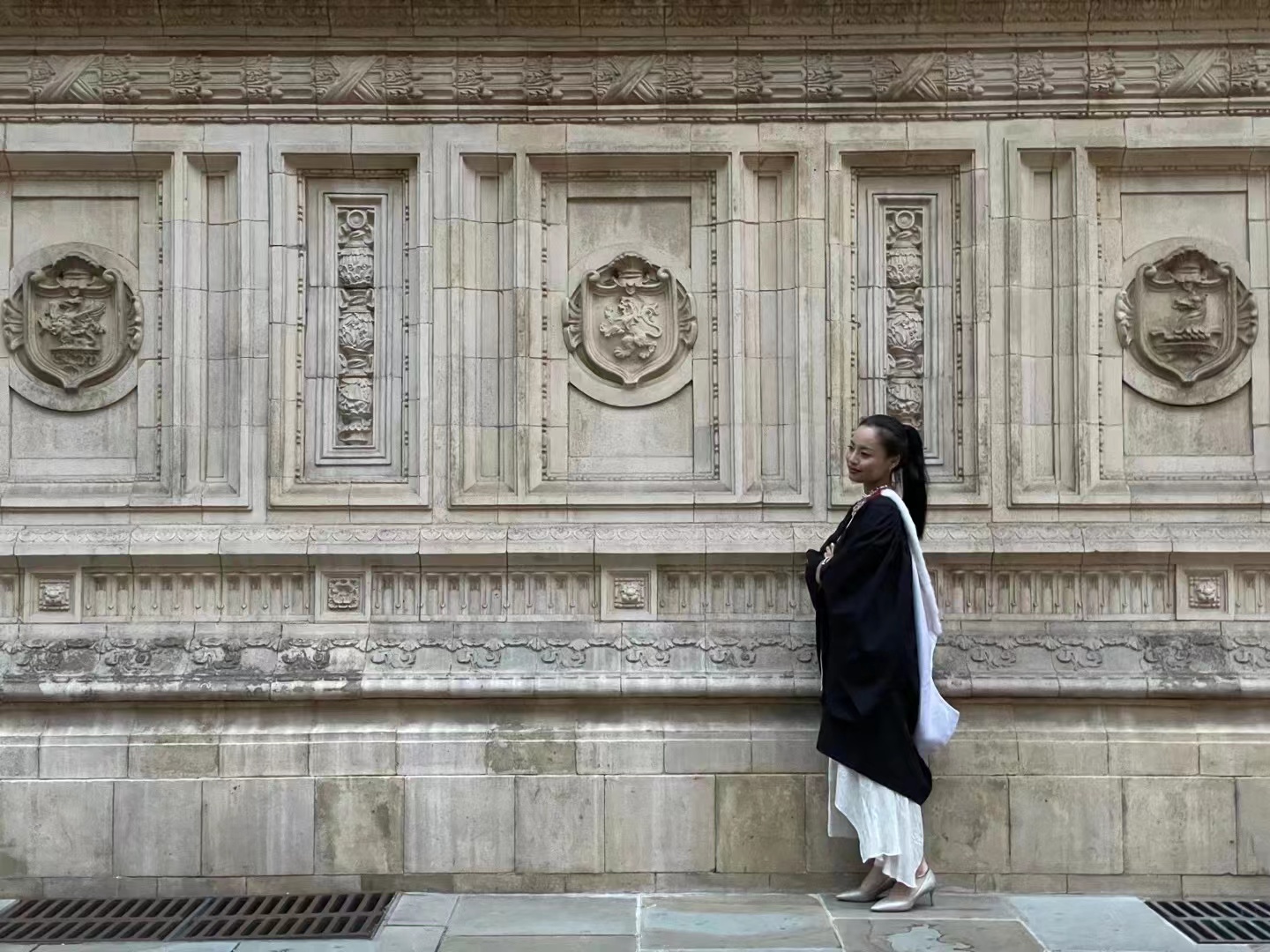
In Harriet’s third year at SOAS, she began to feel anxious about her future, “As my flatmate was studying East Asian Contemporary Art, I suddenly had this crazy idea to study curating for postgraduate.” When she applied, she didn’t dare to tell her family. Without the financial support, she did not have the money to hire an agency, so she had to DIY her application by carefully studying RCA’s admission requirements and the interviewer’s information. Luckily, the interviewer was interested in her undergraduate research, which won her a place at RCA.
“I don’t think the Chinese translation of curation is accurate. It is more than just designing and managing exhibitions, and I also hope that readers will be interested in exploring a little bit on ‘the curatorial’,” Harriet told us.

When she searched for graduate courses, Curating Contemporary Art caught her eye, with its teaching methodology, course description and reading list. She believed that this course could help her advance academically in anthropology, which she would never give up on learning. Although this course sounds very “artistic”, she had a lot of autonomy in designing her research. It only took a little extra time to self-study art history and fundamental theories to catch up on others.
Future Plan
Harriet said she did too many projects in 2021. Now she needs to think about what to do to be more realistic. Although many projects were of good significance, there were too many unnecessary wastes in execution, and she sometimes doubted why she was doing it.
She has many long-term goals. For example, she would like to develop, collect, publish, curate public relations, and invest in cultural projects. So, her short-term plan is to make money to support what she wants to do. “Does it sound vulgar and realistic? I just graduated from university, and anxiety doesn’t help me go anywhere. It is best to work steadily every day. If I don’t waste my time and improve myself consistently, opportunities will come by themselves. “
Harriet's Advice
“First of all, feel grateful for your parents.
Second, if you know you can't do something, don't do it! Spend your time and energy on things you enjoy. If you want to study a subject at university, research it, and try to understand the different forms of content and structure from its providers.
Third, stay open-minded and always look for opportunities by acting. The hobbies and interests you have also misunderstood shape who you are as a person.
Fourth, use your time wisely every day, and self-management is the key. Instead of dilly dallying on the internet, why not read a book, take a programming course, or meditate, which will help recharge your energy.
Lastly, live a balanced life and get enough sleep.”