Boarding at DHSZ: Built Around Your Child

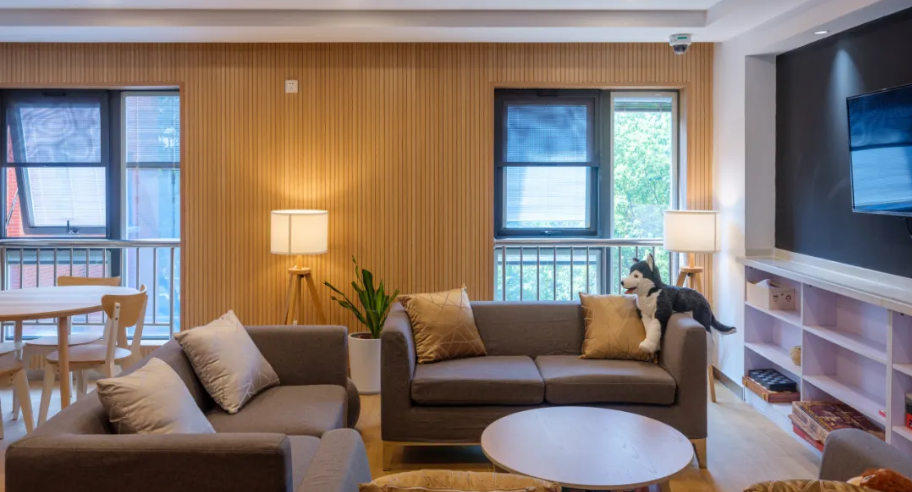
Around seven in the morning, the boarding house at Dulwich International High School Programme Suzhou begins to stir.
As registration begins, floor mentors are already greeting students in the corridors. For many boarders, they are the first people they see each morning and often the first people they turn to when they need support, whether academically, socially, or emotionally. Some still carry a slightly sleepy expression, while others are already talking energetically about the day's lessons.
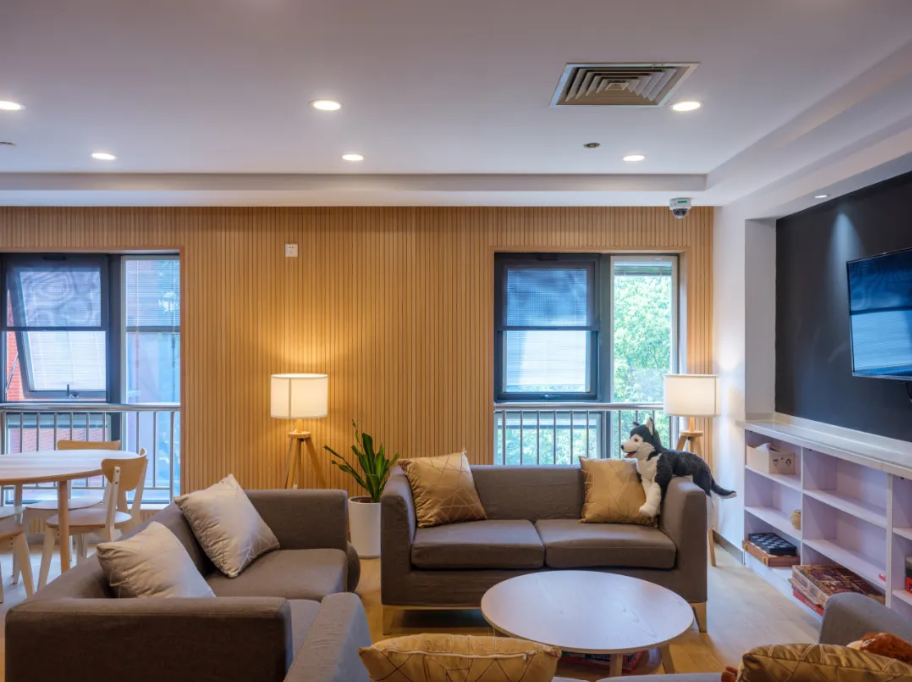
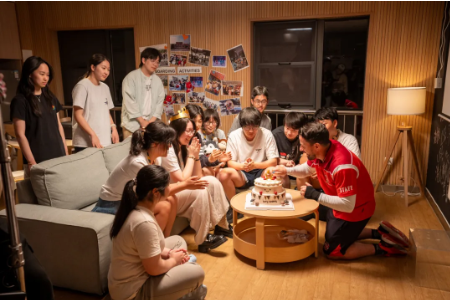
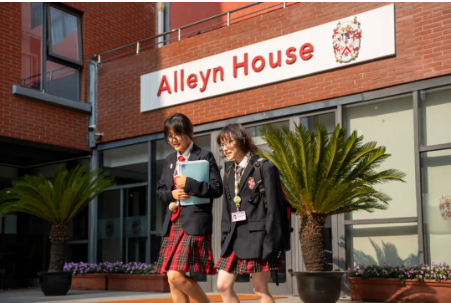
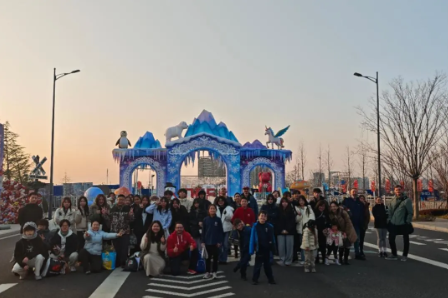
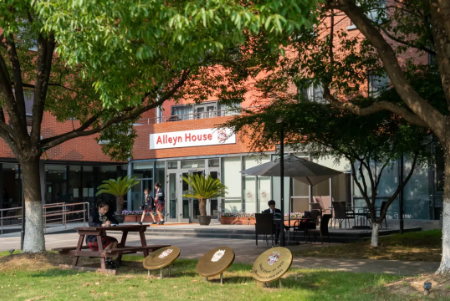
For termly boarder Jerry, this is a familiar daily routine. During term time, Alleyn House becomes a second home, with weekends spent alongside friends and boarding parents through activities and community events.
As a weekly boarder, Maggie spends weekdays at school and returns home at weekends. This routine has made her more intentional about how she plans her time and organises her week.
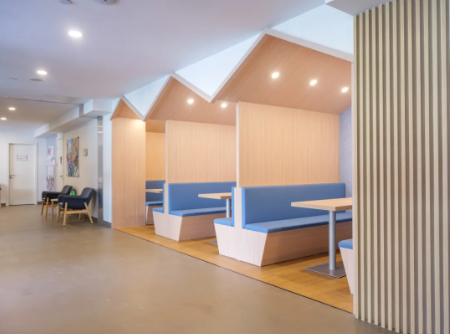
Although their boarding arrangements differ, both students have come to see boarding as much more than a dormitory. It is where friendships deepen, independence grows and life beyond the classroom begins.
Structure, Routine, and Room to Breathe
Before lessons begin, breakfast is one of the busiest times of the day. The serving counters are filled with a wide range of options. Some students take their time deciding, while others take a brief moment to talk with friends. What appears to be an ordinary daily routine forms a distinctive boarding rhythm: regular, steady and naturally connecting people.
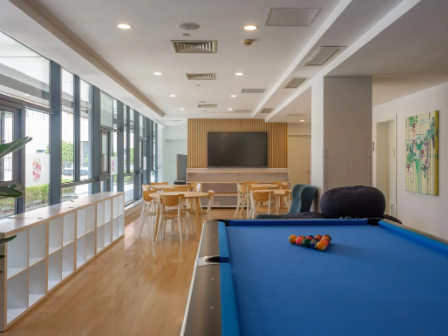
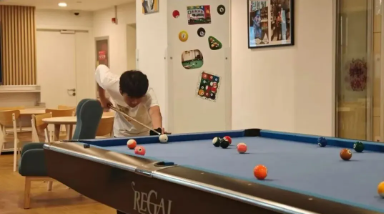
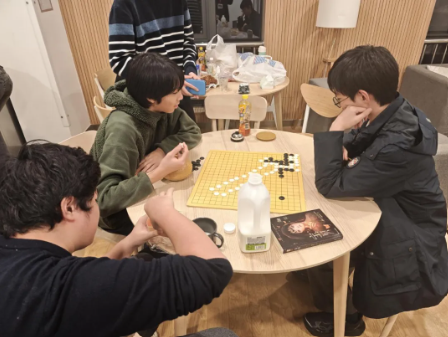
This sense of connection becomes even clearer after lessons end. Back at the boarding house, the common room is a preferred gathering space. Some students play pool, while others gather around board games, catching up with friends and sharing stories from the day.
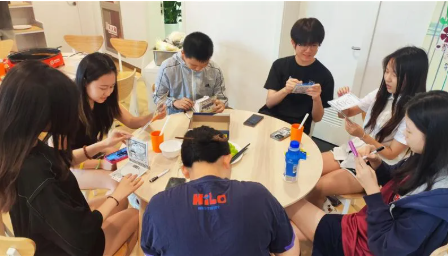
For Maggie, device-free time is one of the most meaningful parts of boarding life. Without phones or laptops, conversations happen more naturally. Students talk, study in groups or simply spend time in shared spaces, and in these more relaxed moments, they reset and prepare for the following day.
This arrangement is not simply about 'managing electronic devices'. More importantly, it helps students build the ability to find balance beyond academic pressure, adjust their pace, and develop healthy daily habits.
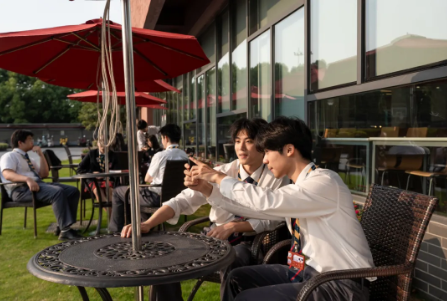
In the boarding life of Dulwich International High School Programme Suzhou, independence rarely appears as a sudden change. It is built through many small decisions: when to rest, how to organise one's independent study time, how to live in a shared environment, and how to understand and respect others.
Throughout this, boarding mentors and parents are always present. They do not take over decision making for students, but they are there when needed, offering guidance, reminders and support as students learn to manage things on their own.
Evening Study and Academic Support
Maggie and Jerry both study Art, they often choose to spend optional study hall in the art classrooms. With portfolio work requiring time, experimentation and regular feedback, these sessions provide dedicated space to continue developing creative projects beyond the school day. Questions not fully resolved in lessons can all be worked on during this time, with teachers available for guidance whenever needed.
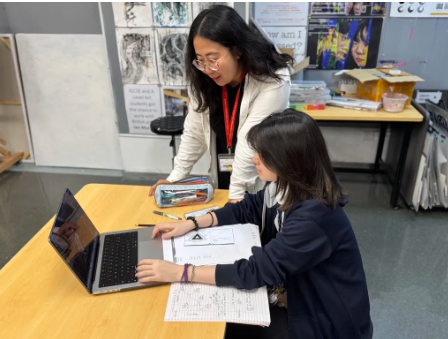
From Jerry's perspective, what he values most is that this support does not end when the school bell rings. Teachers focus both on academic outcomes and on areas where students show genuine interest and commitment, whether that is art, academic research, EPQ projects or other personal interests.
For Maggie, the art room in the evening feels like a space where ideas can continue without interruption. A portfolio takes time and often many revisions. During optional study time, she continues to refine her ideas, making progress through ongoing adjustment. Rather than completing a task, it feels like a space where interest and motivation can be sustained over time.
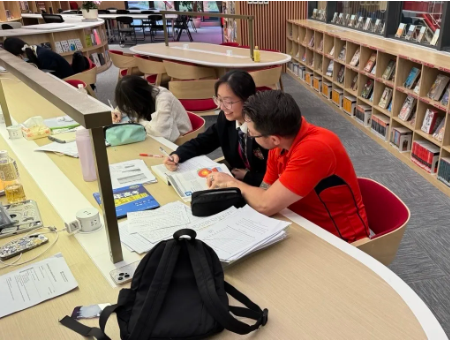
Held under the supervision of boarding tutors, study hall provides a quiet and focused environment where students can develop both academic discipline and interdependent study habits. Unlike the shared pace of classroom teaching, each student works at their own rhythm. Boarding staff remain nearby, ready to support when needed, while learning responsibility stays with the students. Some review content, some organise notes, and others focus on longer-term projects.
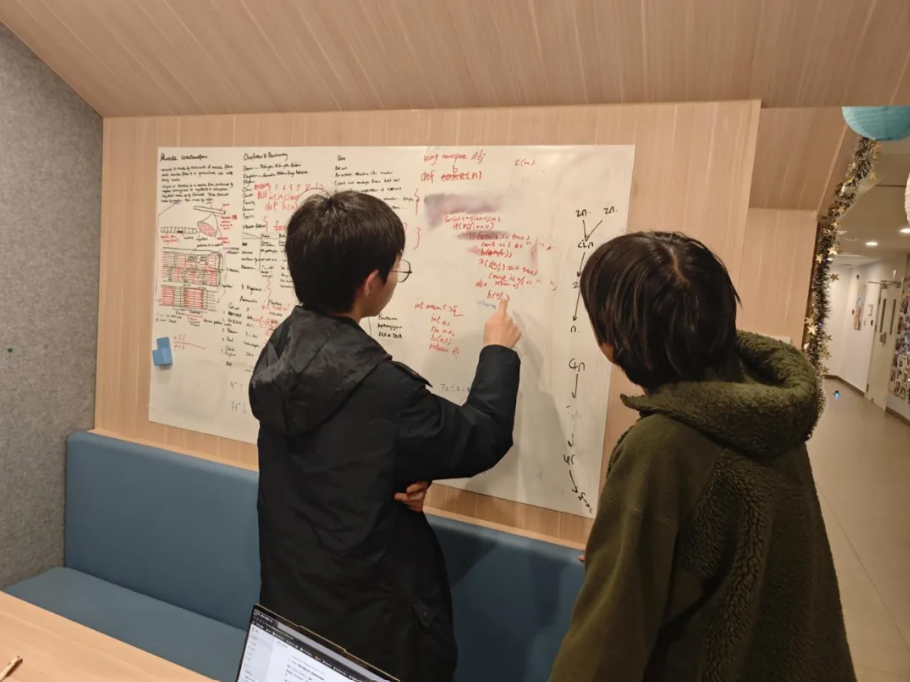
Over time, this routine builds more than academic progress. It develops time management, independence and the ability to stay focused over longer periods.
Community Life in Boarding
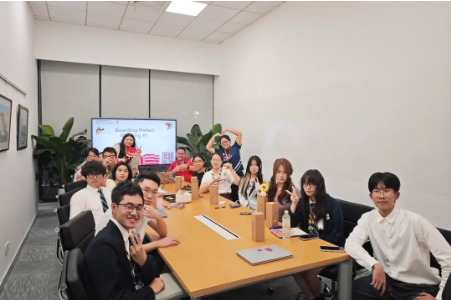
Dinner time perhaps best reflects the community aspect of boarding life. Students and boarding staff share meals together, creating opportunities for informal conversations that often continue beyond the classroom. For many boarders, dinner is one of the few times each day when the entire community comes together. Although students follow different timetables and routines, they all gather at this point in the day. Students from different year groups and programmes, along with boarding mentors and parents, sit at long tables, sharing food and sharing their experiences of the day. The atmosphere carries a sense of home and belonging.

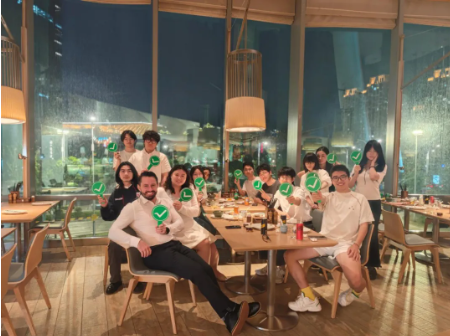
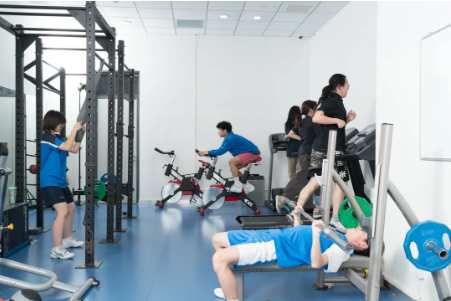
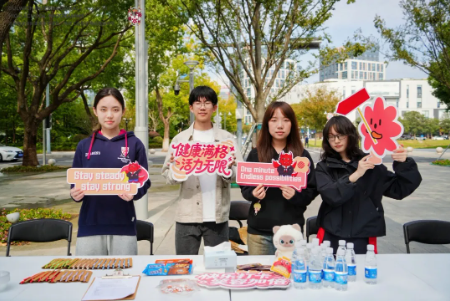
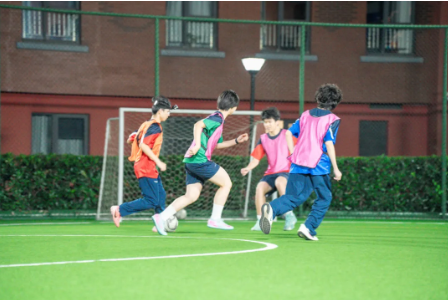
This connection continues into the evening free activity period, when the gym, the astro turf, the basketball courts, and shared spaces become active again. Maggie and Jerry sometimes play badminton together. On the badminton court, there is no distinction between year groups or boarding types, only teammates and respectful opponents. Some students take part in sports, some play board games and others join floor activities. From Jerry's perspective, boarding activities are far more varied than many people expect: sport, music, board games… students of different interests and personalities all find their place.
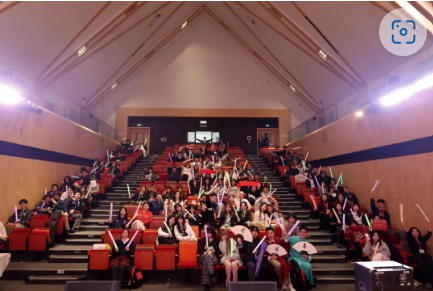
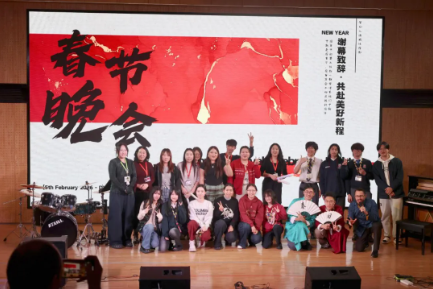
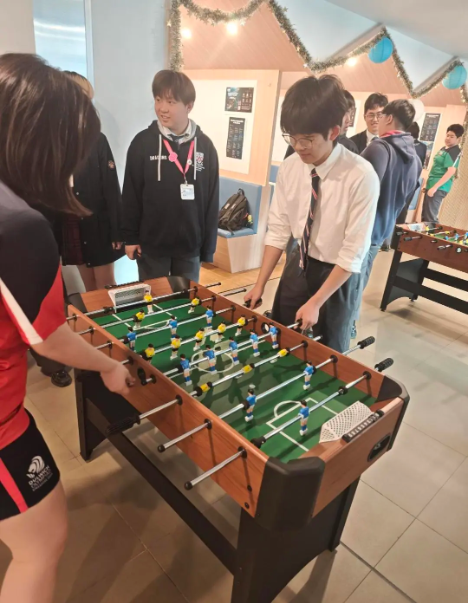
In this shared environment, students learn how to make friends.
"You learn how to interact with people whose personalities, daily routines and habits are different from your own. Over time, you naturally become more able to communicate, show consideration and understand others."
- Maggie


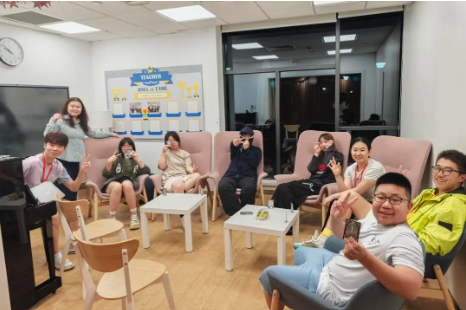
They also learn how to listen, to consider group needs and become reliable peers.
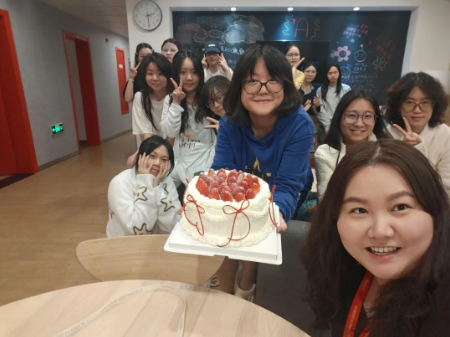
This awareness of others is also embedded into the physical spaces in the boarding house. Another feature of Alleyn House is the Emotion Wall. Students can regularly check in with their feelings, helping boarding staff gain a better understanding of student wellbeing. It serves as a simple but meaningful reminder that pastoral care is woven into daily life.
Here, holistic education is part of the everyday experience.

Learning to Stand on Your Own, Together
At Dulwich International High School Programme Suzhou, boarding is more than a bed or a place to study. It is part of the environment where students develop over time, academically, socially, and personally. A structured rhythm does not mean restriction, and freedom does not mean absence of guidance. Every morning registration, every shared meal, every focused study session quietly builds a sense of order and warmth.
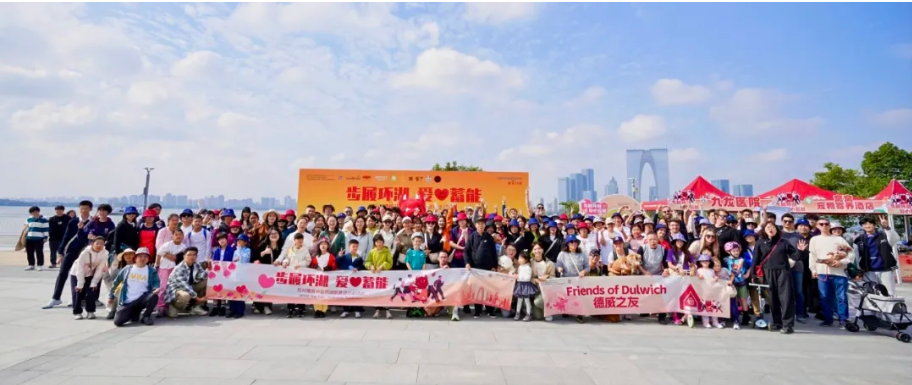
Day by day, students grow in confidence, independence, resilience and a sense of where they belong. For Maggie and Jerry, boarding is not defined by a timetable or a building. It is the friendships formed over breakfast, the encouragement from their Mentors, the conversation during device-free time, and the confidence built through everyday responsibilities. Long before students leave for university, boarding helps them develop the independence, resilience, and sense of belonging that will stay with them for years to come.
To learn more about boarding at Dulwich International High School Programme Suzhou, or to submit an expression of interest for the coming academic year, please scan the QR code below.

Our boarding team is ready to answer any questions you may have: