Engineering Offers Stories Shared by Chris & Henry


For this edition of our ‘Story behind offers’ series, we spoke to Chris X and Henry Q, who have chosen to study engineering, one in the UK to study architectural design and one in the US to study computer engineering. During our conversation, we found that despite their different career paths, they both have ideas and plans for their futures, and both decided on their majors and schools based on their interests and long-term goals. Also, they both shared many unique growing experiences, so let's take a look!
Both Received Multiple Offers
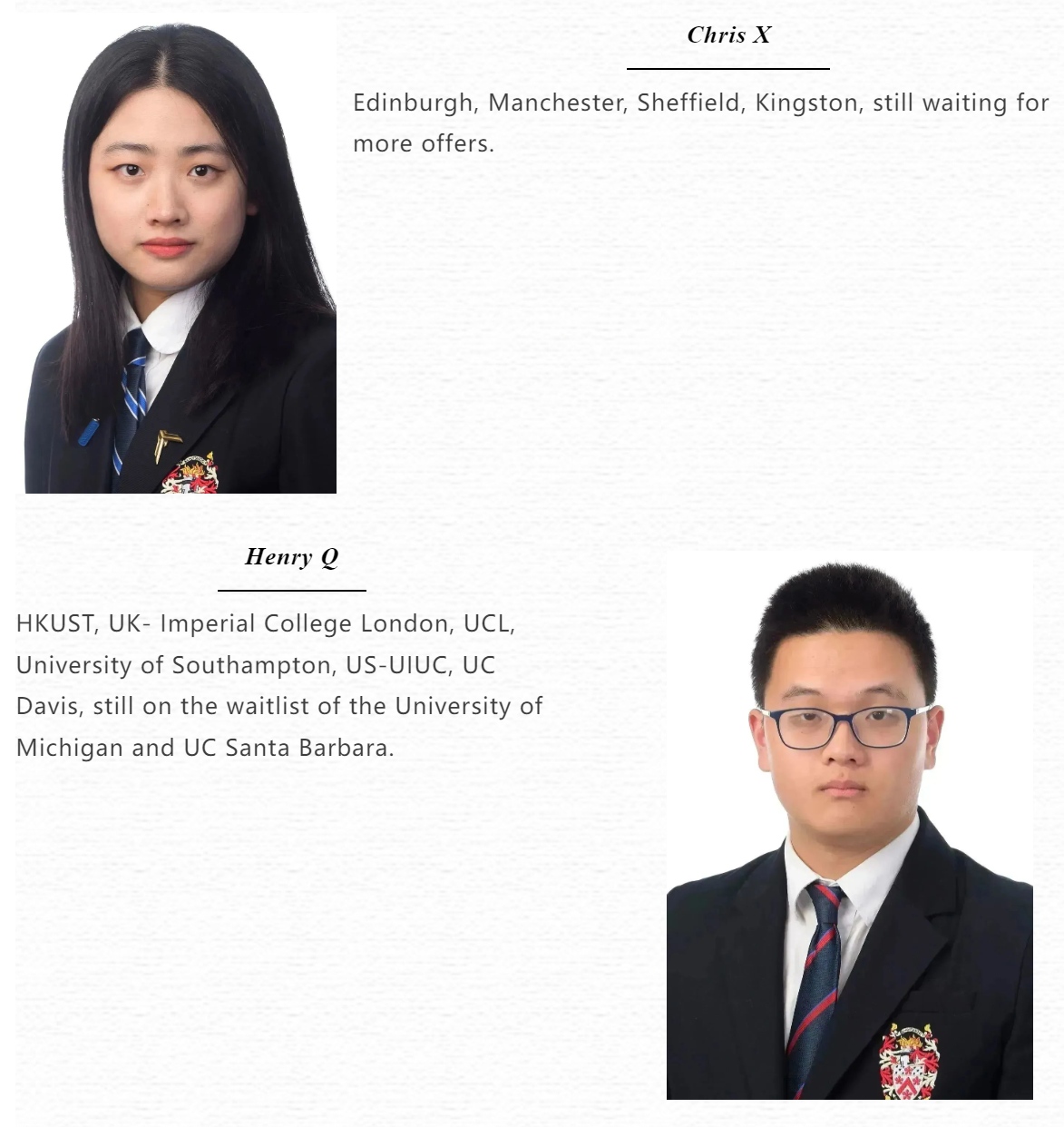

Guiding Your Future with Interests and Long-Term Goals
Choosing a university major can be a daunting task, but when you have a clear understanding of your interests and goals, it becomes much easier and feels effortless.
Chris has been interested in art from childhood and wants to study a major related to art. She found that she was particularly skilled in spatial and design abilities, so she considered three majors: sculpture, architectural design, and jewelry design. Because she is very interested in the restoration of ancient architecture and wants to study this field as master major, she ultimately chose architecture design as her undergraduate major.
"The reason why I want to study architectural restoration is because I was interested in historical relics and their artistic styles since I was a child, and after doing a lot of research, I found that on one hand, the lines and structures of buildings are very interesting, and on the other hand, those ancient buildings have their own history and stories, and each country and region has different styles."
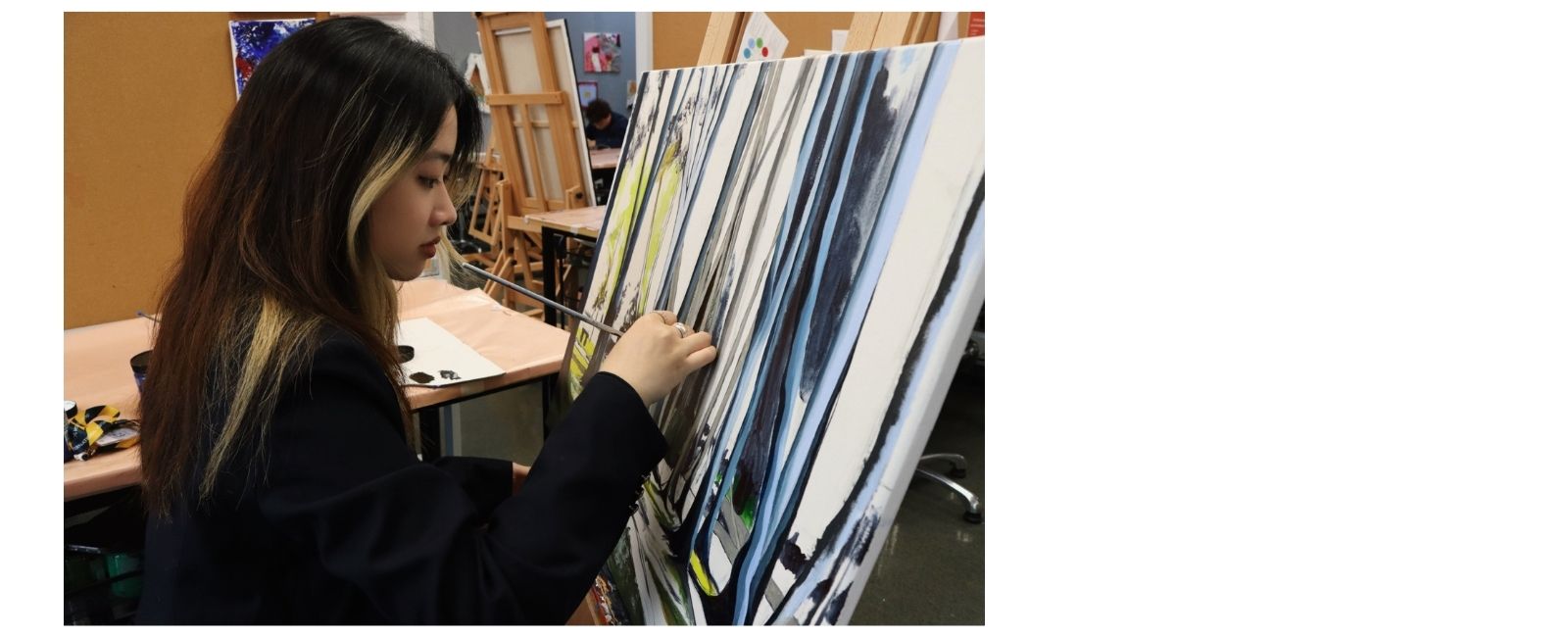
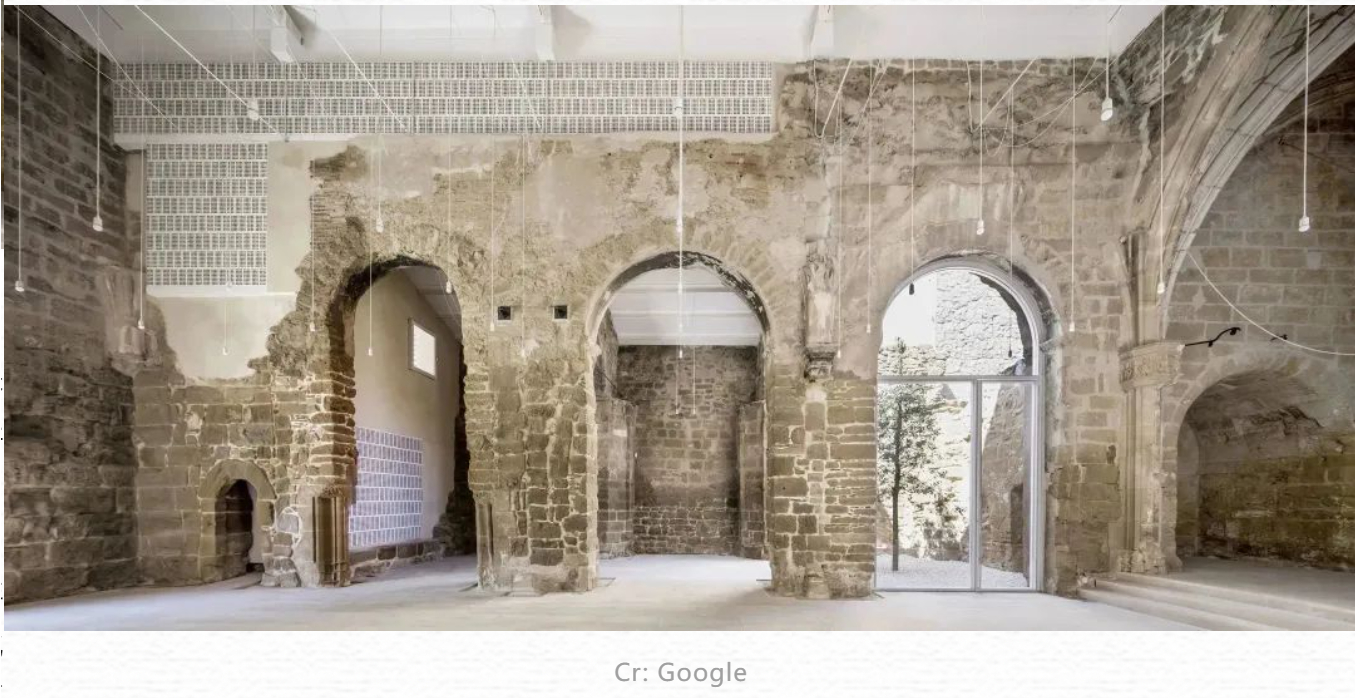
When introducing the major of "architectural restoration", Chris confidently stated, "This major requires both artistic design skills and scientific thinking. You need to calculate how to build more sturdy structures while considering various humanistic issues, such as the local overall environment, the style of the city, and various economic and comprehensive issues." In her opinion, the difficulty of building restoration lies in not destroying the original materials and shapes of the building. It is necessary to make it more in line with its original texture and not let it deform, "making it look old, but actually very sturdy". In addition, this field actually includes many different disciplines. "In addition to artistic and scientific thinking, you also need to have knowledge of chemistry, because you may need to restore materials."
Chris believes that pursuing a career that she is passionate about is crucial for maintaining enthusiasm and perseverance. "I think if you are not interested in your career, you cannot persist. So you must choose a career that you like, so that you have the passion to do it well."
Like Chris, Henry's interest in computers started from a young age. He tried various programming languages and also experimented with building integrated circuits, such as Arduino. When he was in Y11 and preparing for his future plans, although his father believed that studying math or finance-related majors would have better employment prospects, Henry knew clearly that these majors were not what he was interested in, even though he was capable of excelling in them.
We were curious why Henry rejected the offer from Imperial College London and chose UIUC instead. His answer revealed that this young man had a long-term plan. "There were two reasons why I rejected Imperial College London and chose to go to the United States. First, IC didn't have many specialized majors. It only had a broad engineering program or computer science. However, I personally don't like CS. I want to study hardware, so I applied for computer engineering in the US. In fact, the semiconductor industry is more concentrated in the US, and UIUC's CE major is ranked fifth in the US. So I think going to UIUC is a better choice for me, both in terms of major and future career prospects."
Henry also explained that there are different classifications within computer science, including CS software engineering (programming) and EE (electrical engineering). "The reason why I insisted on choosing computer engineering is that it combines both circuitry and programming. It is actually the underlying logic of computer operations." He believes that this major can bring better career development in the long run because hardware is a necessary part of technological development and the demand for hardware performance will only continue to increase with time. Therefore, Henry's determination comes from his own interests and also from seeing the broader development space in the technology industry.
Chasing Dreams: The Tireless Pursuit of Opportunities
We often hear about the importance of pursuing our passions. However, it can be challenging to know where to start, especially when we have little professional experience in the fields that interest us. Chris and Henry also shared their stories about how they explored different opportunities and gain practical experience to approach their dreams.
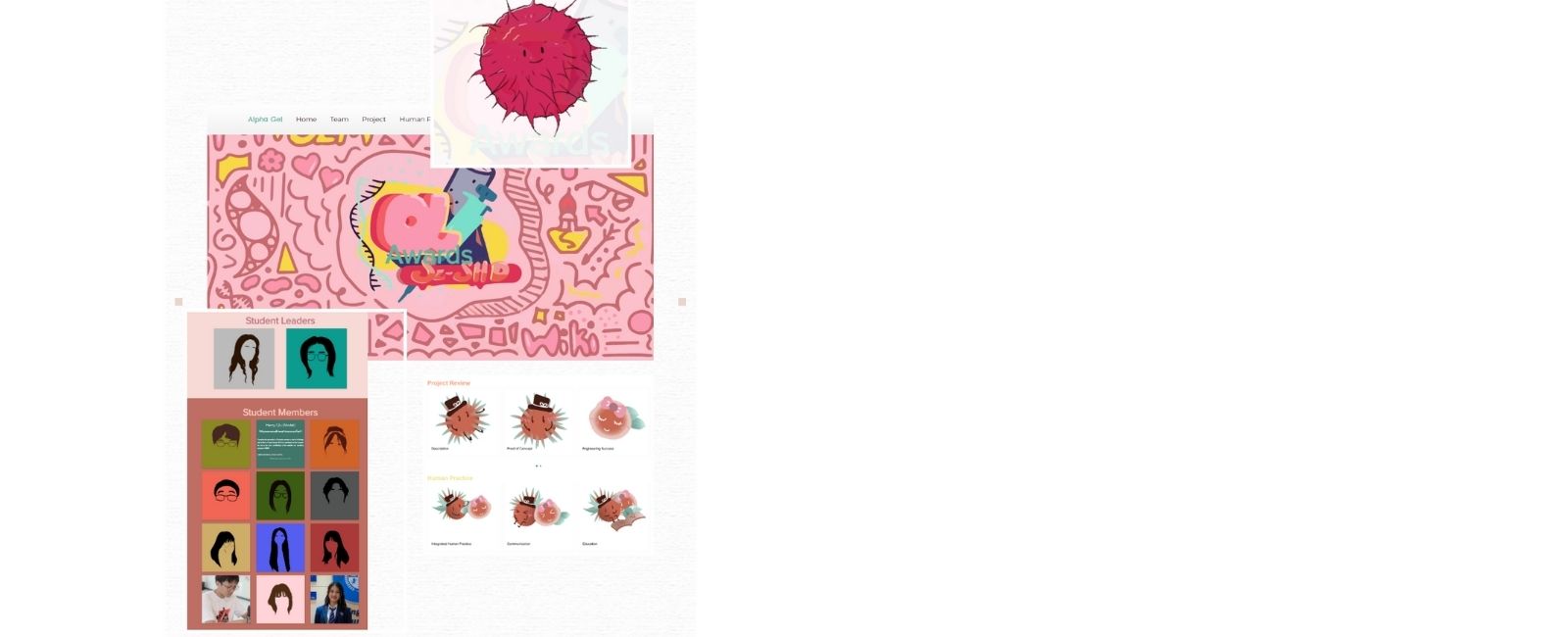
Henry told us that his time at DHSZ allowed him to explore a variety of things. One experience that stood out to him was his participation in the iGEM competition, where he worked on a bio-monitoring project and created a website for the school team. In the end, they achieved second place in the competition, and his website was nominated for an award. "Overall, I think it was a great opportunity to experience bio-modeling and website building," he said. In addition, Henry mentioned that the school also has Arduino and physics-related CCAs that give students a basic understanding of microprocessors, sensors, and so on.
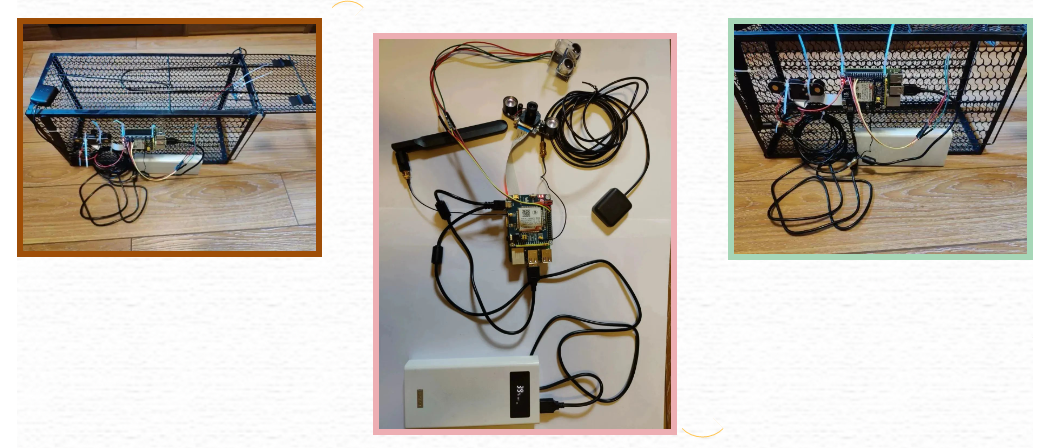
Outside of school, Henry has also pursued many explorations, including combining his computer engineering practice with his love for caring for animals. During his EPQ(Extended Project Qualification) in Y12, he noticed that his father was feeding stray cats and came up with the idea to design a smart cat flap that could be used in residential areas. "I applied a fully automated system to the cat cage and built a corresponding website. When a kitten enters the cage, the microprocessor automatically takes a picture, records GPS location and time, uploads it to the server, and automatically sends an email notification," he explained. This project was successful, and Henry received an A* for his EPQ.
Chris, after setting her sights on architecture and design, started looking for practical opportunities to learn more. She interned at an indoor decoration company, where she worked on a curating project. She also visited an ancient building restoration project in Hangzhou and spoke with designers to learn more about the field. Chris kept an eye out for old buildings to observe their restoration techniques and read books on architecture and design. She even joined a model club CCA at school to gain hands-on experience and joined the props team for ‘Shrek the Musical’, which has greatly improved her hands-on skills.
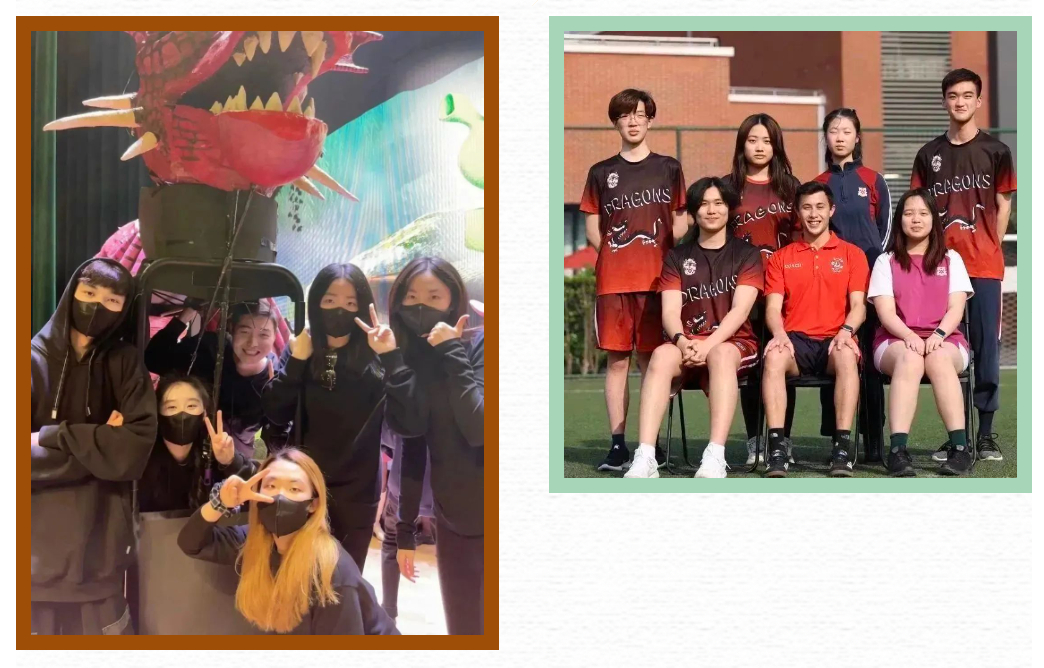
Besides actively participating in the relevant CCAs and extracurricular activities provided by the school to enhance their skills, both students emphasized the importance of self-exploration and learning in pursuing their interests. Chris believes that studying at DHSZ allows her to play to her strengths and avoid weaknesses, enabling her to have more flexibility in course selection and study schedule, which is very beneficial for goal-oriented students like herself. Henry also stated that with a lot of available learning time and space, he has more time and energy to research his own projects. Cultivating this self-directed learning ability can help them adapt well to studying at universities.
#BestFit: Why Choosing the Right School is Key to Success
Chris and Henry also shared the key step that helped them move towards their goals - choosing a school and applying to universities, as well as the support provided by the school's counselling team during this process. We see in them a commonality when it comes to choosing a university - choosing the one that is most suitable for oneself.
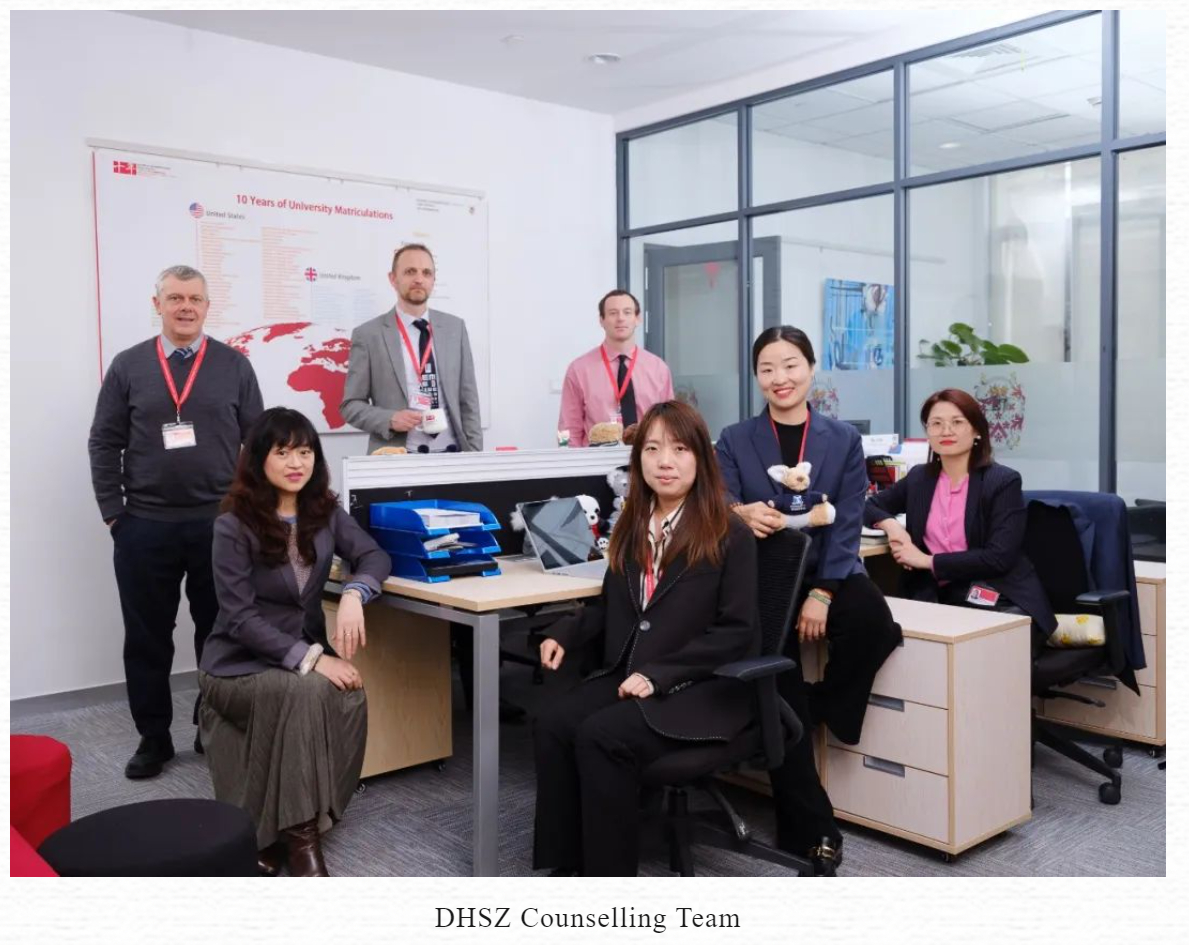
Chris told us that in her discussions with her counsellor Mr Mark Coyle, and with the professional advice and analysis given by him, she was able to decide on the university she ultimately wanted to apply. She first researched the teaching background of each country, "such as their curriculum system, teaching style, and presentation style of art works. I found that I actually liked the style of works presented in the US universities, but their undergraduate architecture program is more focused on science. Compared to the professional courses in the UK which can serve as a foundation for later restoration of ancient buildings, I think UK is more suitable for me." Following this line of thinking, she then researched the level of schools and their architecture programs and selected her list of preferred universities.
Both Chris and Henry emphasised the importance of finding a university with a teaching style that suits one's own learning style and suggested communicating more with counsellors during the process to obtain more professional guidance. Henry stated his counsellor Mr Jack Rau was very helpful in answering questions and guiding him through the application process, "whenever I had any questions, Mr Rau would reply promptly and in detail, and he was always aware of the submission deadlines for different schools and would remind me in a timely manner."
Advice for Lower School Students
Frome Chris
Chris gave two pieces of advice to lower school students. "The first piece of advice is that if you want to study a major that requires a portfolio, you should start preparing early so that you have more time to pay attention to details. If you rush, the topic may not be as interesting, and your work may not be as refined. Additionally, practicing art is important, and you should admire and understand others' works, including those of famous artists and architects, to improve your aesthetics, find the style you like, and then focus on developing it. The second piece of advice is about choosing a university. When you look at the requirements on the official website, don't just look at the minimum requirements, because the actual admission standards may be higher, so you should demand more from yourself. Additionally, if you have a dream university in mind, you can try applying for multiple majors."
From Henry
For students studying engineering, Henry suggests, "During high school, you should work on at least one good project. These not only develop your abilities but can also be talked about in your personal statements and interviews. Sometimes, universities don't just look at your academic achievements, but also at whether you can lead a project on your own. For example, during my interview at IC, the interviewer asked me about the details of the project mentioned in my essay."
Henry is looking forward to further developing his skills at this top professional university and making meaningful contributions to the field of technology in the future. Chris told us that she also has a dream of experiencing local architectural styles and cultures in different countries and designing a unique building after reflection and contemplation.
Let's wish the future "architect" and "computer engineer" success in their respective fields!