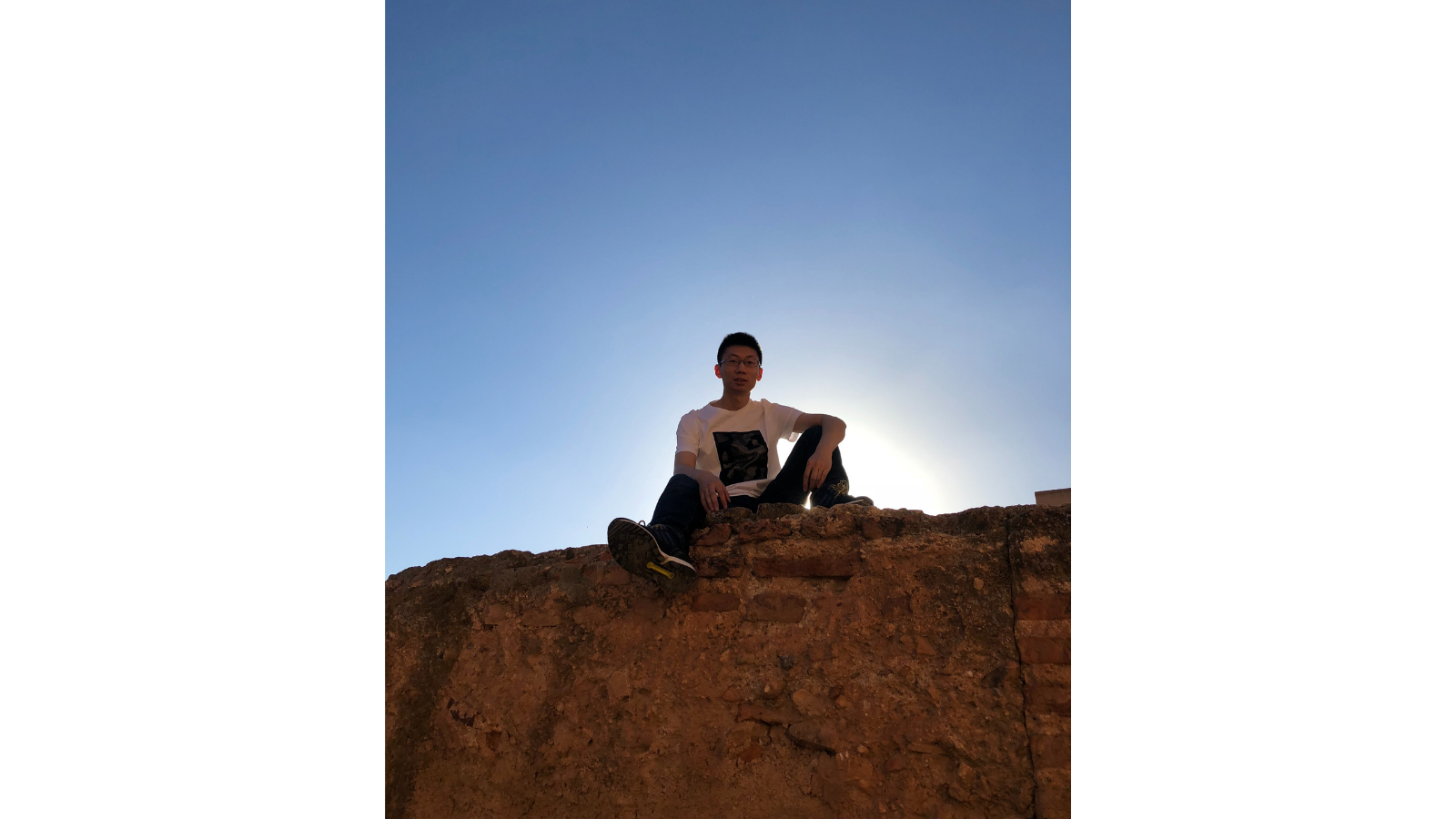
Howard Huang from Financer to Engineer

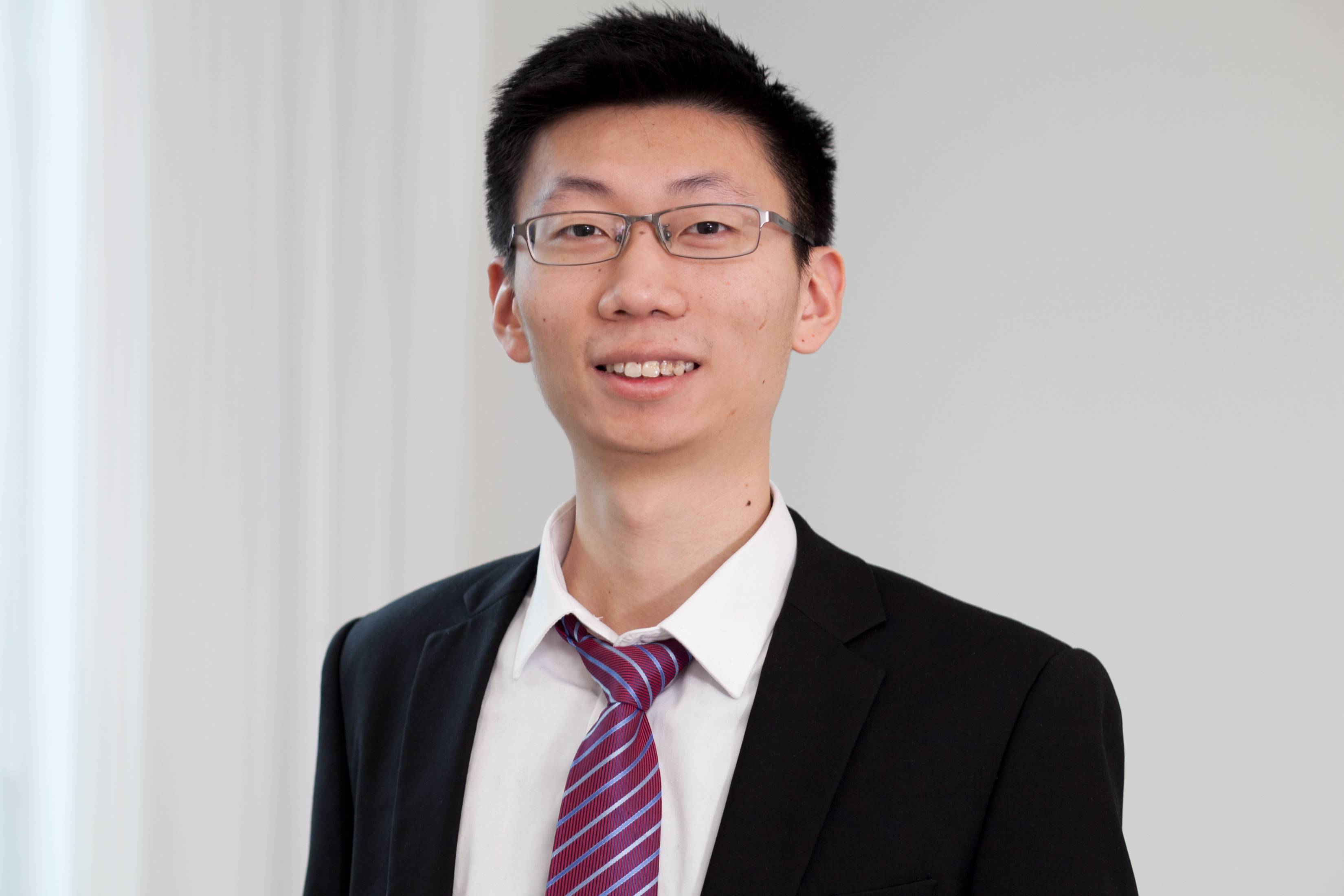
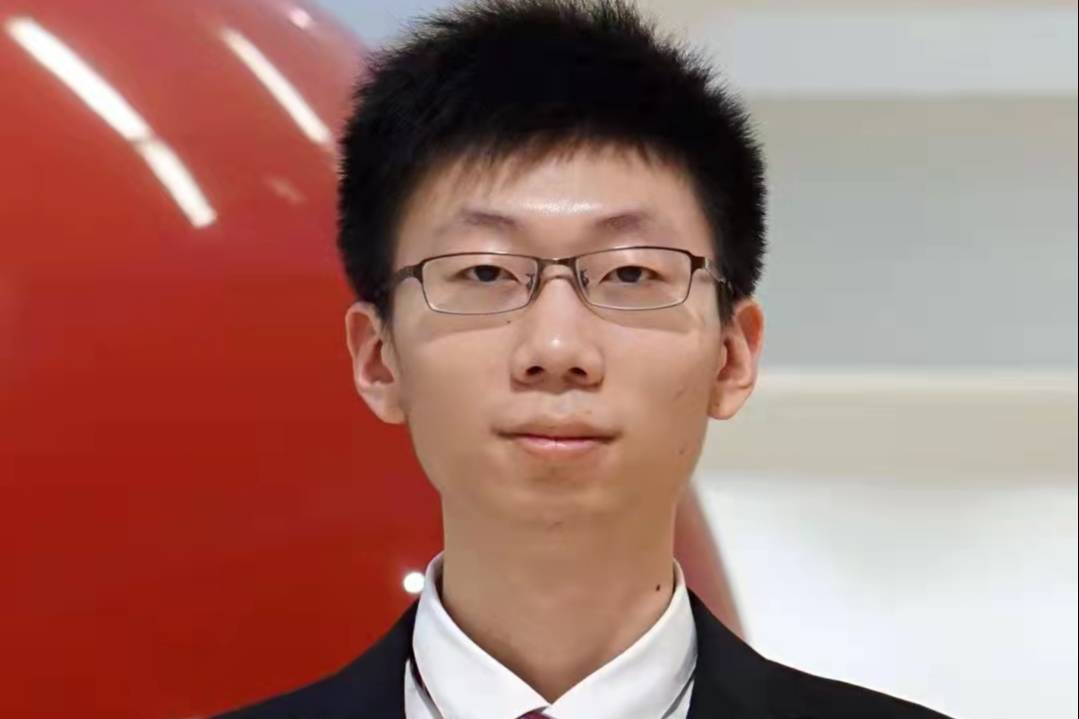
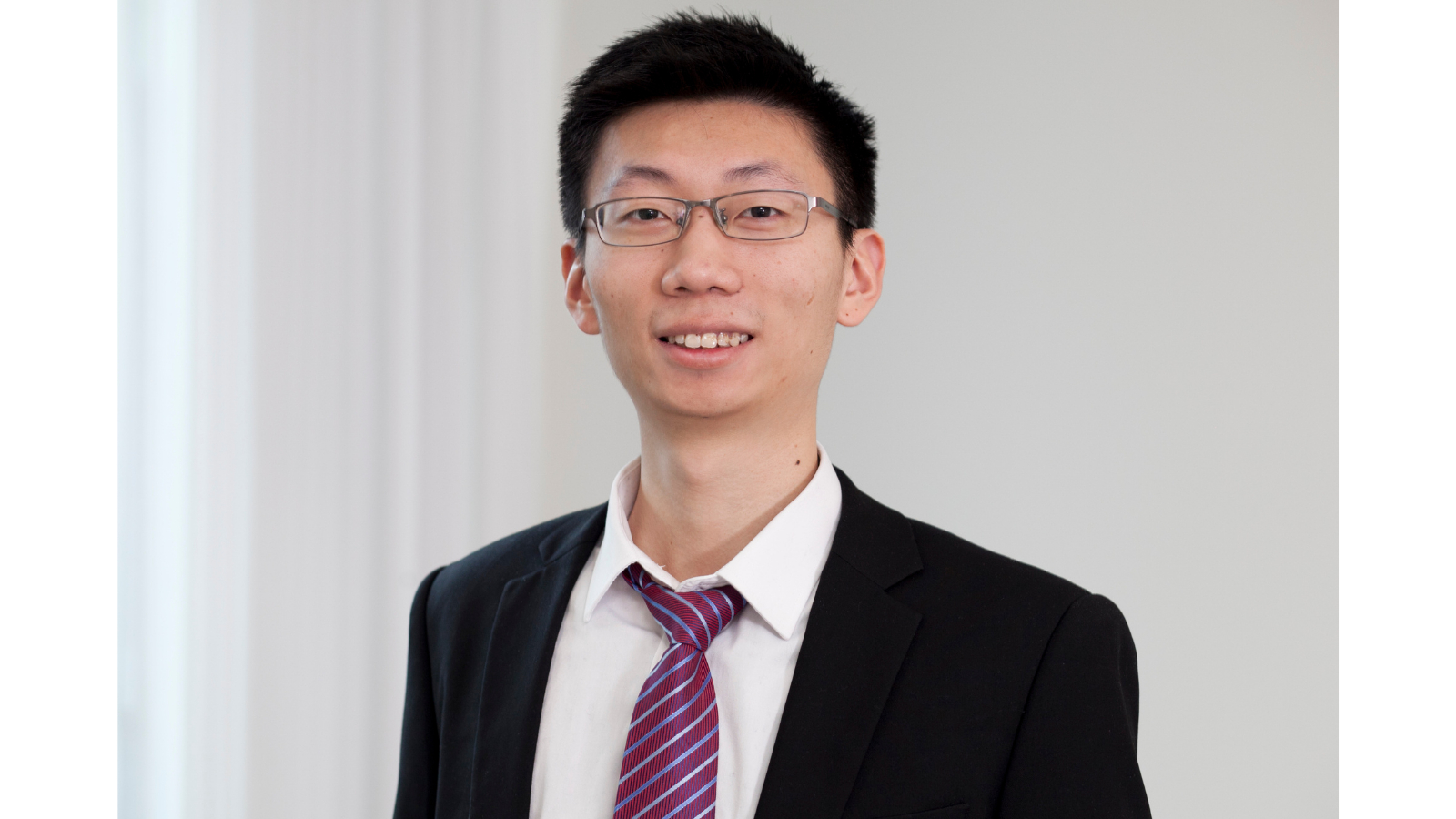
Howard Huang graduated with a BSc degree in Statistics and Finance from LSE. He is a Data Engineer in the Forensic Services department at PwC London. His responsibilities include low-level code development, such as designing, developing and testing web applications for various usages in low-code development platforms, such as Mendix and PowerApps, application wireframing, front-end development, database design, cloud architecture and workflow implements.
He also works voluntarily at a non-profit organisation, Bridges for Enterprise, as a Software Development Manager in his free time. BfE is run by a global community of purpose-driven professionals and students. They collaborate alongside a growing network of over 200 professional mentors who provide strategic guidance to chapter teams and assistance to startups.
"We see a more inclusive and sustainable future built by social entrepreneurs driving local change. Moreover, we learn from each other and grow professionally together, which is the core value of the computer technology industry. Though I don’t get paid to do this job, I appreciate the opportunity to work with and learn from top professionals from different sectors."
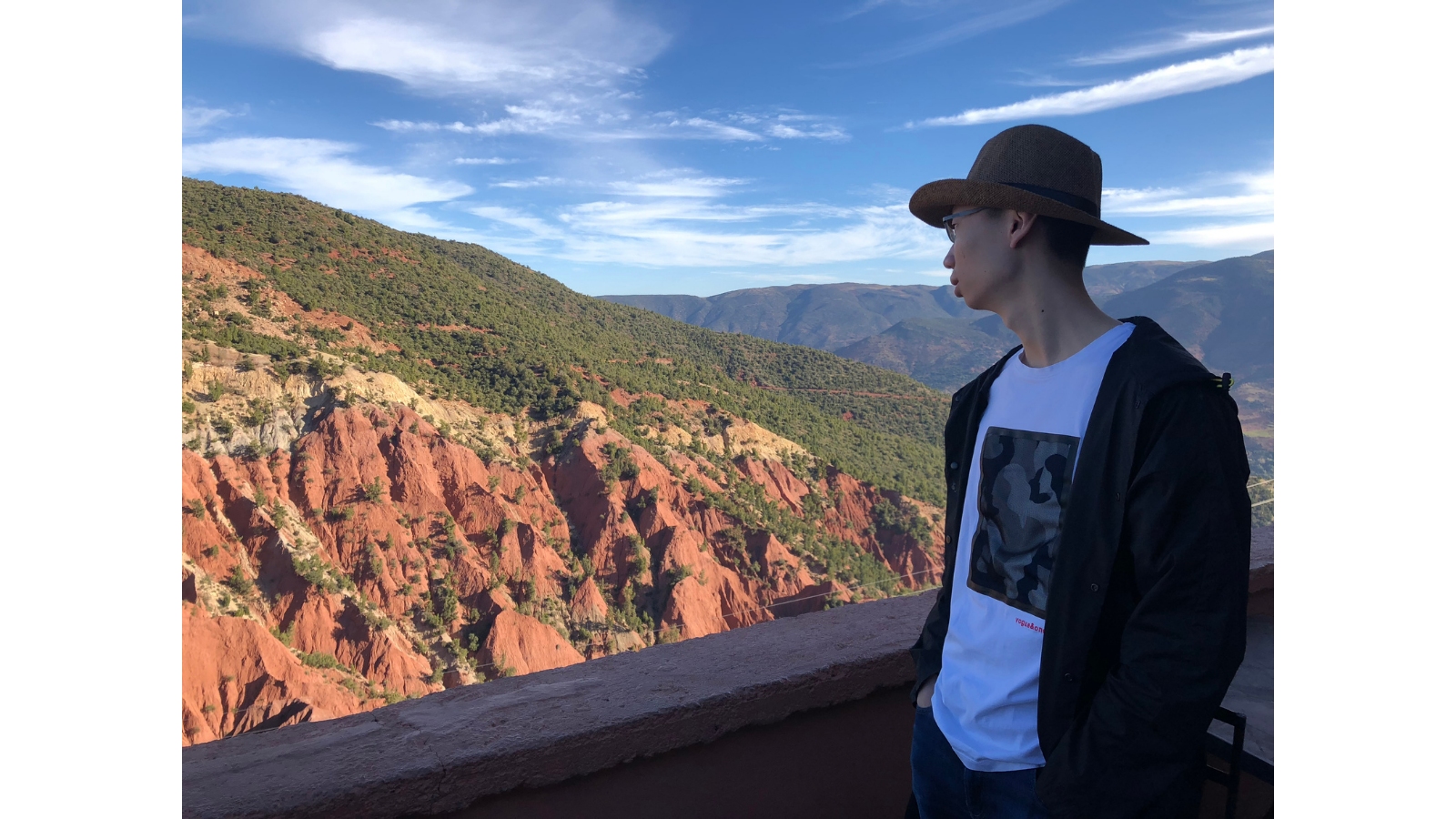
Howard was majoring in finance in the university, but after learning more about finance and the industry through school studies and internships, he had a strong feeling that working in the finance industry didn’t fit well with his personality and interests. Starting from the 2nd year at LSE, he spent most of his spare time learning computing skills. Working in the technology field allows him to stay focused and open-minded. With less interpersonal communication and more like-minded colleagues, he enjoys his job very much.
Howard also shares an interesting experience, “A few years ago, when I walked past a hotel in London, a doorman stopped me and asked if I could help him with his statistics paper. He studied sports management at university a long time ago and became a private coach. Later in life, he discovered an interest in psychology and started his PhD studies in psychology in his sixties. Deeply touched by his motivation and persistence, I agreed to help review his essay and give feedback. We have become friends and have kept in touch till now.”
Dulwich Life
There were many aspects that he had not realised were beneficial until he graduated from DHSZ. For example, his college counsellor kept addressing the importance of researching universities and their curriculum and student life. It is more important to find a “good fit” university than get into a highly ranked university. A high ranking doesn’t mean everything, and especially if the university isn’t a good fit for you and would not teach everything you need at work and in life.
He also remembers what the former Director, Ms Karen Moffat, who said that; “eventually you would be interested in what you are good at or become an expert in what you enjoy doing.” Along the journey of seeking what you like and are good at, you should take actions and carry out your plans regardless of obstacles, discomfort, or difficulties.
"Do not compare yourself with others. If you are making some progress every day, that’s good enough for you," he said.
While in high school, Howard participated in various extra-curricular activities, the World Scholars Cup debate competitions was his favourite. While preparing for the competitions, he needed to read widely on art, architecture, politics and humanities. He practised debating regularly, which helped develop his critical thinking and public speaking skills. Reading has also made him an open-minded and inclusive person who likes to embrace different cultures and make new friends while studying and working in the UK.
Howard has attended four Dulwich alumni events, for him it was great to meet some old friends and refresh their memories together. “As a member of the Dulwich family, attending alumni events and visiting the school campus gives me a sense of belonging. I hope that DHSZ will be even better.”
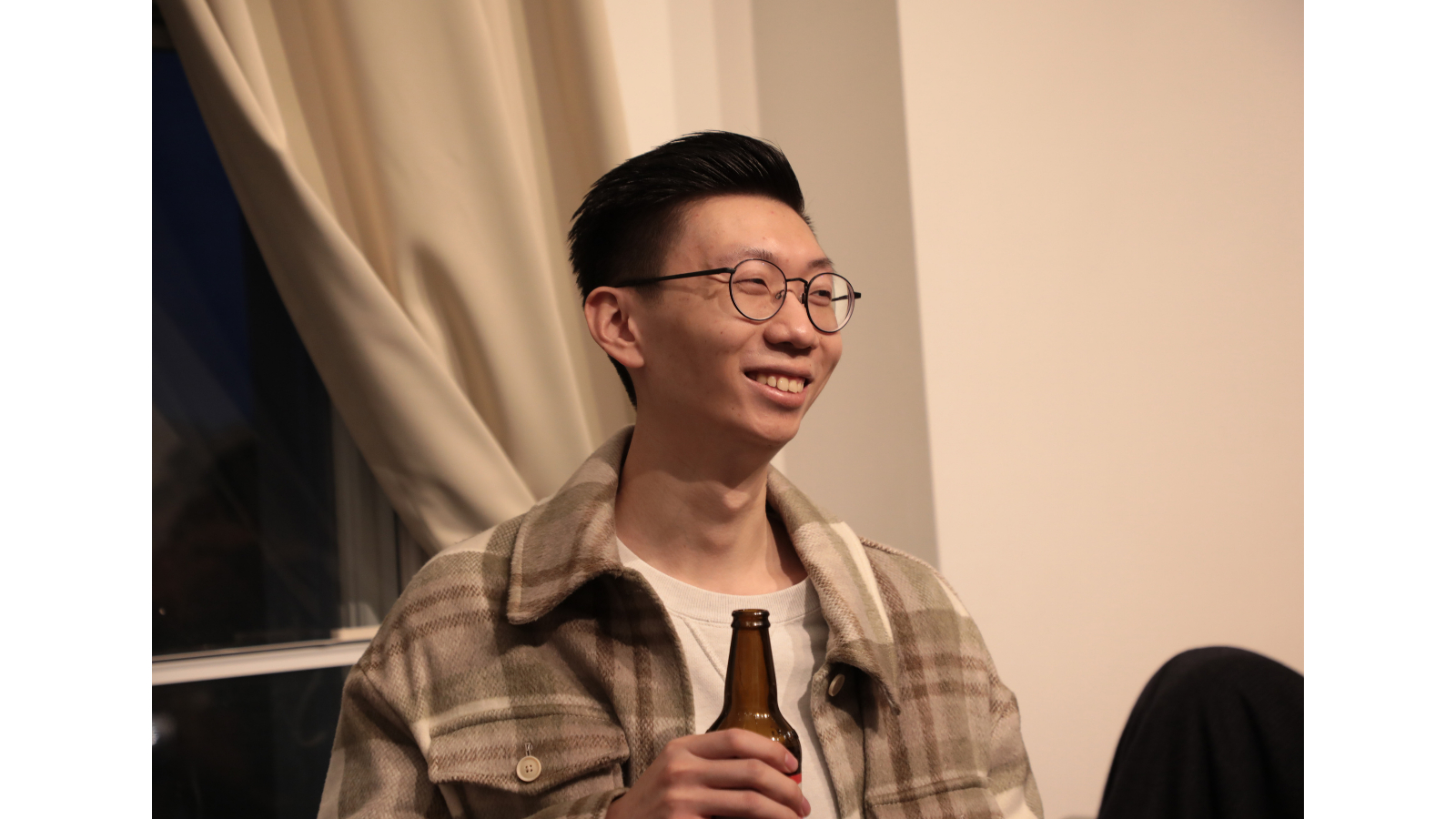
Howard's Advice
"For young people, the best way to live your life is to try things you are interested in and work hard to achieve your goals. I like what Socrates said, 'The unexamined life is not worth living'. The internet has made it easy to find study materials and support, such as online courses, library resources and mentors.
Along the way, what you need is to stay conscientious and persistent. I have been reading philosophy lately and learned the word 'arete', translated as 'an ongoing pursuit of excellence'. The definition of 'excellence' varies from person to person, but the goal of pursuing a better life is the same for those who try their best to achieve something. There is no need to worry too much about making mistakes, as you can always learn from them and make progress while correcting them. While it is hard to predict what skills or knowledge you will need in the future, it is easier to look at what you have now and utilise the resources around you.
Lastly, I have another quote for you, 'the best time to plant a tree is twenty years ago. The second-best time is now' by Dambisa Moyo in her book Dead Aid."