From Curiosity to National Top 12: Leyna's Linguistics Journey

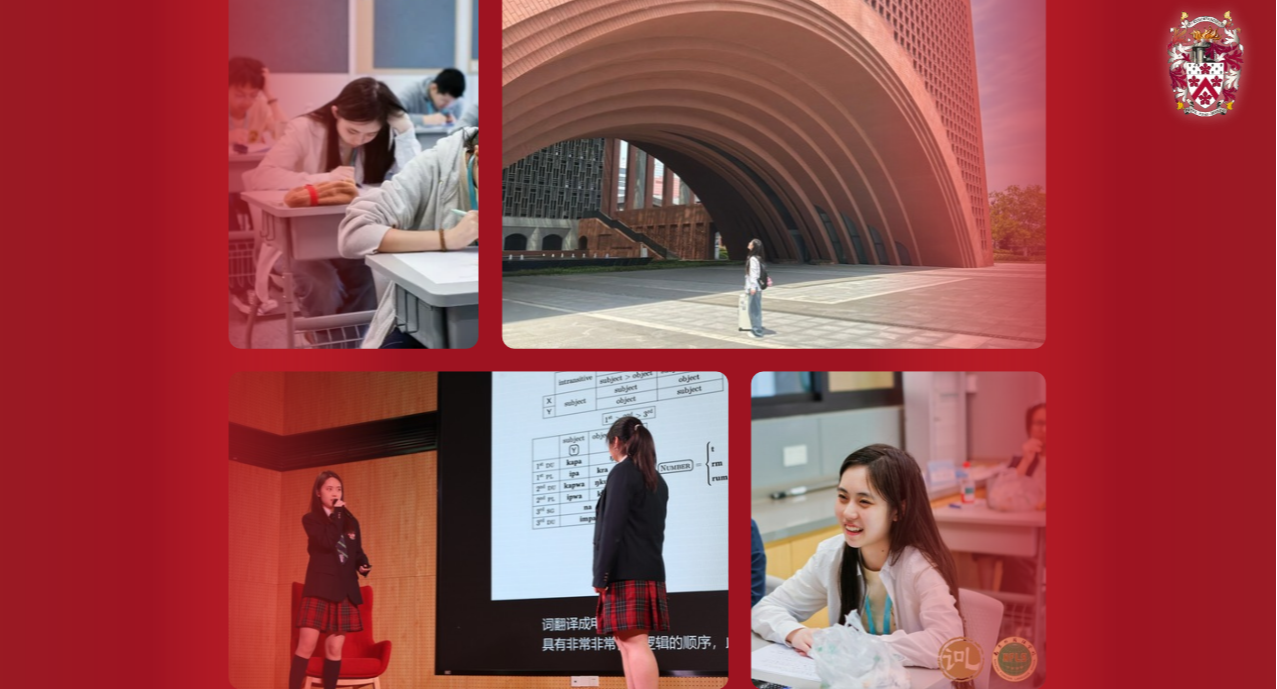
Imagine being handed a language you have never seen before. No dictionary. No translation guide. Just a few sets of linguistic data and a limited amount of time to work out how the language functions.
That is the challenge at the heart of the International Linguistics Olympiad (IOL), where students use logic, pattern recognition and careful deduction to make sense of unfamiliar linguistic systems. Success requires more than knowledge. It demands the confidence to work with uncertainty, test ideas and think clearly under pressure.
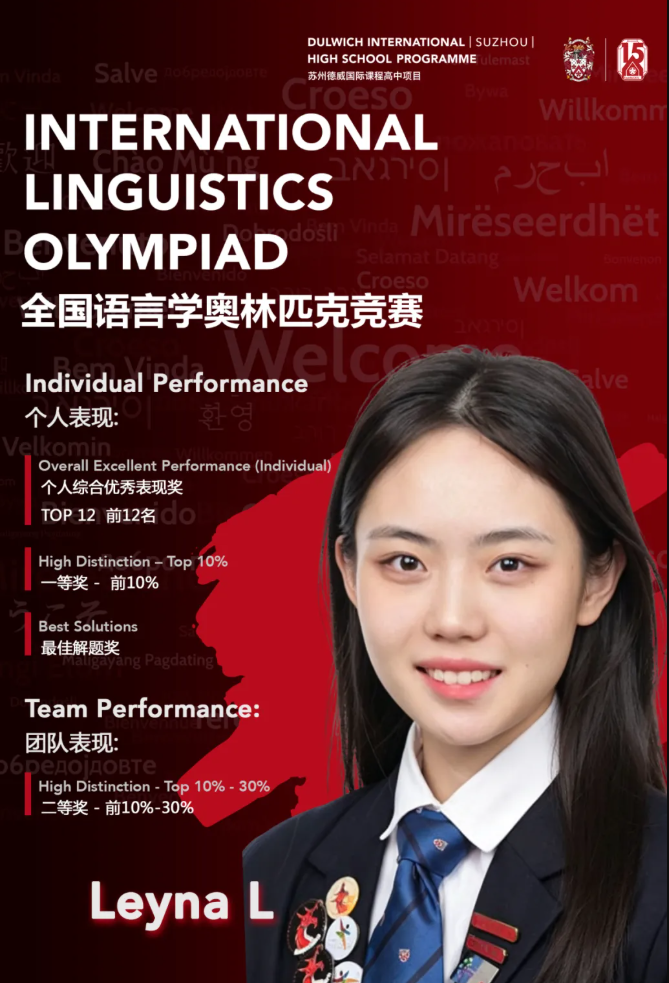
At the 2026 International Linguistics Olympiad China (IOLC) Junior Division, Leyna L, a Year 13 student at Dulwich International High School Programme Suzhou, did exactly that. She achieved a National Top 12 finish, received High Distinction (Top 10%) and Best Solutions, and helped her team earn a Distinction (Top 10% to 30%). She was also invited to progress directly to the 2027 IOLC Senior Division national stage.
The result is impressive. The journey behind it is even more interesting. How does a fascination with languages grow into a serious academic interest?
For Leyna, it began with curiosity. A CCA introduced her to linguistics puzzles, while encouragement from teachers, conversations with peers and her own determination helped that interest deepen over time.
At Dulwich International High School Programme Suzhou, CCAs give students space to explore subjects that capture their attention, test new ideas and discover where a passing interest might lead to deeper academic study.
Can You Decode a Language You Have Never Seen?
IOLC is the Chinese selection competition for the International Linguistics Olympiad, challenging students to solve unfamiliar language puzzles through logic and deduction. Participants analyse limited information, identify patterns and draw connections across different areas of knowledge to reach well reasoned conclusions.Competitors receive an unfamiliar language and a limited amount of data, then use observation, comparison and deduction to identify patterns and infer rules. These may involve grammar, meaning, pronunciation, number systems, word formation and other features of language.
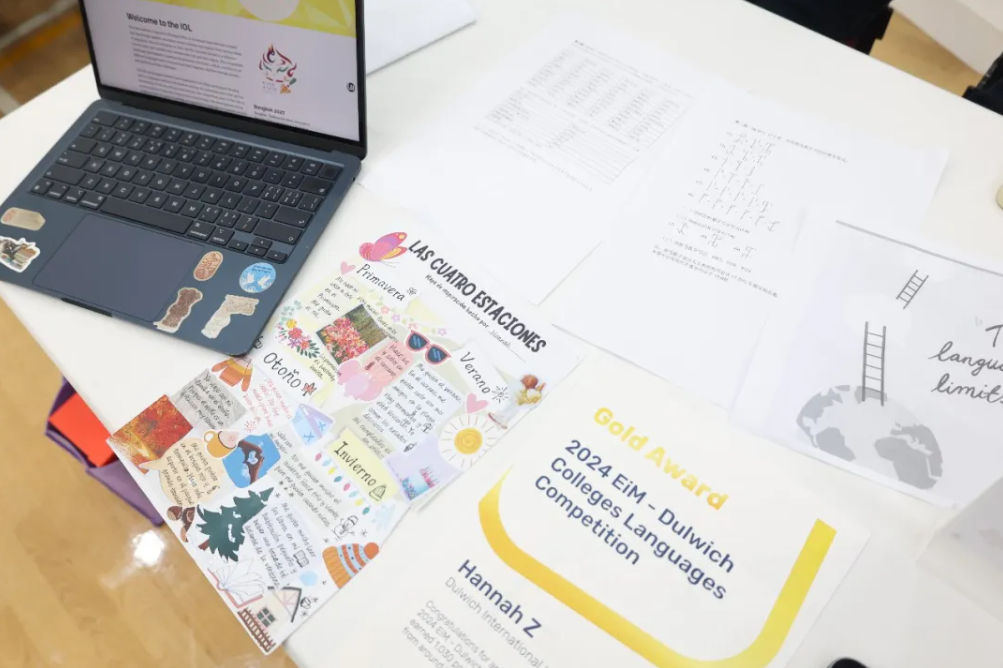
Students start with the material in front of them, form hypotheses, look for evidence and test their ideas. The aim is to build a coherent explanation from the available data, even when the language itself is new or might not even exist.
As Leyna explains: 'For most IOL puzzles, logic is the key to solving them.'
For her, working from limited information and constructing an answer from the evidence is one of the most demanding, yet appealing aspects of the IOL.
Thinking Under Pressure
The IOLC also tests the ability to sustain concentration while handling complex material.
All Junior Division participants first take a three-hour written paper consisting of four major tasks. Then the top 30% of participants progress to the Academic Exploration Camp.
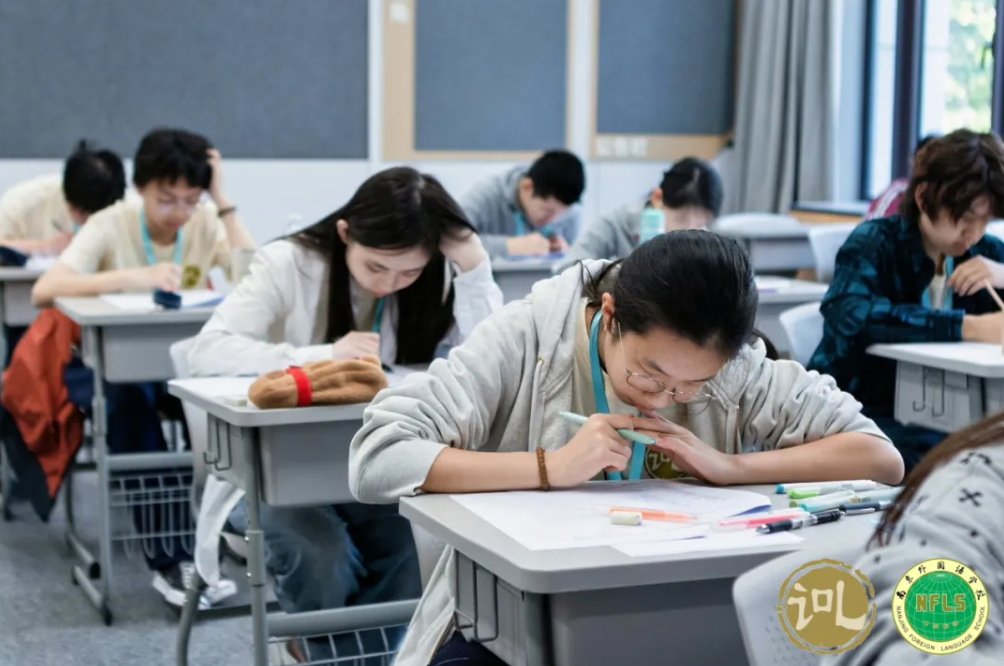
At the Camp, the workload increases further.
The two-day programme features a five-hour individual competition on the first day, with four major problems to complete independently. The second day includes a three-hour team competition, with groups of two to four students working on two major problems. The programme also featured academic lectures, including a session on linguistics and AI delivered by a professor from Xi’an Jiaotong-Liverpool University.
For Leyna, the national stage required sustained concentration in unfamiliar situations. Complex structures and unknown linguistic systems all demanded careful analysis under time pressure. The team round added another layer, requiring competitors to divide tasks effectively, communicate clearly and keep their approaches aligned.
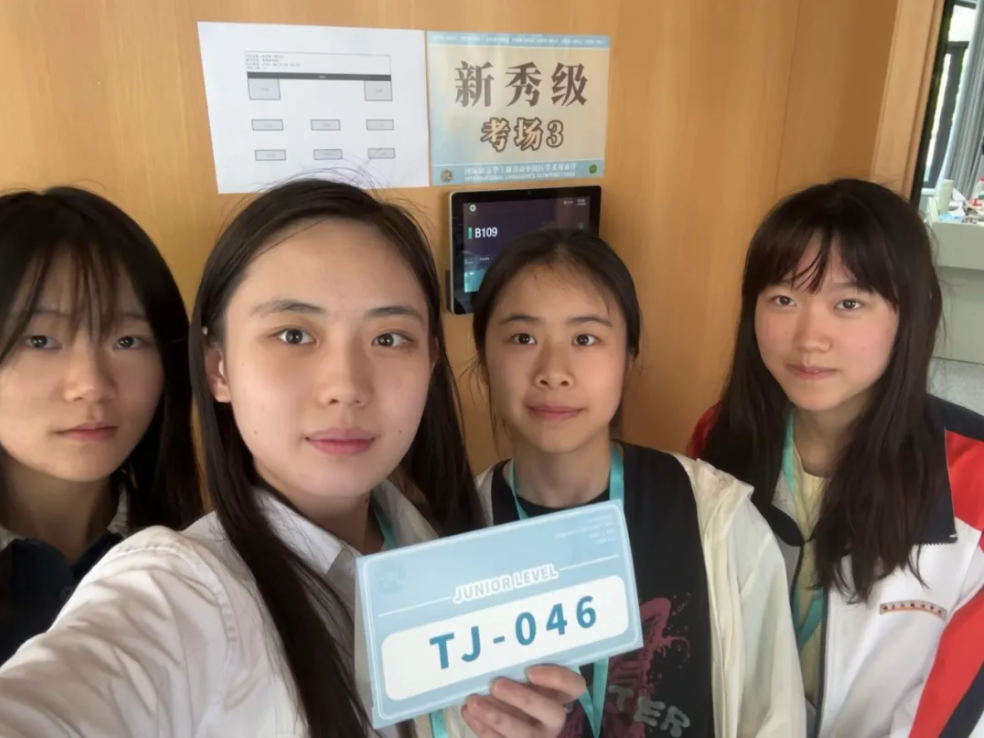
Leyna recalls how one team problem presented a particularly demanding task. She and her teammates had to infer the pronunciation system of Chinese Zhuyin Fuhao — the phonetic notation system widely used in the Taiwan region of China — from the information provided, then use that system to convert 20 lines of classical Chinese poetry into Zhuyin. They had to identify clues in the data, establish patterns and test their conclusions to complete the conversion.
From Languages to Linguistics
Leyna's interest in linguistics grew from an existing love of languages. While studying Spanish at Dulwich International High School Programme Suzhou, she joined the Linguistics CCA in Year 11, founded by Carl X from the Class of 2025.
Through the club, Leyna explored key linguistic concepts, tackled a range of language puzzles and was introduced to the IOLC. Carl's explanations and problem solving sessions helped turn a general interest in languages into a more focused curiosity about how they work.
As she encountered increasingly varied puzzles and language systems, Leyna began to approach language more analytically, looking for patterns, testing ideas and making connections across unfamiliar material.
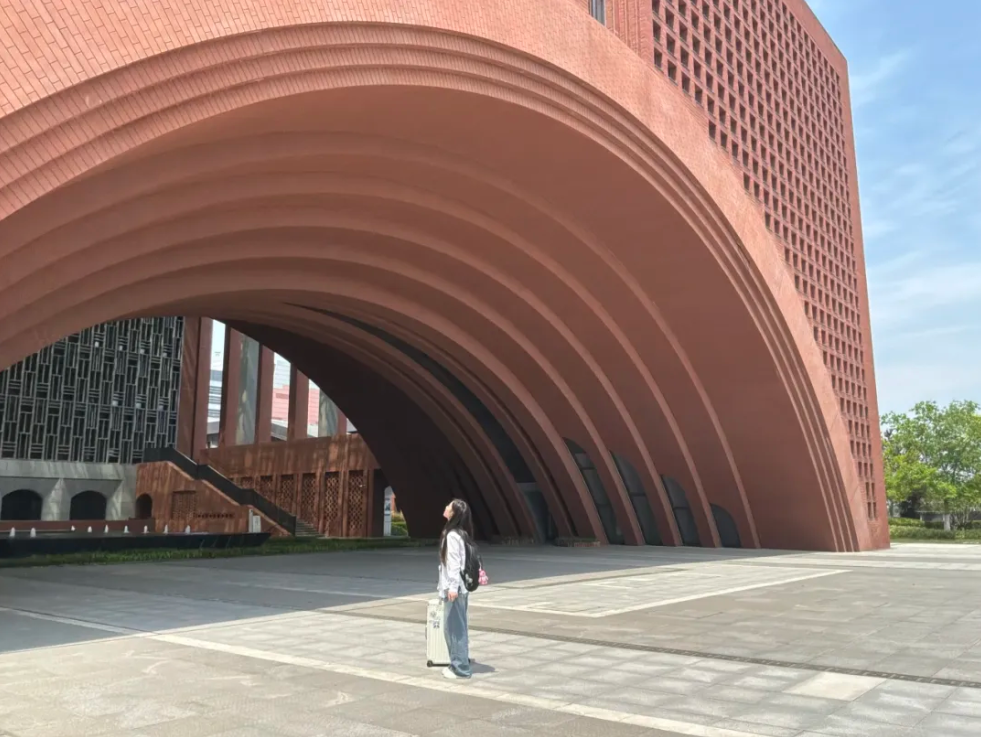
During the summer after Year 11, Leyna attended a Classics summer school, where she studied Latin and Sanskrit intensively for two weeks. Encountering these different systems in such detail broadened her perspective even further.
Spanish, linguistics puzzles, Latin and Sanskrit each gave Leyna a different view of language. Her experience illustrates how academic interests can develop naturally when students are encouraged to test their curiosity in different settings. The wide range of CCAs we offer gives each student the chance to pursue subjects that lie outside of their formal lessons.
Where Curiosity Meets Opportunity
For Leyna, CCAs are also a valuable way to connect with students from different year groups and with different pursuits.
'For younger students who have not yet developed a clear sense of their interests, CCAs provide a way to step outside the classroom and explore the world around them. For older students, they can also use them to pass on their own unique experiences and perspectives.'
In Years 10 and 11, Leyna participated in a range of different clubs, where she met older peers with similar passions. These encounters introduced her to new subjects and viewpoints that helped her identify the areas she wanted to pursue further.
Cross-year learning is an important part of life at Dulwich International High School Programme Suzhou. Students can learn from older peers, exchange ideas with classmates and shape their own direction through these interactions.
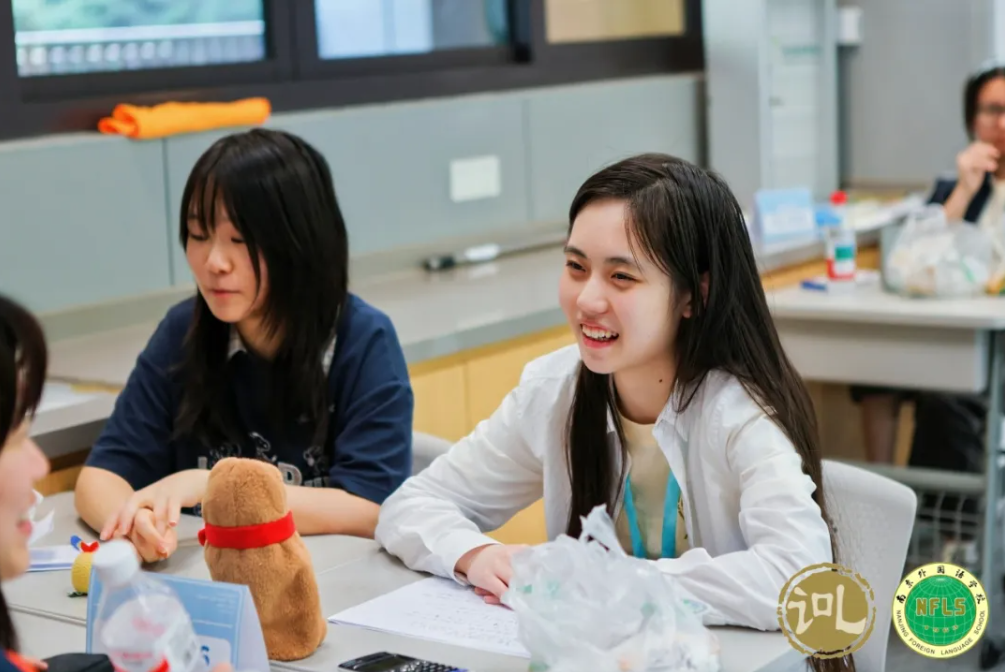
Teachers also played a key role. Mr Webb has consistently encouraged students to learn multiple languages and interact with different cultures.
In the months leading up to the IOLC competition, Leyna's Spanish teacher used the weekly CCA time to work through linguistics problems with her.
'My Spanish teacher knows many languages. She introduced me to features of particular language families, which helped me make judgements more quickly when solving problems.'
A Learner and a Leader
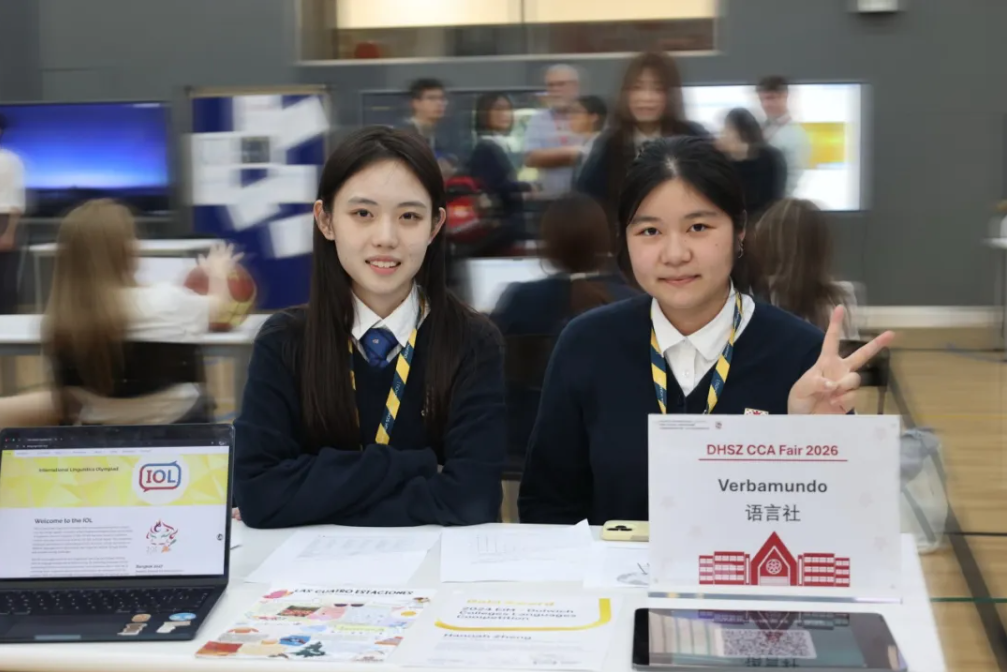
Leyna wanted to create a place where students could explore the questions that had drawn her into linguistics. She started VerboMundo (👈🏻 click here to register now), a new CCA where members can tackle linguistic puzzles, study languages such as Spanish, Japanese and Latin, and investigate the cultural, social and historical contexts that shape them. Now, she has the opportunity to introduce others to the same field while continuing to deepen her own understanding.
'Through this process, I also went on a complete journey of growth, gaining knowledge and friendships.'
Leyna plans to continue leading VerboMundo in Year 13 with another president Hannah Z. Students interested in linguistics are welcome to join VerboMundo for the new academic year.
When Curiosity Becomes Expertise
Leyna's National Top 12 finish is an outstanding achievement.
Leyna's journey did not begin with a competition. It began with an interest.
A love of languages led her to linguistics. A CCA gave her new ideas, new peers and new problems to solve. Teachers helped her go further, while competitions gave her the chance to test what she had learnt under pressure. Now, she is passing that experience on to younger students.
That is what academic excellence can look like at Dulwich International High School Programme Suzhou: curiosity given room to grow, challenge met with support, and knowledge turned into something worth sharing.
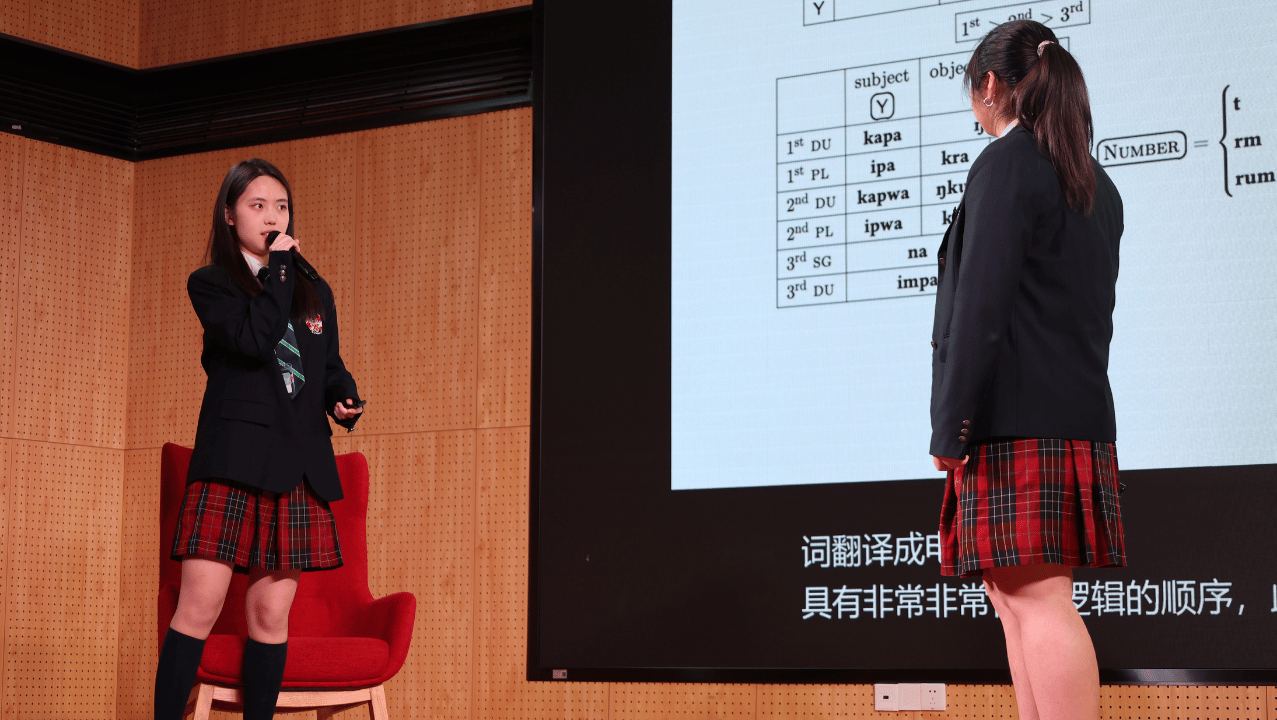
Leyna's journey shows what can happen when curiosity is given time, challenge and direction. An interest in languages became a deeper academic pursuit through practice, persistence and a growing willingness to take ownership of her learning.
Her IOLC success did not come from a single moment. It developed through CCAs, independent study, academic exploration and competition, each stage helping her build greater confidence and expertise. A National Top 12 finish is an impressive result, but it is also evidence of the sustained work that came before it.
Curiosity rarely follows a straight line. Sometimes it begins with a language, a puzzle or a CCA and grows into something much bigger.