DHSZ Open Class Ep.01-Biology

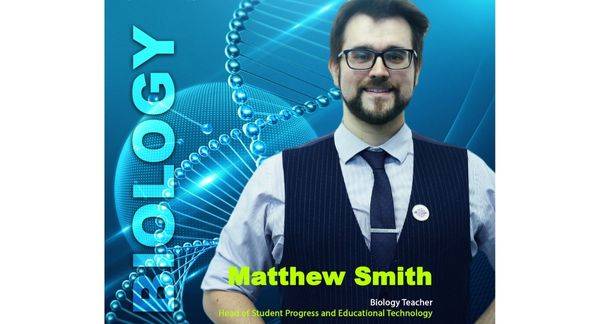
We are excited to introduce you to a brand new column today: the DHSZ Open Class series! Why is there a new column? What was our initial intention? It all started a few weeks ago.
After the Golden Week, many of our teachers were busy participating in the Top School International Teachers Competition, and we needed to go into their classrooms and film a lesson to demonstrate how our teachers teach and perform in the classroom.
We were pleasantly surprised, as we were compiling these classroom videos, to discover that a randomly selected DHSZ class (which the students were unaware we were filming) was so lively! The teacher's lesson planning was clearly rigorous and well-designed! Perhaps this is the ‘Dulwich Difference' that we keep mentioning?
So, we decided to make a few classroom videos available to the public, naming the series "DHSZ Open Class." Whether you are a student, a parent, or anyone else interested in learning more about Dulwich International High School Suzhou, you can use this column to see how our daily classrooms look.
Enjoy our 100% Natural DHSZ Open Class!
Episode 01 Biology Class
With the “Wanted” poster hanging on the wall, precision instruments, and laboratory appliances standing by, ‘researchers’ dressing in lab coats entered the ‘crime scene’.
Welcome, welcome!
This is DHSZ CSI, our incredible biology class!
Creative Teaching Style
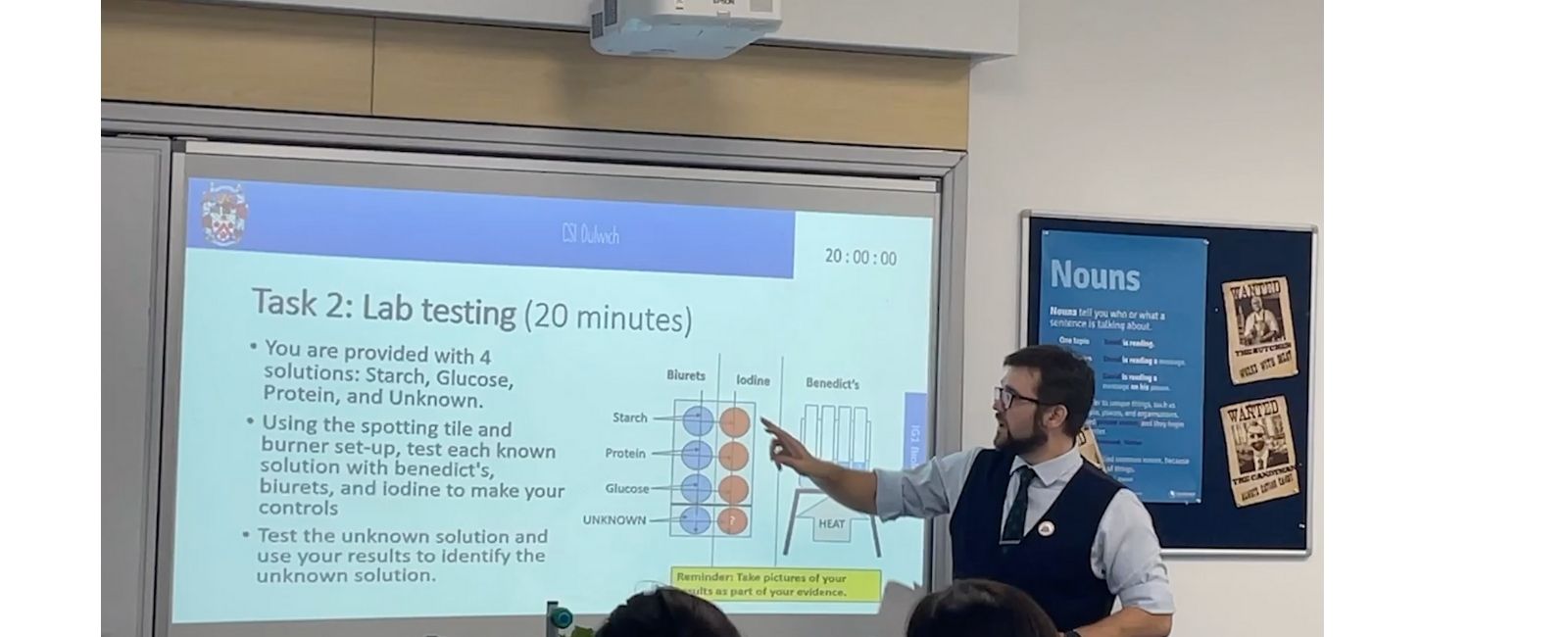
In Mr. Matthew Smith’s class, he always guides the students to relate the concept to real-world examples. This time, he creates a crime scene in the lab classroom. The lesson begins with the students receiving information about the crime scene and suspects, along with previous knowledge questions and clues they need to put together to crack the case.
There is a lab component that had them testing unknown liquids taken from the crime scene to identify what it contains. With the clues and lab findings, students built a case against one of the suspects. Finally, they published their findings and reflections in a report that they posted on a tech page for group discussion.
The creative and interesting class was full of Mr. Smith’s unique ingenuity. He tells us that “Biology is one of the three sciences that make up the Coordinated Science course. Out of the three, Biology is considered the most challenging to understand and relate to. My goal as a teacher is to clarify their misunderstandings and give students the chance to gain knowledge and skills that can be used elsewhere and, at the same time, have a fun and engaging time so students will learn better. It is important that students understand that each lesson links to one another and that they’re not single, isolated pockets of knowledge, but part of a greater whole. So, part of the lesson design process is understanding how they link together and can be revisited in future lessons. An example of this is that in the following week, students were learning about the process of photosynthesis where one of their objectives was to be able to test a leaf for the presence of starch, indicating photosynthesis was taking place.”
By addressing key knowledge and engaging in discussion and practical experiments, students are expected to cultivate 21st-century skills, including collaboration and cooperation, critical thinking, and problem-solving skills.
To be more specific, students have an opportunity to improve on collaboration and synthesis of knowledge, not only in the cooperative experiment section, but also when students need to collate their results into a coherent report and reflection through EdTech (such as Padlet), which allows students the opportunity to read other classmates’ answers to improve their learning.
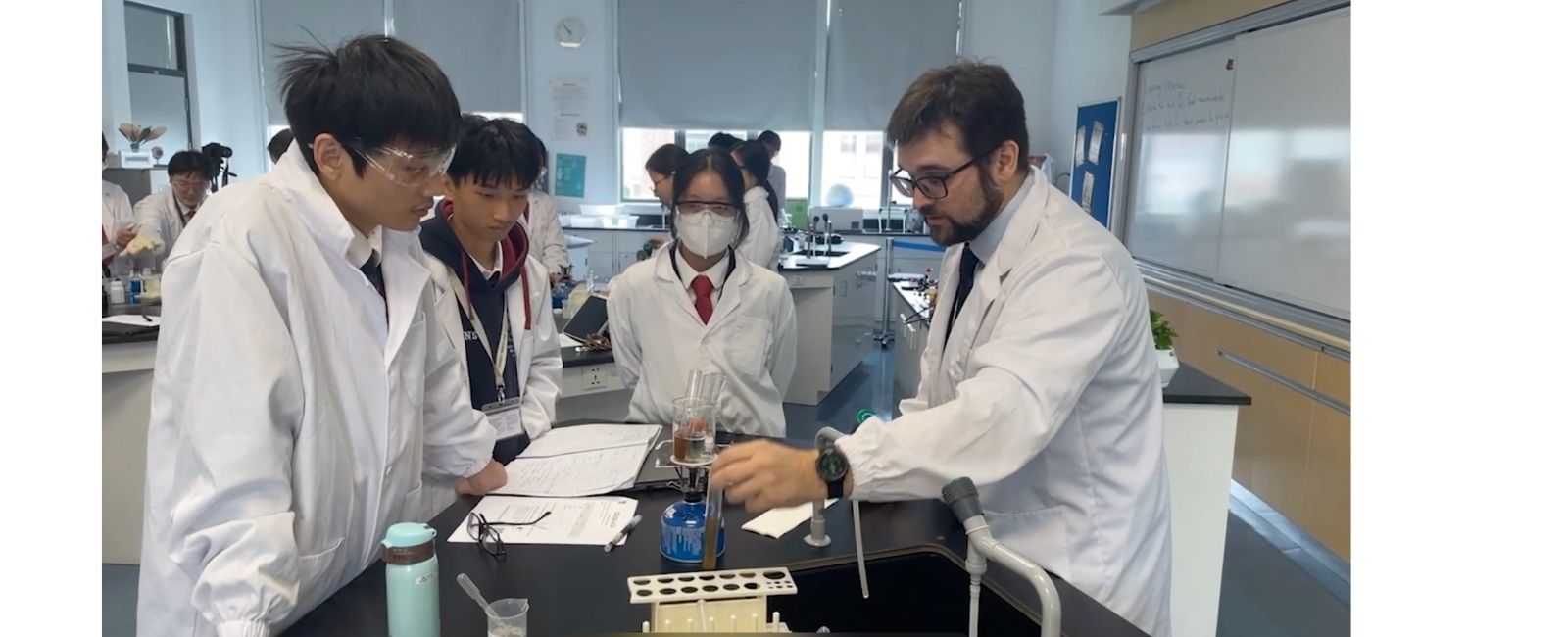
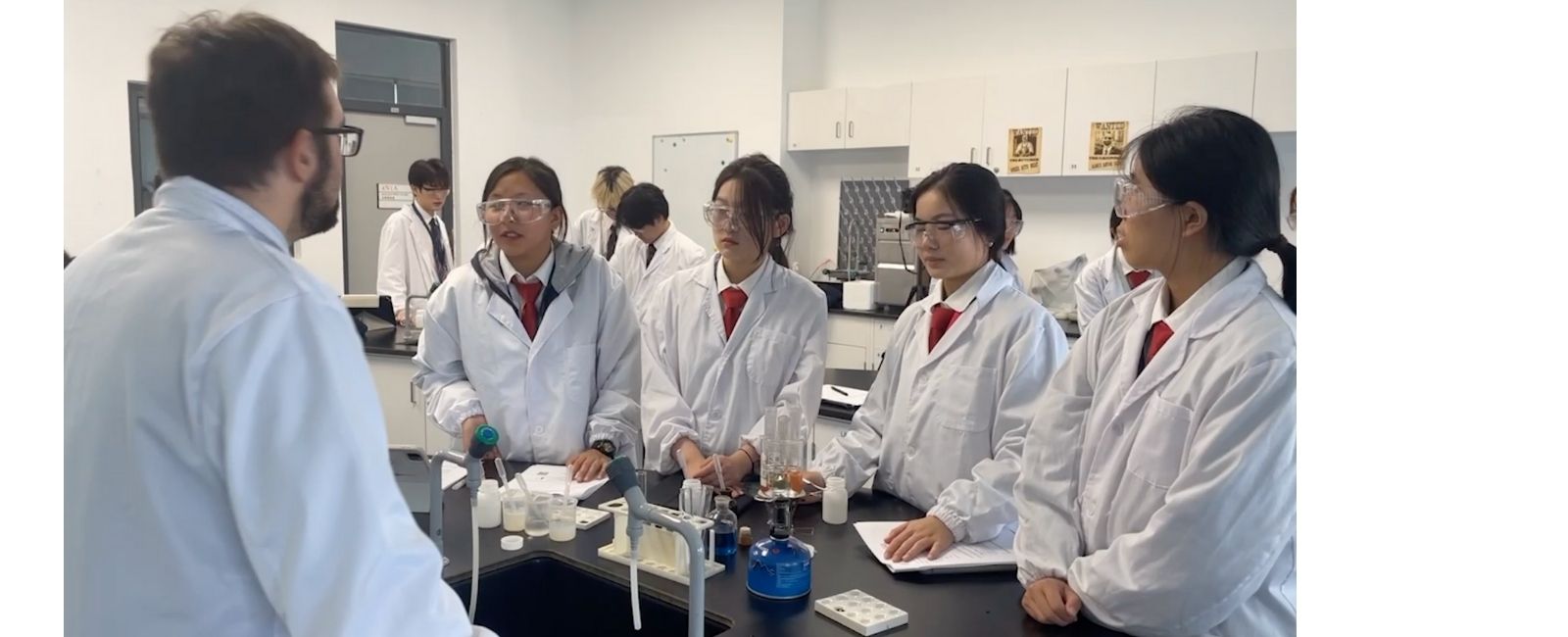
In addition, here at DHSZ, students are practicing and improving their English skills in a multitude of ways. Considering most of the students are native Chinese speakers, Mr. Smith gives much freedom for them to express themselves. Students can discuss in pairs in their preferred language and complete the report in English. This way, Mr. Smith said, “Translanguaging is an important process for second language learners to access their knowledge and be able to express themselves without the frustration that they can experience when they’re not experienced in using English. Our ESL specialist, Mr. Tony Qureshi, works with our department to provide excellent examples of how we can scaffold the language support to maximise the learning of our students. Understanding the knowledge is only half what is needed to succeed in final exams For students to truly achieve what they deserve is through language support and enabling them to know the correct way to structure their answers in a way that makes sense to external examiners and fully understand the technical terms unique to Biology. Students have the opportunity to express their knowledge and language skills through multiple platforms, including report writing, presenting, video creation, and reflective journals, to name a few examples”.
Education Philosophy
Mr. Smith believes that a teacher must put their students first when it comes to lesson design. “Education is an ever-evolving paradigm, and it’s the role of the educator to ensure they are keeping to date with the latest research and pedagogical development to ensure our students have the knowledge and skills needed to thrive beyond the classroom.”
When designing lessons, Mr. Smith endeavors to create scenarios that students can identify with to develop discussion and promote active discovery and learning, whilst maintaining a high standard of classroom management to ensure students feel safe, secure, and supported in their learning.
Advice from Mr.Smith
For the students who have a passion for Biology or Science, Mr. Smith suggests,
“Science, whether it’s Biology, Chemistry, or Physics, is continually building upon existing knowledge. Students should be taking the opportunity to read the latest journals, such as Nature and New Scientist, to find out what is happening around the world and gain an understanding of the basics that we teach at DHSZ so that, when they move up into university and beyond, they can continue to build upon that foundational knowledge and be successful.
“Students should also be taking advantage of the best sources of knowledge available to them: their teachers. We provide time throughout the week, called Office Hours, that we are available to provide unfettered attention to students who seek to improve themselves and want to become fantastic scientists in their future.
“The third piece of advice is to try to use English as much as possible whilst in school. Alumni will come visit and often say, ’I wish I used more English in high school.’ Take their advice and practice where you can. DHSZ is a safe environment to allow you to develop and try new things out without fear of failure.
Ultimately, Science is about exploration and discovering the unknown. Students need to tap into and grow that passion and interest to, as we say, Grow in Dulwich, Thrive in Life!"