World Book Day: Comparative Reading
World Book Day
23rd April is World Book Day. The purpose of World Book Day is to celebrate books and reading. Every year, the library at Dulwich International High School Suzhou celebrates World Book Day in a variety of different ways.
A few days ago, I happened to watch a TED talk video about comparative reading. After watching the video, I tried the methods it suggested, and found this way of reading really opened my mind and led me to understand things from a different perspective.
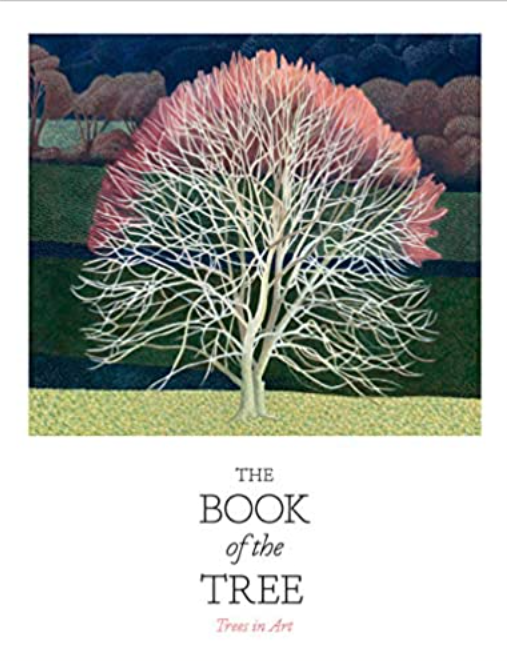
The Book of the Tree: Trees in Art
The experiment started by choosing books related to a similar topic. Browsing all of the books on display, my eyes were caught by one book “The book of the tree, Trees in Art”, as the book cover looks so calm and neat. After quickly scanning a few pages of the book, I learned that the book introduces artists and their drawings on trees. But is this really of any interest to me?
What the book is really about is paintings of trees by different artists. Is the book this simple? Other topics are mentioned in the book. Which kind of drawing style will we like? How do the artists express their thoughts? How do life experiences of artists affect their painting style and drawings? After I read each chapter, I ask myself questions about the information I gained from the book. I found I was having a dialogue with it. I could understand the artwork as I got closer to the artist’s inner world, learning the ways they express their thoughts through their paintings.
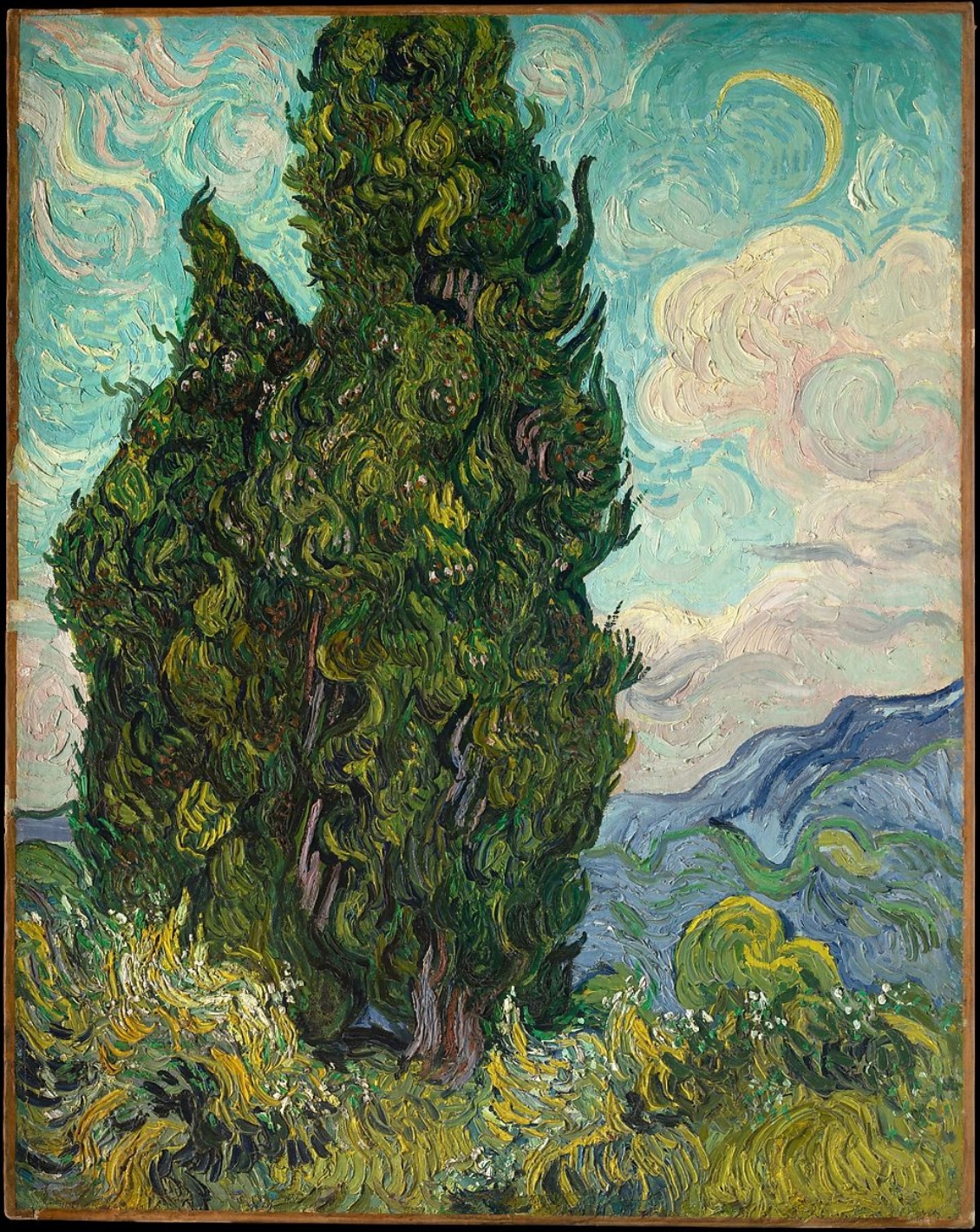
For example, when I read the introduction to Cypresses, by Vincent Van Gogh, I learned Van Gogh had been a refugee in the Saint-Remy -de-Provence. The Cypress tree in the hot summer struck him for its viability. Van Gogh used lines, proportions and twisting brushstrokes to give the tree a feeling of vivid, shaggy energy and bristling vigour. The tree, sky and clouds reflect the interconnection of the natural world.
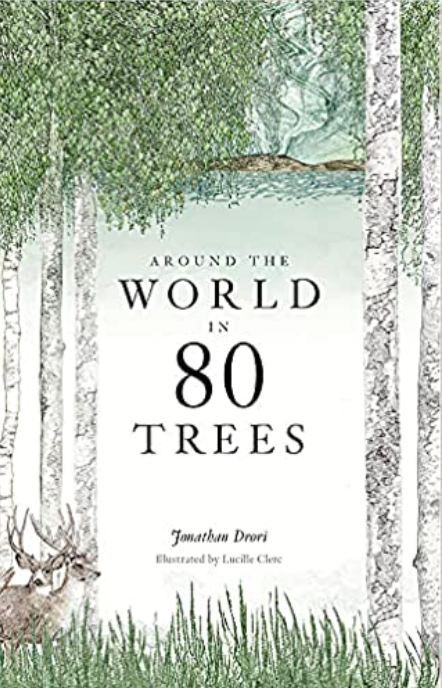
Around the World in 80 Plants
The first book is about art appreciation, and the second book connects us with 80 different plants worldwide. Do plants have wisdom? “Around the world in 80 Plants”, is a book that provides some answers.
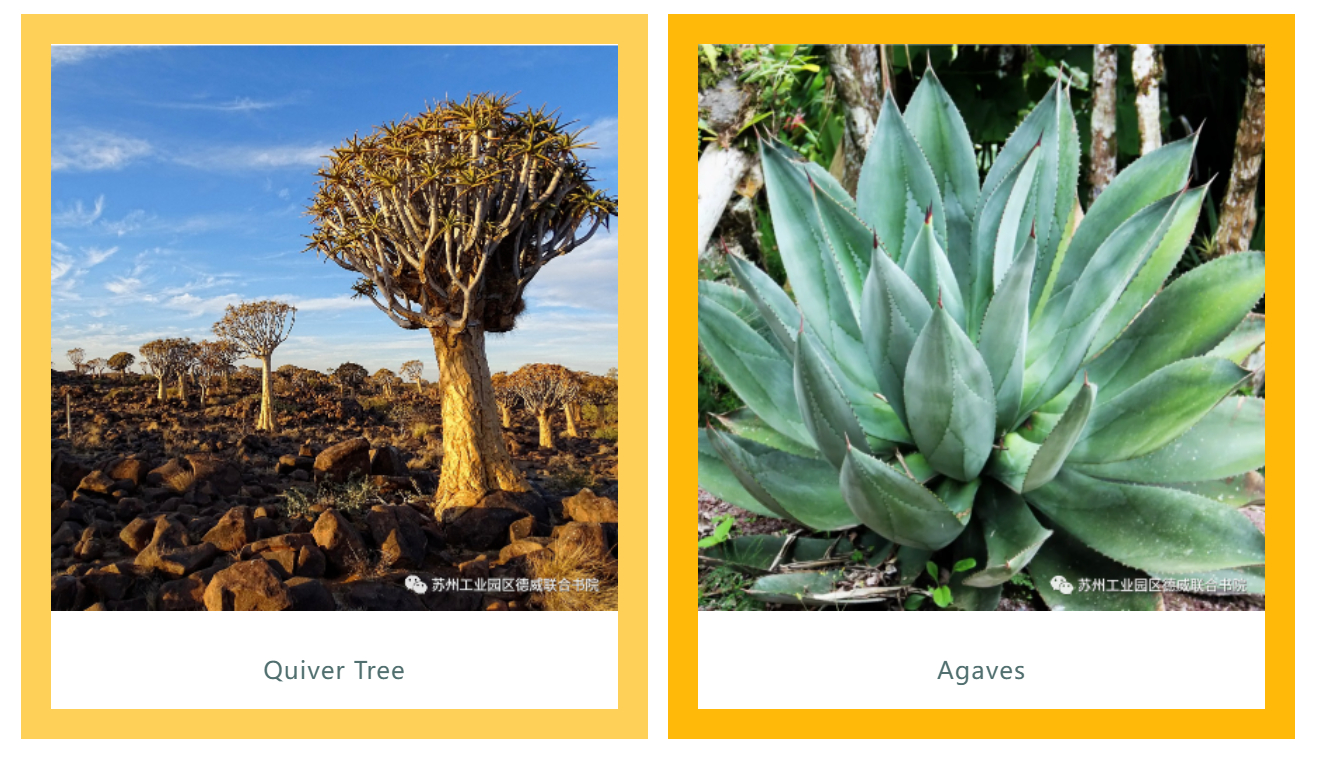
Take, for example, the Quiver Tree in the book. The introduction explains how the plant uses internal and external forces to survive, adapt and evolve. Its trunk and branches can store water during sparse rainfalls. The forked stem and branch enable the amputation of any part of the stem and branch, in order to reserve resources when dry period persists.
With adaptability to environmental changes, Quiver Tree, and agaves, (the two of which are unrelated and live in totally different parts of the world), can evolve to have similar traits, for example water stored in the swollen and succulent leaves. They also look alike, both having robust, waxy skin with teeth on the edge, the purpose of which is to protect themselves.
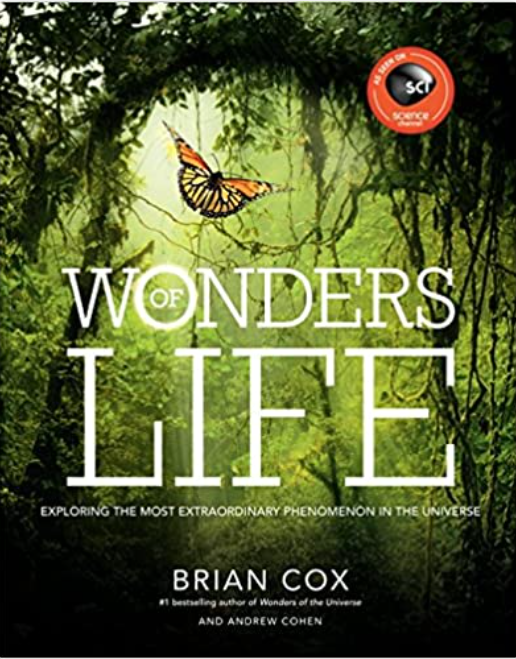
Wonders of Life
The book “Wonders of Life” is much more theory-based, and many keywords are new to me. I often found myself getting easily bored reading this kind of book in the past, before giving up, even though the book is beautifully made. This time, I forced myself to read through an entire article, as I needed to complete my comparative reading exercise.
I found an easy way to read popular science books. These kinds of books introduce facts and key points by organizing information in a logical way. Take one paragraph of an article “Same Plant, different world”. which introduces the concept that different levels of water transportation are supported by relevant forces. To understand how the author introduces the forces and their effect on water transportation, we need to understand how the author uses the sequence to introduce the process. The sequencing skills can help us, to guess the meaning of an article.
In addition, I would like to introduce you to the 5-minute reading method, which is useful when you have to read an article that is hard to understand. During the 5 minutes, all your attention must be focused on reading and figuring out keywords, and the relationship between the keywords. This method, together with pictures, illuminates the key message, reduces the level of reading difficulty, and encourages you to carry on reading. The screenshot below is what I learned about the process of water transportation, and the effects of force at each level of the process.
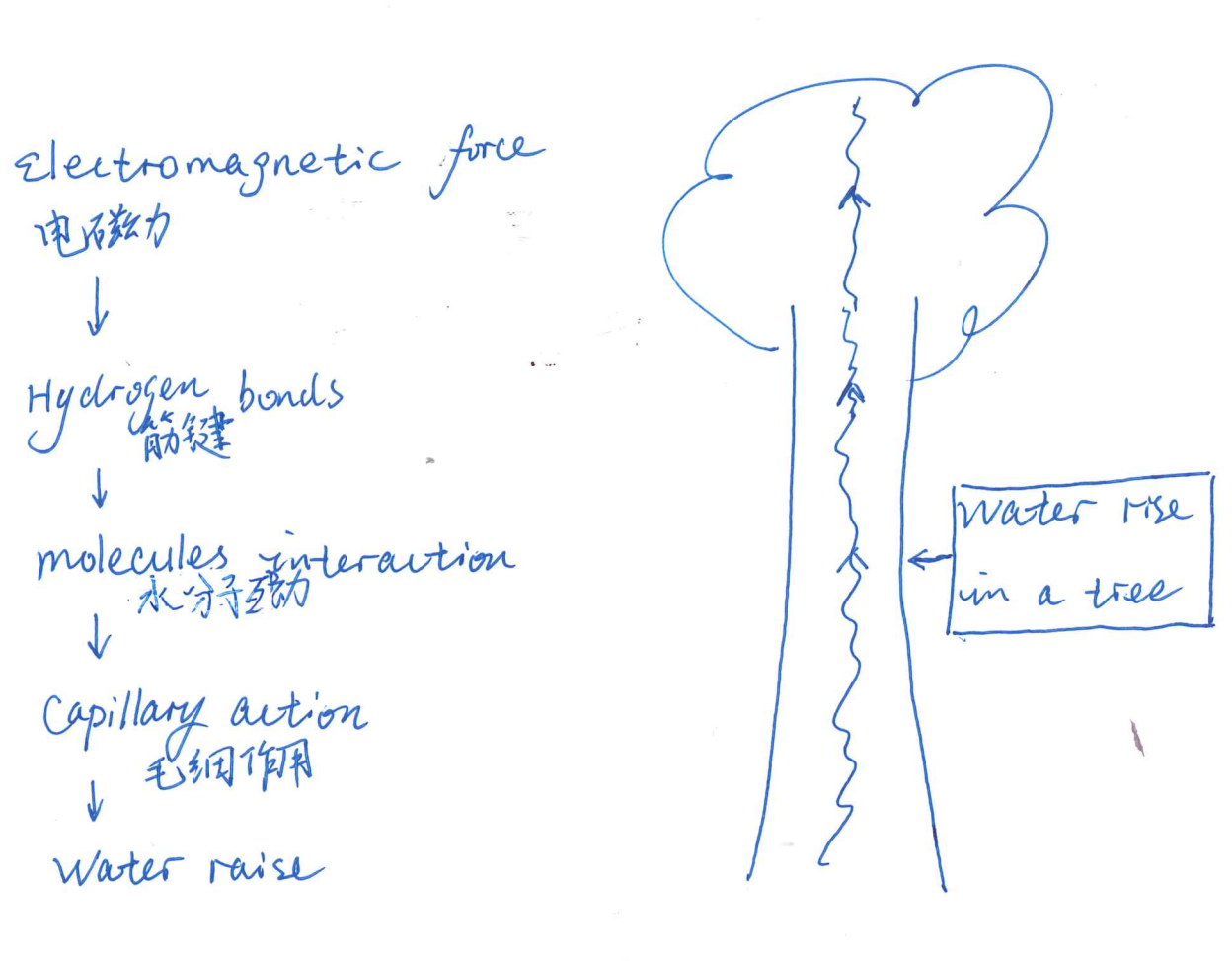
Through comparative reading, we can get unexpected results. The expression of an artwork is not simply a painting but also reflects the artist’s personal life experience. Natural selection in response to an environmental change can lead to convergent evolution. The weight of trees depends on the force of gravity and electromagnetism.
To celebrate World Book Day, I recommend everyone should try comparative reading, which can trigger our curiosity about the world and develop our empathy for other people. Our library volunteers have agreed to try it after their exams, and we would like you to try it as well, and discover the happiness brought by reading.