Open Class Ep.19 Lifeskills

At Dulwich International High School Programme Suzhou, learning is understood as something that extends beyond academic mastery. Alongside subject knowledge, students are guided to develop the habits, judgement, and self-awareness that allow them to navigate life with confidence and empathy.
The Lifeskills programme sits at the heart of this philosophy. Through deliberately designed, experience-based lessons, students engage with real-world situations that ask them to think independently, collaborate meaningfully, and reflect on their choices.
In this episode of our Open Class series, two Year 12 Lifeskills lessons, a cooking class and a hygiene class, offer a clear window into how everyday practice becomes a foundation for long-term growth.
Education for Life
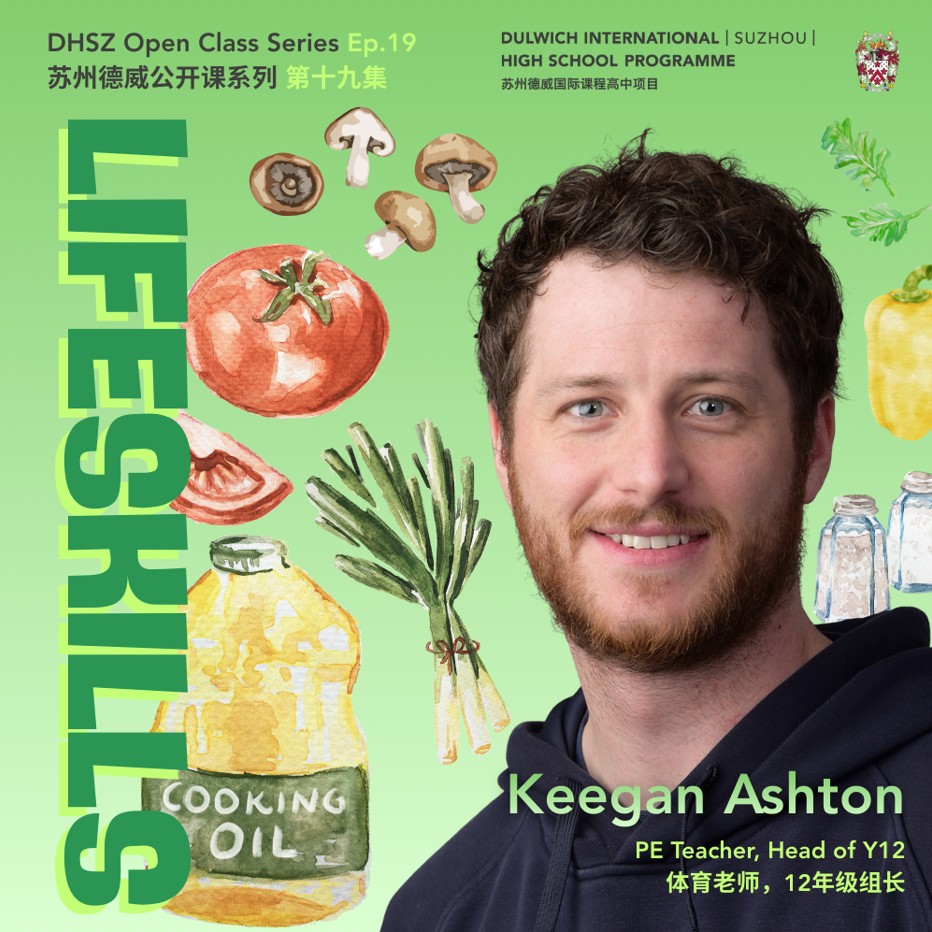
As Mr Ashton, Head of Year 12, PE and Lifeskills teacher at DHSZ, explains, Lifeskills is not positioned as an add-on, but as a vital complement to academic learning.
“The overall goal of the Lifeskills programme here at Dulwich is to help support the students academically and also beyond academics, through their social, emotional, and practical skills.”
The programme focuses on building confidence, responsibility, and resilience through experience. Students are encouraged to make decisions, reflect on outcomes, and develop coping strategies that support them during key transitional stages and beyond school life. In doing so, Lifeskills reinforces a holistic vision of education, one that recognises success as the ability to adapt thoughtfully and act with purpose.
Learning Independence Through Cooking
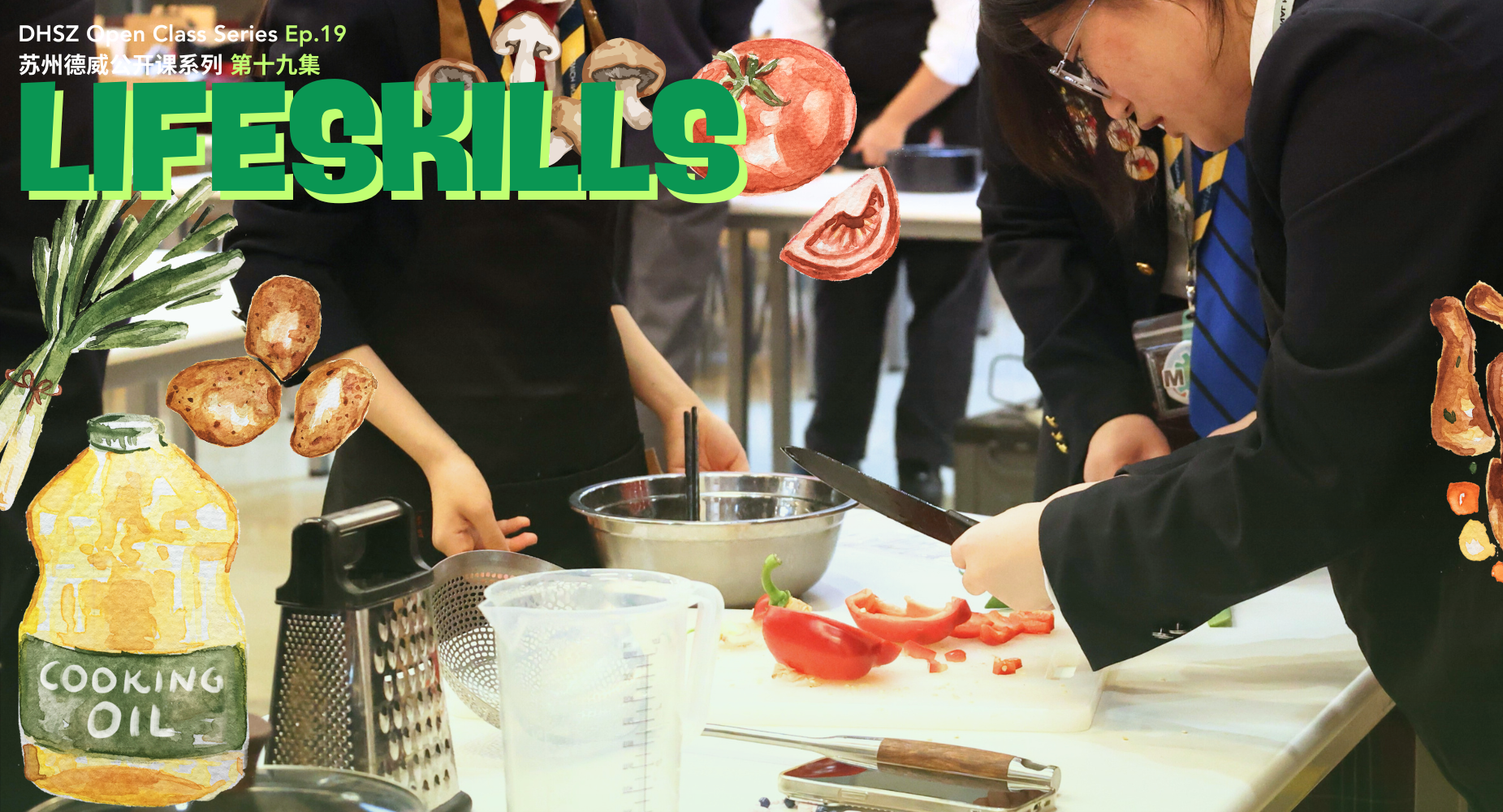
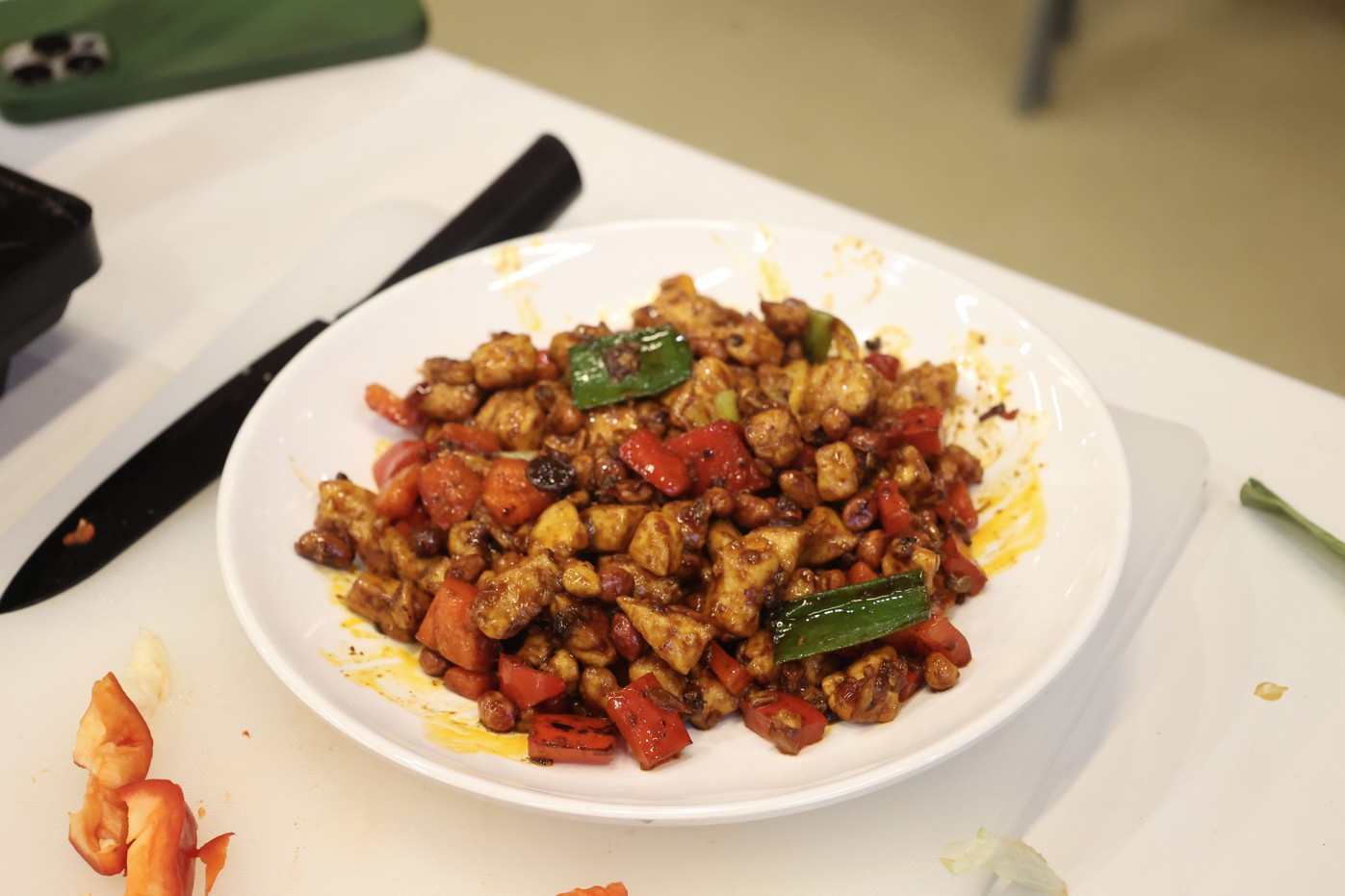
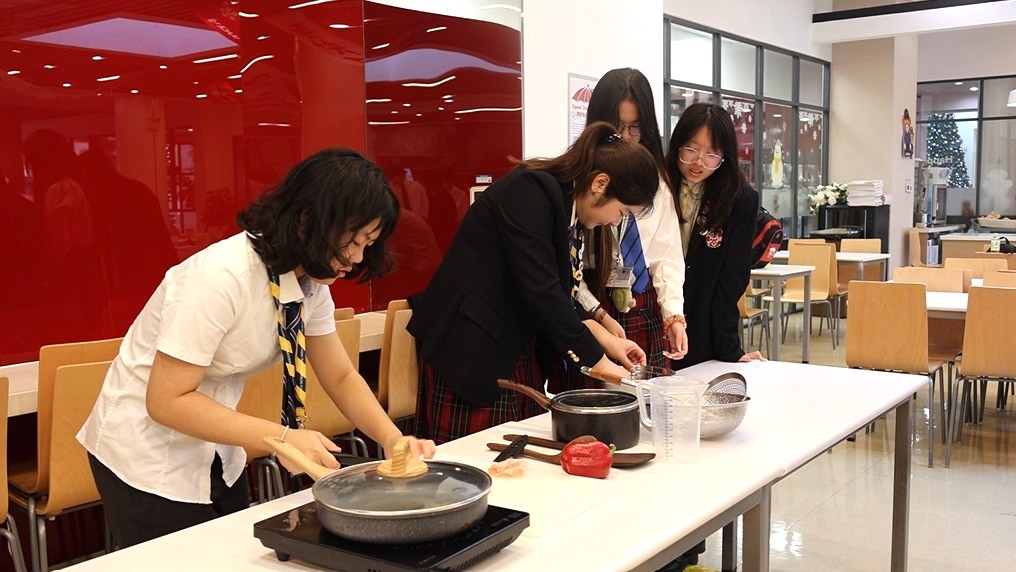
In the cooking lesson, students worked in small groups of four to five, each provided with a recipe, ingredients, and cooking equipment. Their task was to prepare Kung Pao Chicken, following structured instructions while making collaborative decisions along the way.
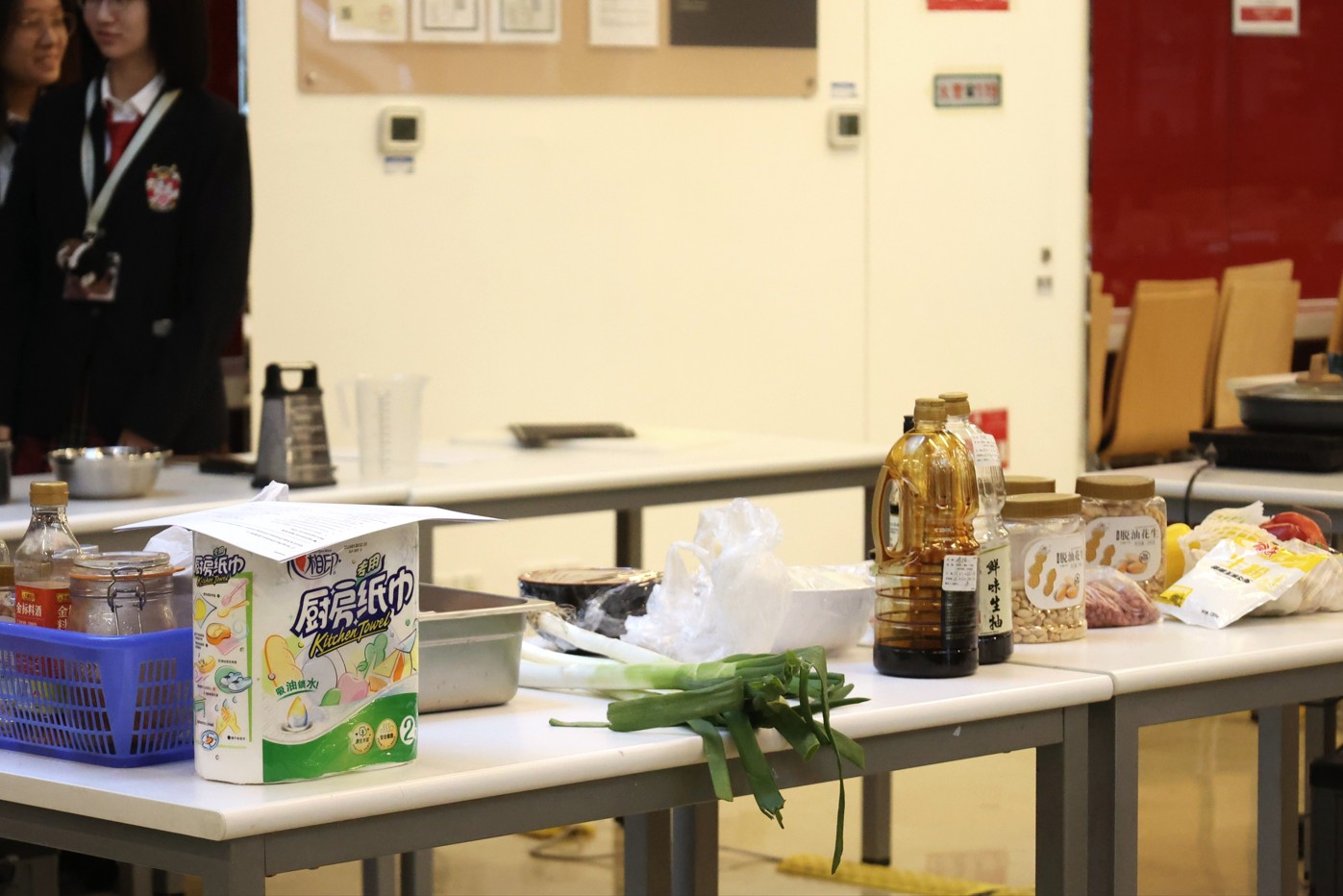
The design of the lesson placed ownership firmly in the hands of students. Teachers circulated the room, offering guidance only when required, allowing students to manage time, divide responsibilities, and communicate effectively under pressure. Beyond technical cooking skills, the lesson prioritised teamwork, problem-solving, and independence.
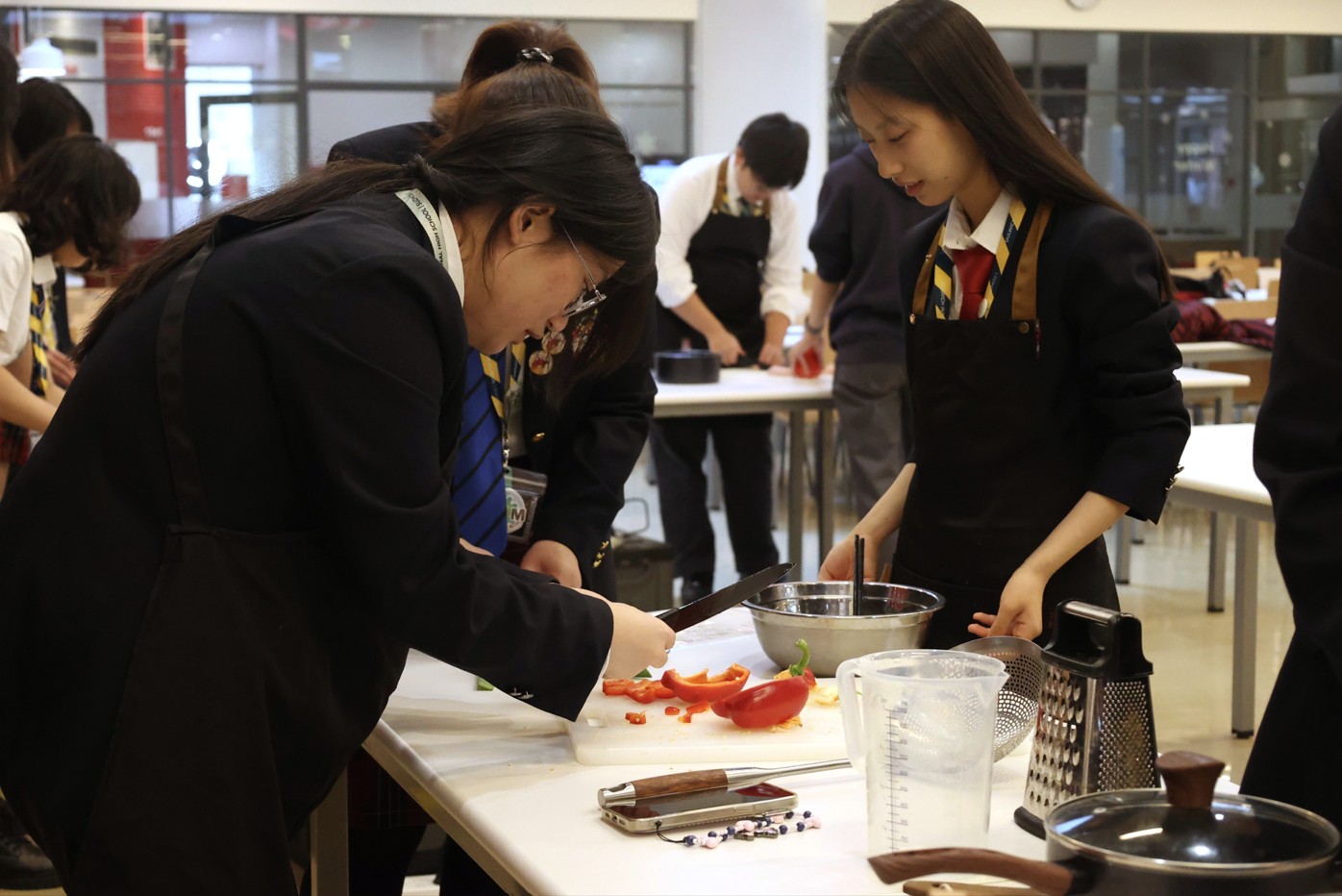
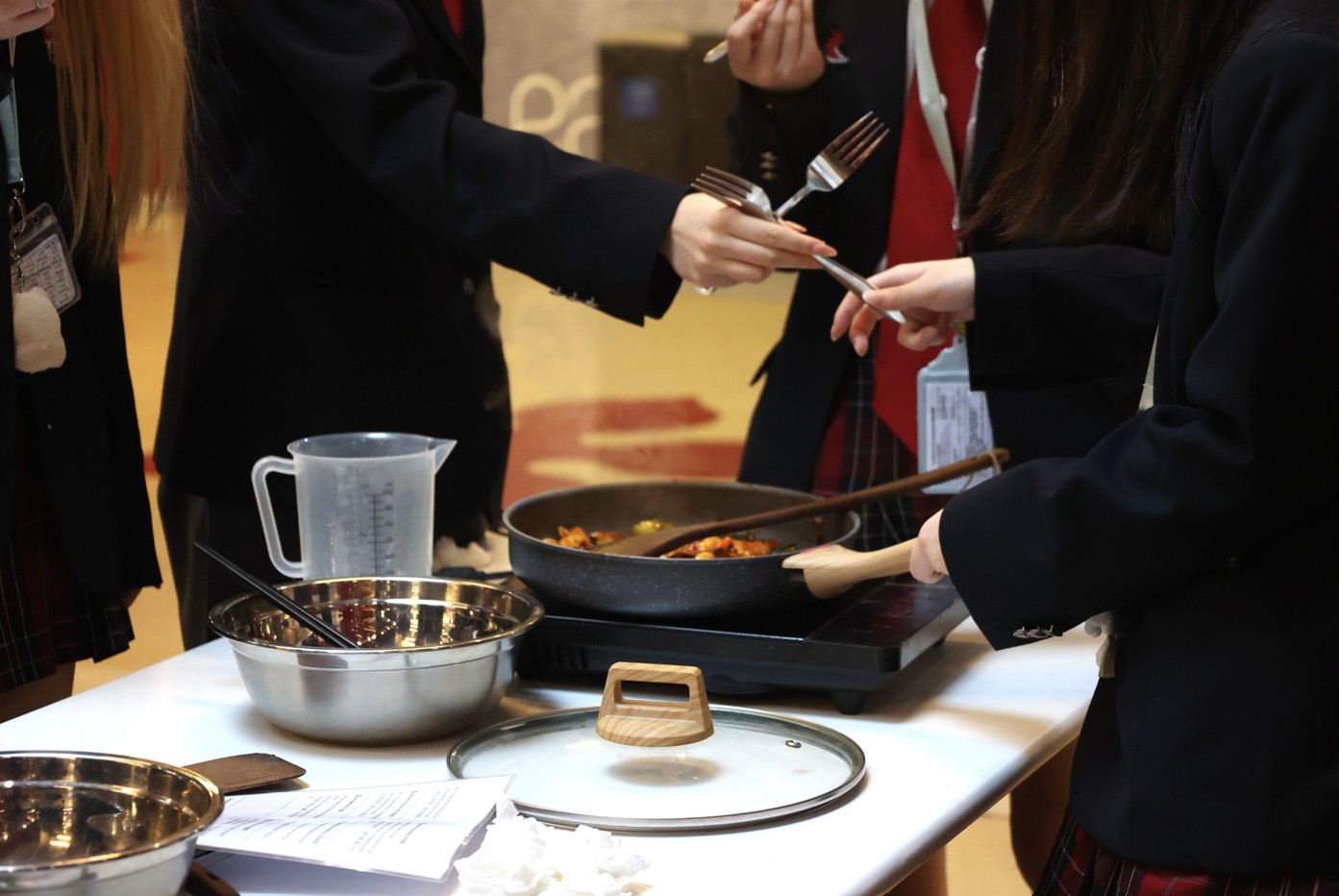
“We build a lot of communication through interdependency and teamwork,” Mr Ashton shared. “It creates an atmosphere where students don’t fear to fail. Every moment they take is a moment of experience and learning.”
Importantly, the class mirrors life beyond school. As students prepare for university and independent living, cooking becomes both a practical necessity and a metaphor for self-reliance. Students explored creativity by adjusting flavours, deciding whether their dish would be spicier or sweeter, learning that choices carry consequences and that collaboration shapes outcomes.
Hygiene as a Conscious Choice
The hygiene lesson approached wellbeing through both understanding and action. The class began with a structured introduction to dental hygiene, covering how plaque forms, why oral care matters, and how daily habits influence long-term health.
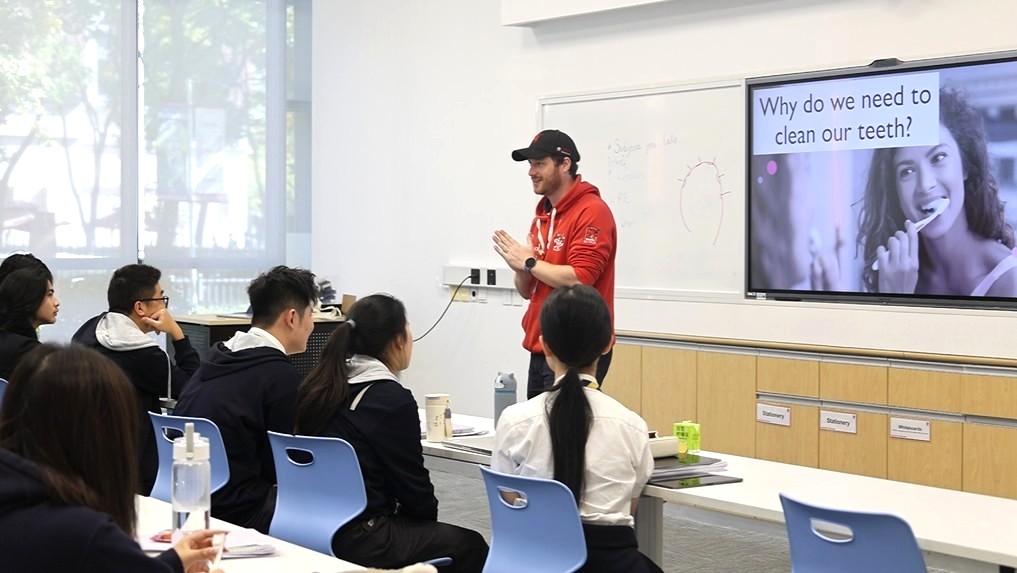
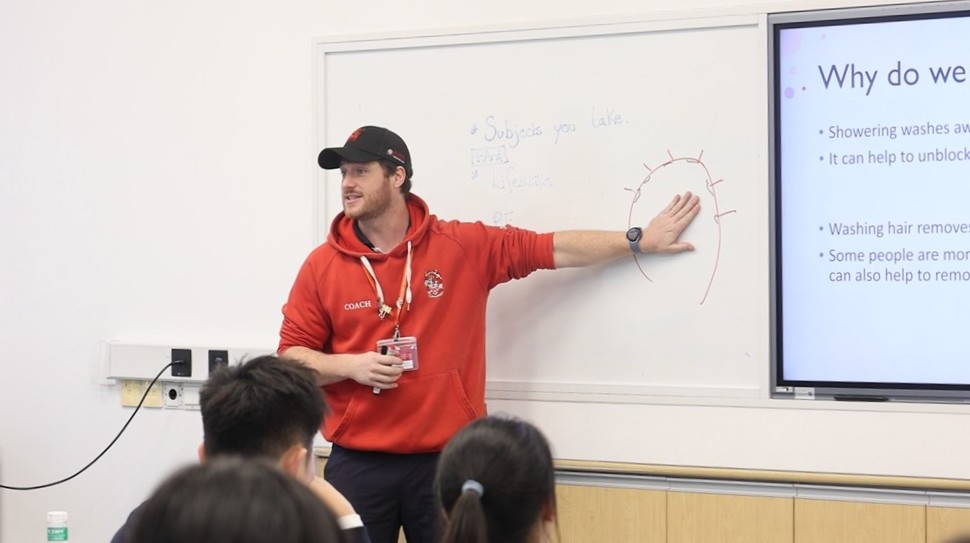
Students then applied this knowledge in practice. Each received a toothbrush and a plaque-disclosing tablet, allowing them to visualise plaque build-up and practise effective brushing techniques. Returning to the classroom, students discussed their observations and reflected on how small routines contribute to personal and communal wellbeing.
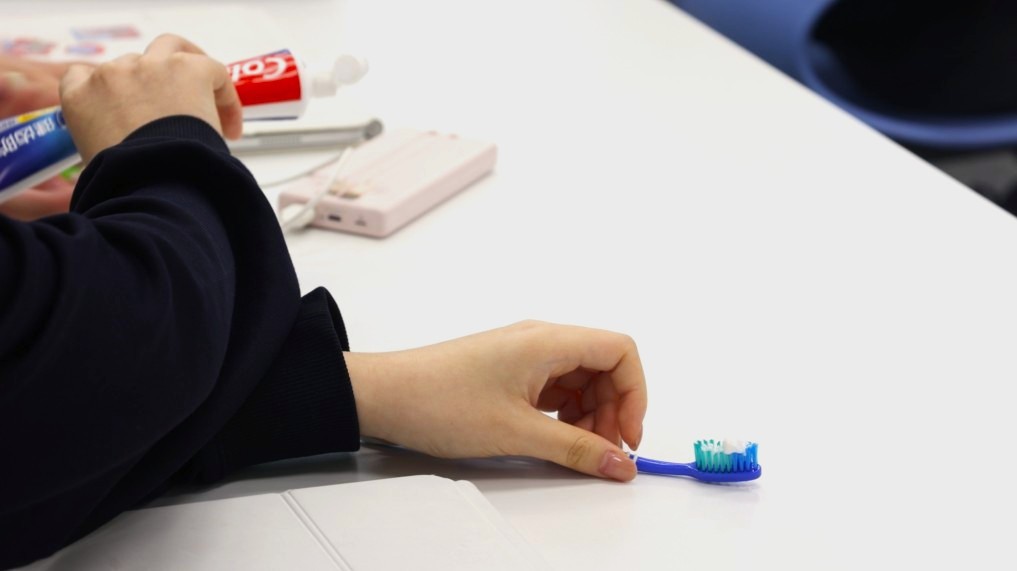
“Hygiene is a very important factor when it comes to keeping clean, fresh, and ongoing,” Mr Ashton explained. “We want students to recognise the importance of making sure the standards are high and making sure the community they’re in is clean and fresh.”
Through this lesson, hygiene was reframed not as a rule to follow, but as a conscious choice, one that reflects respect for oneself and for others.
A Safe Space for Thinking and Reflection
Across both lessons, a defining feature of Lifeskills is the learning environment itself. Students are encouraged to express ideas openly, evaluate decisions, and articulate reasoning without fear of being incorrect.
“We try to keep an open-minded environment where no student is wrong. They’re all entitled to their opinions,” Mr Ashton noted. “What we do push for is getting them to explain why they have come to that conclusion.”
This approach nurtures critical thinking and self-confidence. Students learn not only how to act, but how to reflect, an essential habit during periods of academic pressure and personal transition.
Supporting Growth Through Transition
Lifeskills also plays a key role in helping students navigate stress, particularly during transitions such as the move from IGCSE to A Level. Lessons provide opportunities to explore coping strategies, recognise the effects of stress, and develop practical responses.
“Students have the opportunity to evaluate what they’ve gone through, like the stresses in life and how they can cope with them,” Mr Ashton explained. “Many students use these strategies in their day-to-day life, especially during exams.”
Over time, these experiences build emotional readiness and resilience, qualities that extend far beyond school assessments.
The long-term impact of Lifeskills becomes increasingly visible as students grow. Those who engage actively show greater confidence in discussion, stronger social awareness, and a readiness to adapt to new environments.
“Active students in Lifeskills have a higher confidence rate,” Mr Ashton reflected. “They’re more prepared for everyday life and for life outside of school.”
Alumni often return to reflect on how Lifeskills helped them navigate university life and beyond, evidence that learning grounded in experience leaves a lasting imprint.
From preparing a shared meal to understanding personal hygiene, these Open Class lessons illustrate how thoughtfully designed experiences shape more than practical skills. They cultivate independence, resilience, and responsibility, qualities essential for life beyond the classroom.
At DHSZ, Lifeskills grows out of everyday experience and thoughtful reflection, helping students grow in Dulwich and carry those foundations with them as they learn to thrive in life.