Open Class Ep.18 A Glimpse into Psychology

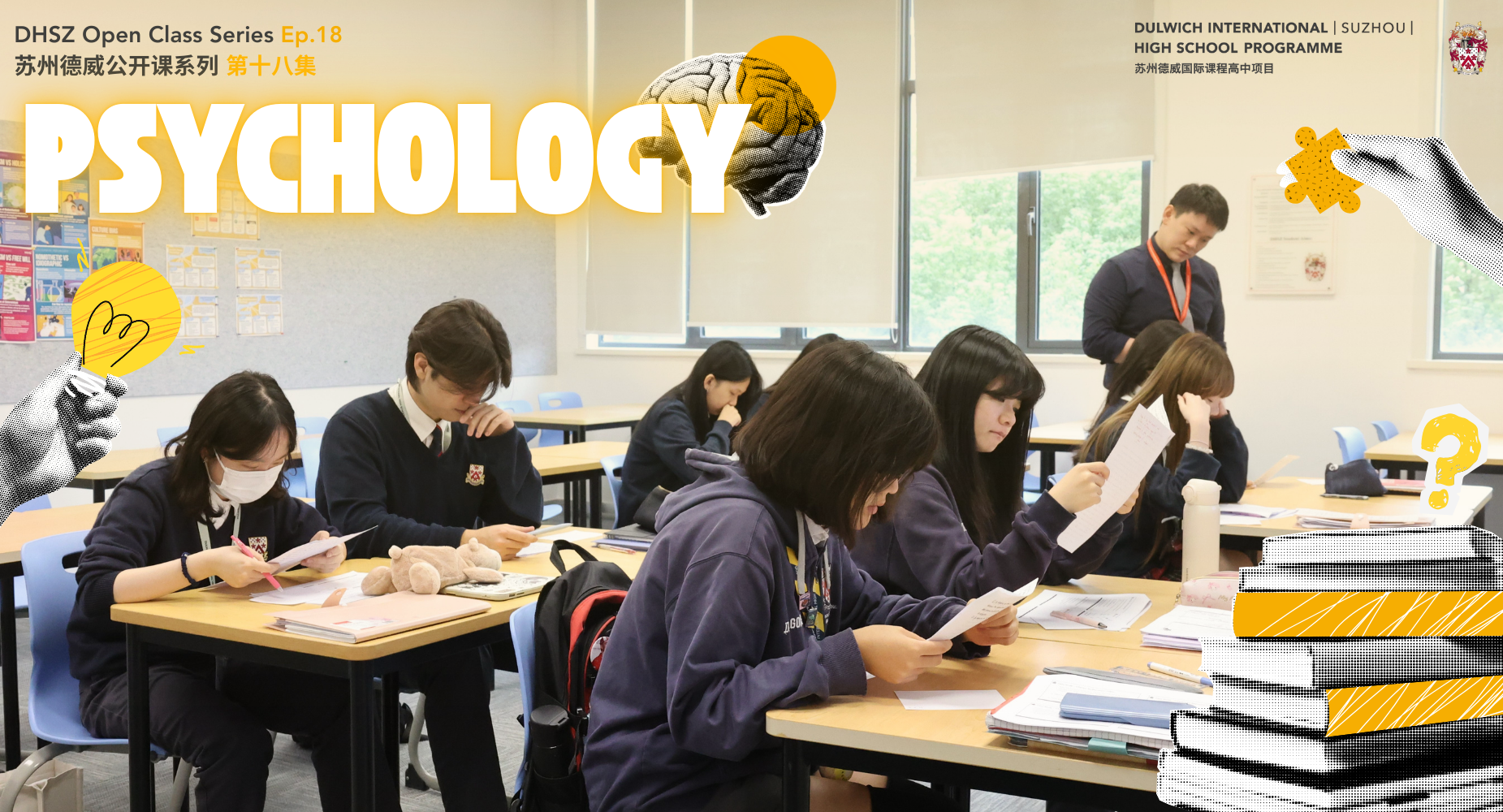
At Dulwich International High School Programme Suzhou (DHSZ), the study of Psychology goes far beyond learning theories and memorising terminology. It is a deep exploration of human behaviour, guided by curiosity, empathy, and reflection.
In Mr Chan’s Psychology classroom, students engage in evaluative writing, in-depth discussion, and open dialogue. Through these activities, they gradually learn to view human behaviour with clearer logic, sharper insight, and greater compassion.
This lesson embodies the Dulwich commitment to holistic education. Beyond rigorous academic training, students are continually learning how to understand others, how to make sense of the world, and ultimately, how to better understand themselves.
A Lesson in Thinking
The lesson opened with a focus on evaluative essays, a practical yet insightful way to help students examine the quality of their own reasoning. On the screen, a rubric outlined four key skills: evaluation, comparison, relevance, and effectiveness. Each student received a self-assessment sheet and was encouraged to identify where their argumentation was strong and where it needed refining.
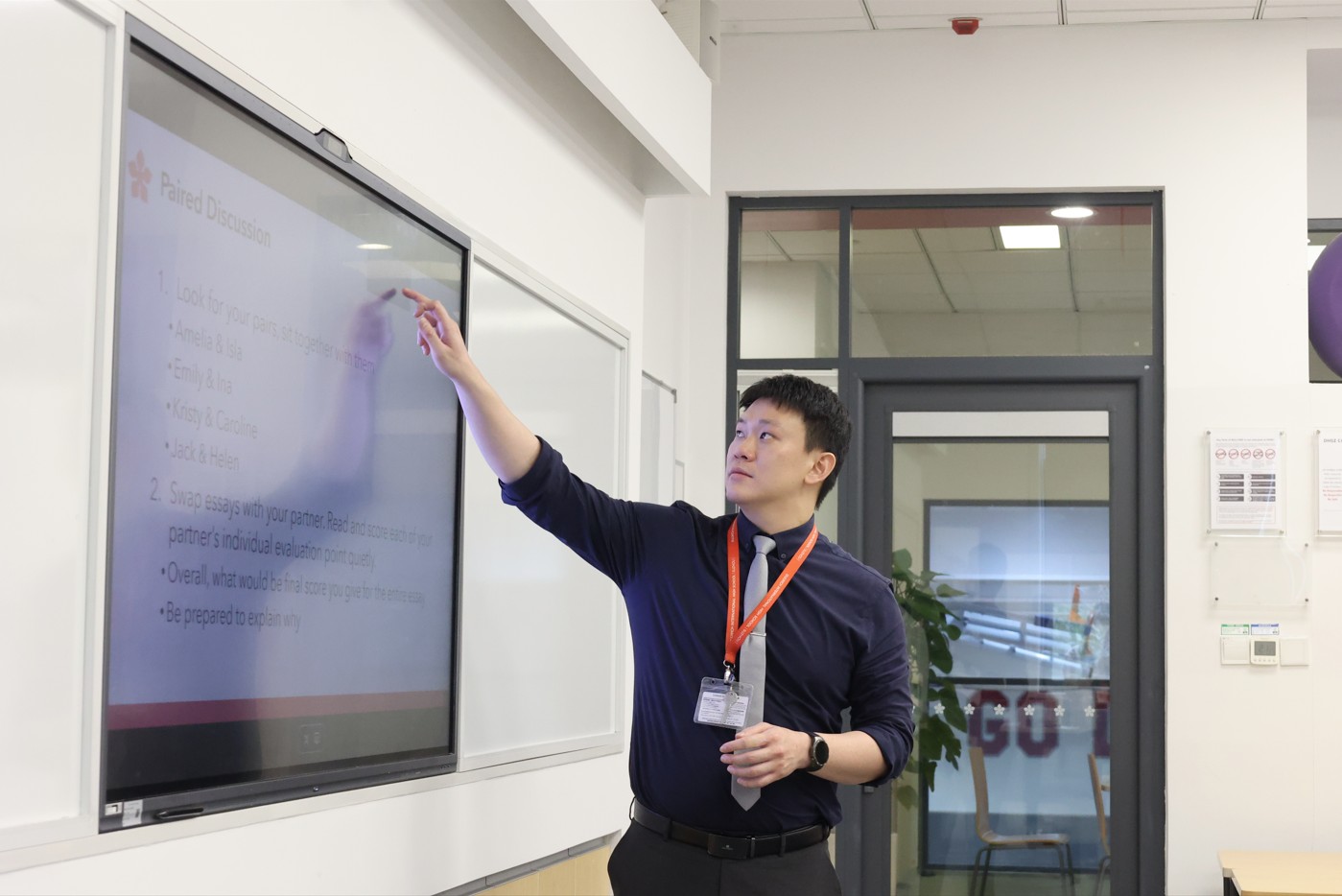
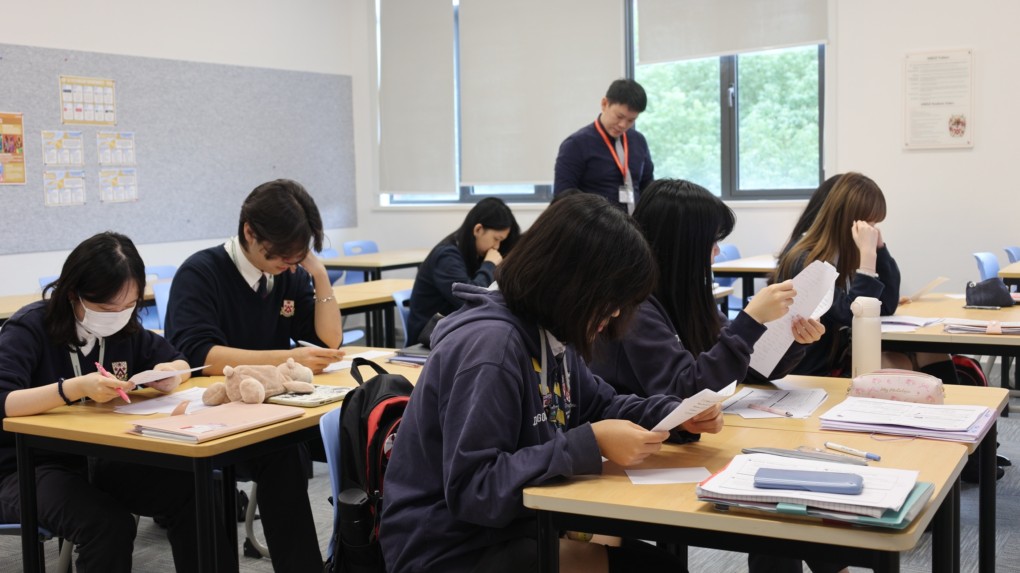
Mr Chan guided them carefully through the process. “Learning is more meaningful when students construct their own knowledge,” he said as they worked. “They need to see for themselves what is good about their writing and what can be improved.”
He reinforced the importance of depth, not length: “It’s not about writing more,” he reminded the class. “It’s about expressing general ideas with specific, meaningful points.”
When a student wondered whether having two evaluative points guaranteed a higher level, Mr Chan clarified gently: “If you have two evaluative points and one is strong, you might fall around Level 3. But with two strong points, you can reach Level 4, and possibly Level 5 if your analysis is developed.”
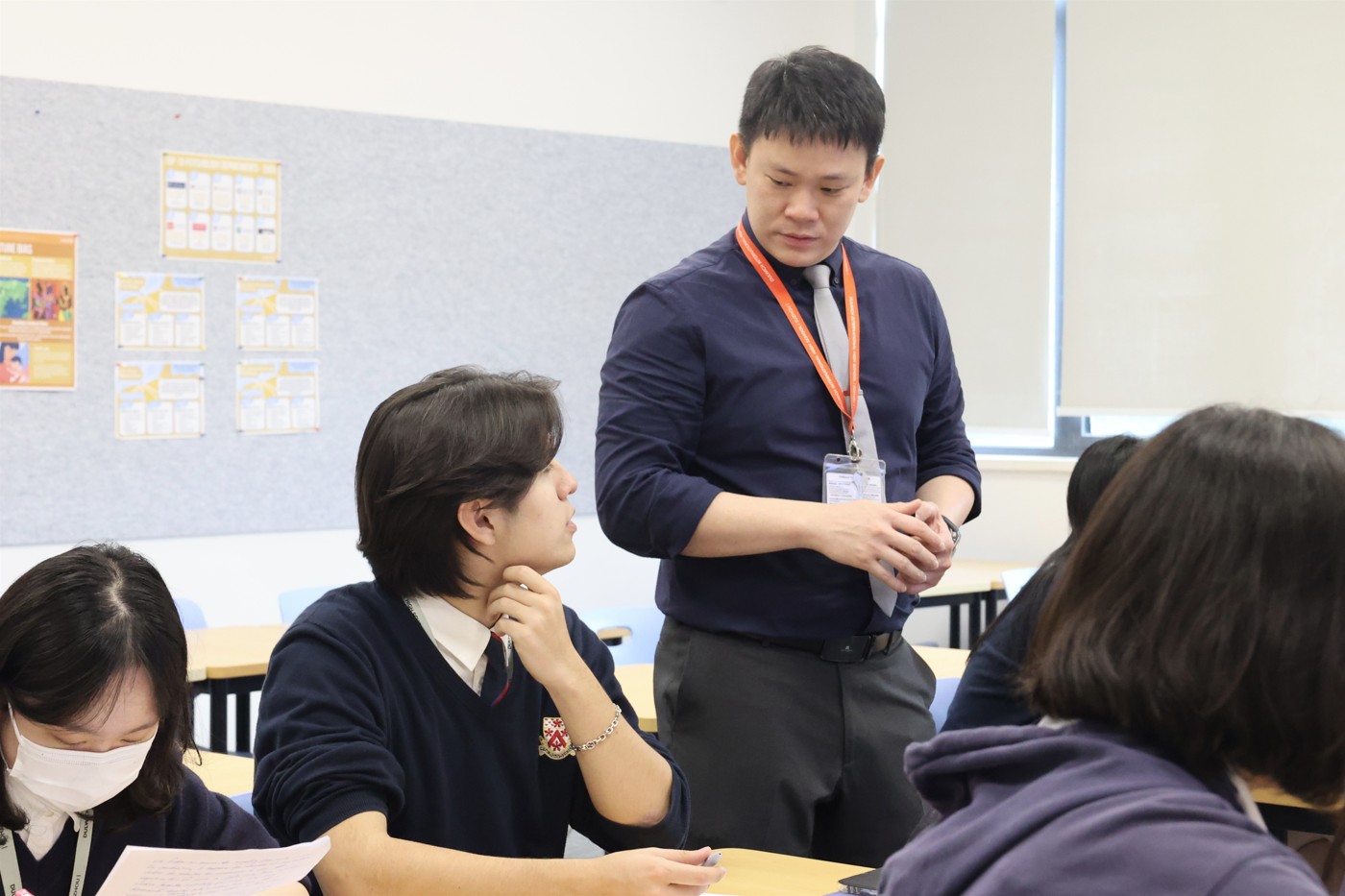
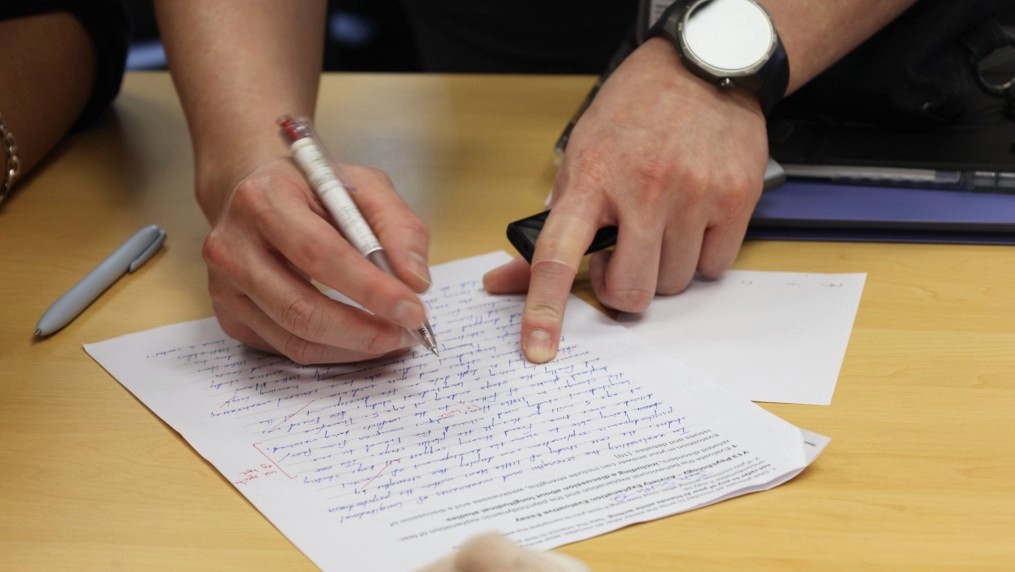
This early discussion highlighted what Psychology at DHSZ represents: clear thinking, precise reasoning, and the understanding that quality lies in the strength of ideas, not the quantity of words.
A Dialogue of Minds
After self-assessment came discussion. Students exchanged essays, compared evaluations, and offered feedback to one another. The classroom was buzzed with focused conversation, a community of learners building understanding together.
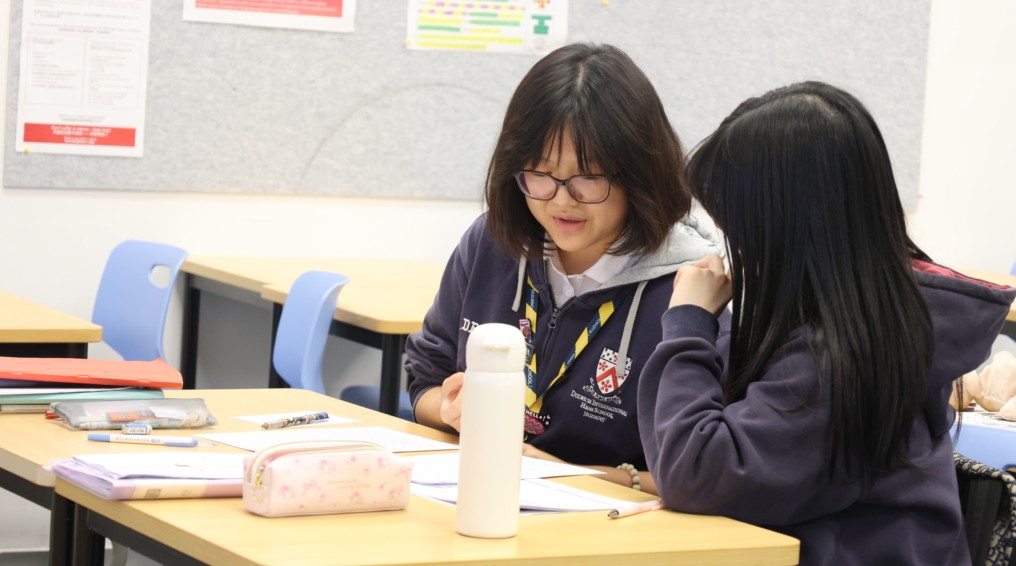
Mr Chan later explained why this matters so deeply to him: “Learning is not just about what the teacher tells the student. Students develop deeper understanding when they talk to each other. These discussions build confidence, curiosity, and a sense of shared purpose.”
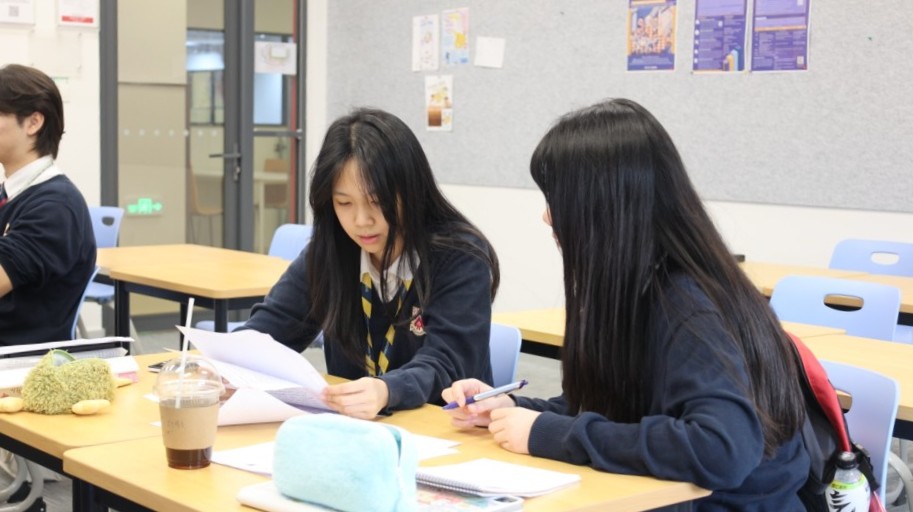
Peer learning plays a central role in Psychology. It teaches students that interpretation is never one-dimensional and that collaboration sharpens both reasoning and empathy.
As Mr Chan emphasised, “In the real world, very few things are done alone. Communication and teamwork are essential, so we practise them as much as we can.”
From Theory to Life
The lesson then shifted from writing to exploring behaviour. Students turned their attention to obsessive compulsive disorder (OCD) and the case study of Charles by Rapoport. Mr Chan opened with recall questions, prompting students to fill in missing details from the previous class.
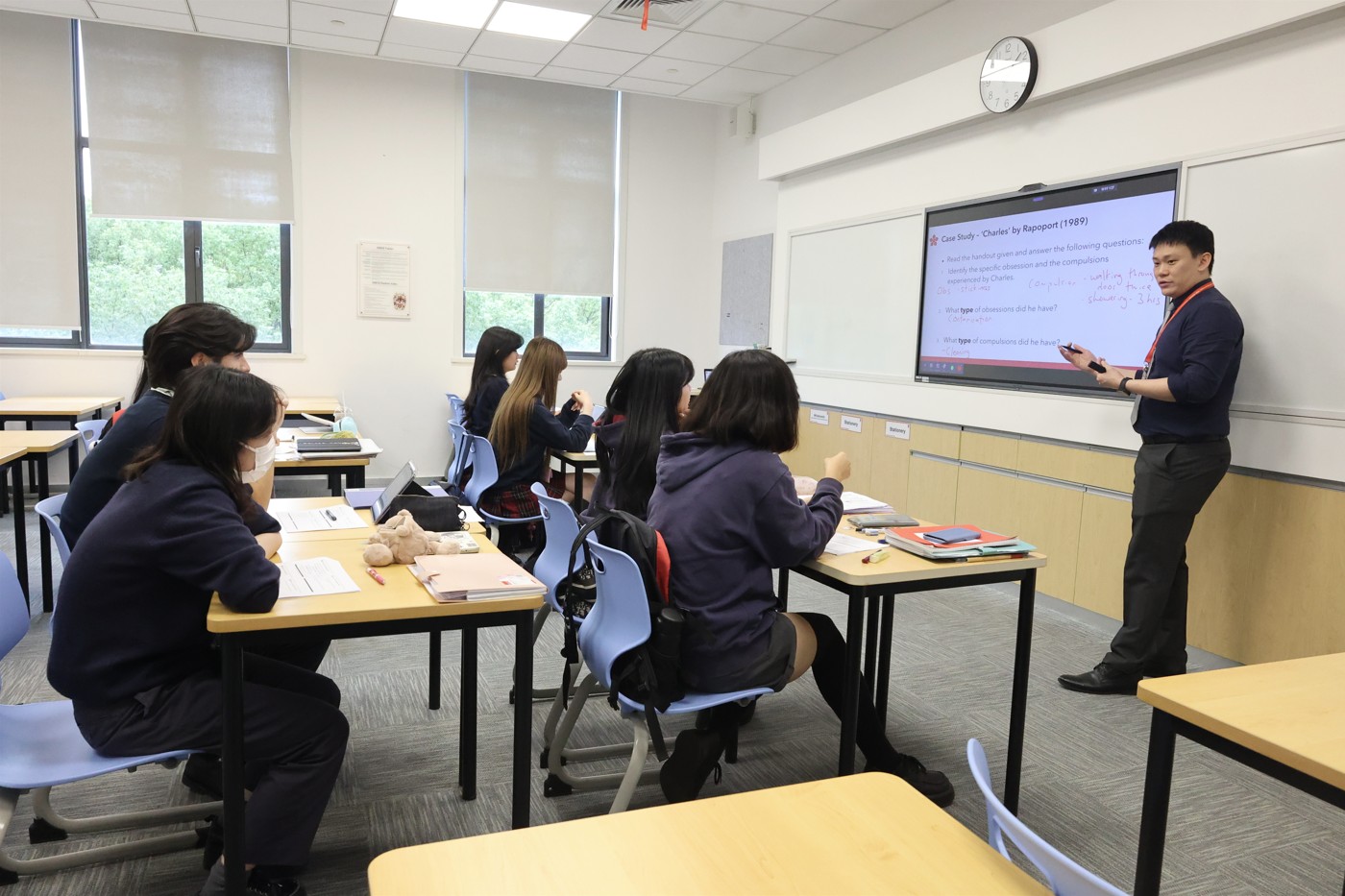
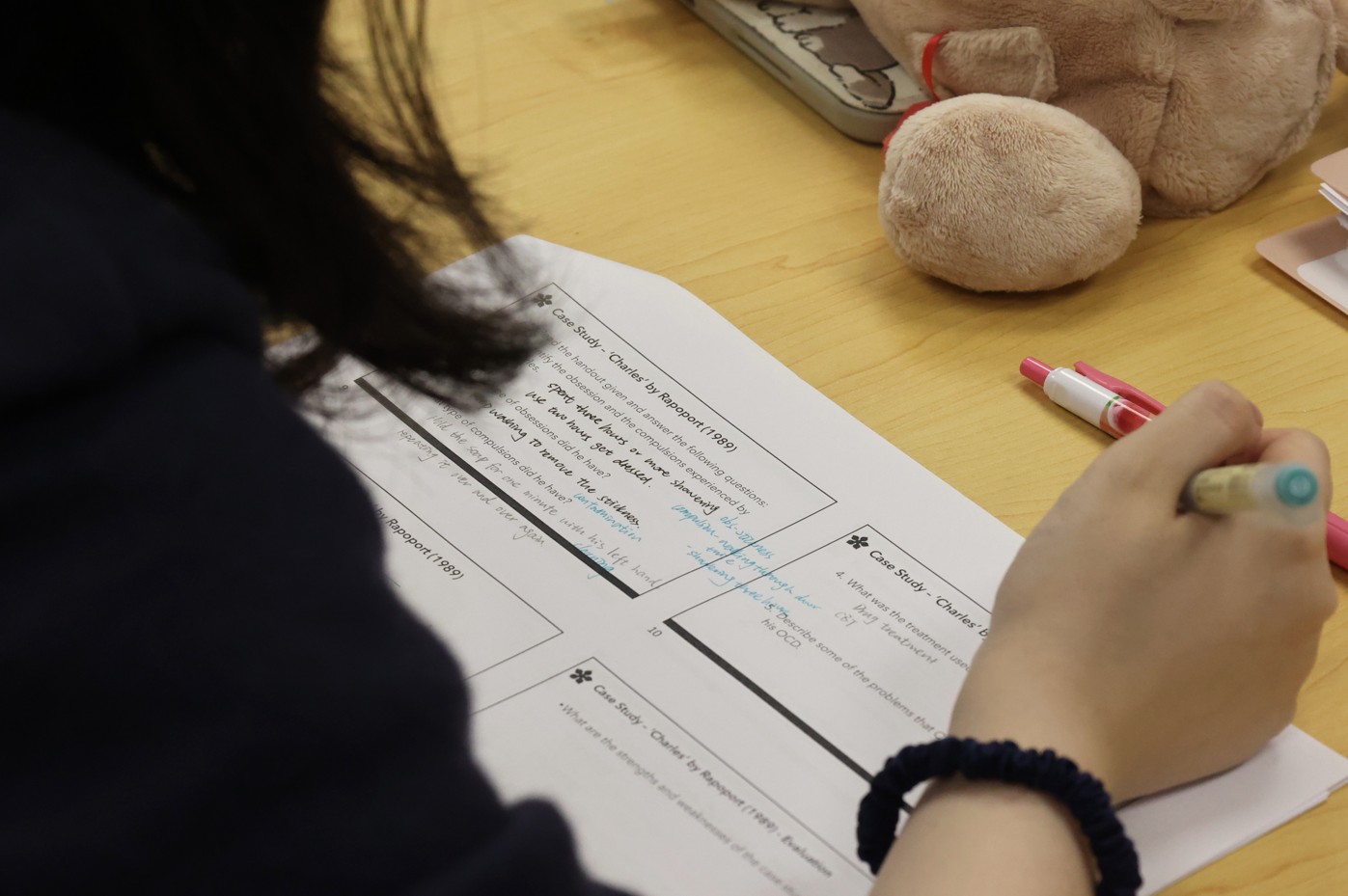
Soon, the discussion expanded into broader psychological questions:
- What does it mean for research to be objective?
- How do free will and determinism shape behaviour?
- To what extent does the environment influence thought?
These inquiries invited students to confront the complexity of human behaviour. When a student asked about researcher bias, Mr Chan explained, “Bias can be a challenge in case studies. Interpretation always plays a role, so we must be careful and fair in how we read findings.”
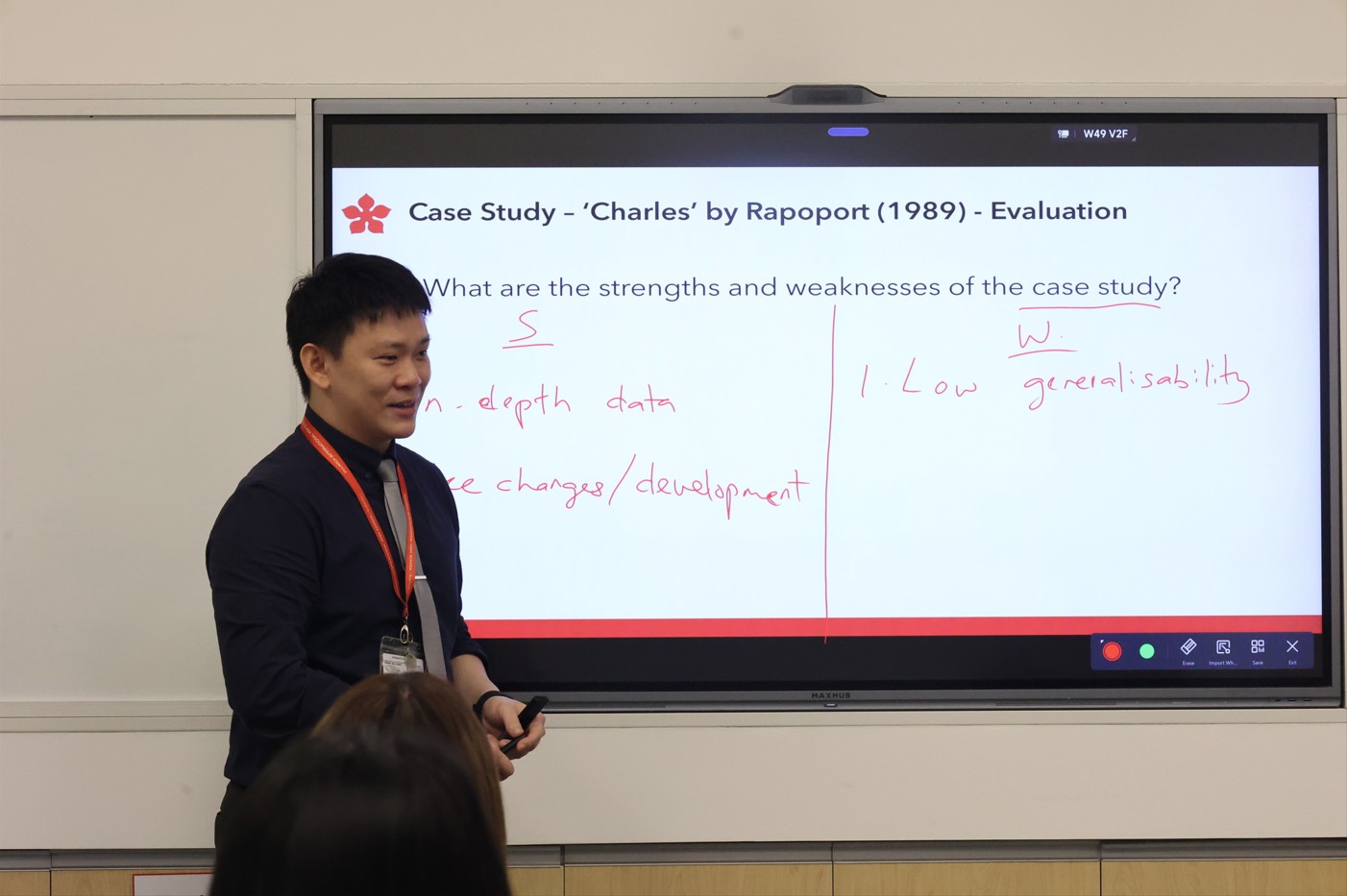
To root the topic in lived experience, he posed a simple but powerful question: “What would you do if you were the parent of a child with OCD?” The room paused. Students reflected. Discussions that followed became personal, thoughtful, and sincere.
Mr Chan then addressed a common misconception directly: “OCD is often misunderstood. In daily life, people use the word to mean wanting things to be clean. But OCD is a serious disorder with real implications for a person’s quality of life. Learning about it helps us understand others better and be kinder.”
Through this conversation, students saw that Psychology is not merely an academic field; it is a way of seeing others with compassion.
A Safe Space for Honest Learning
Throughout the class, students shared ideas openly, revealing curiosity, vulnerability, and reflection. Mr Chan’s calm and grounded presence shaped an atmosphere where students felt heard and respected.
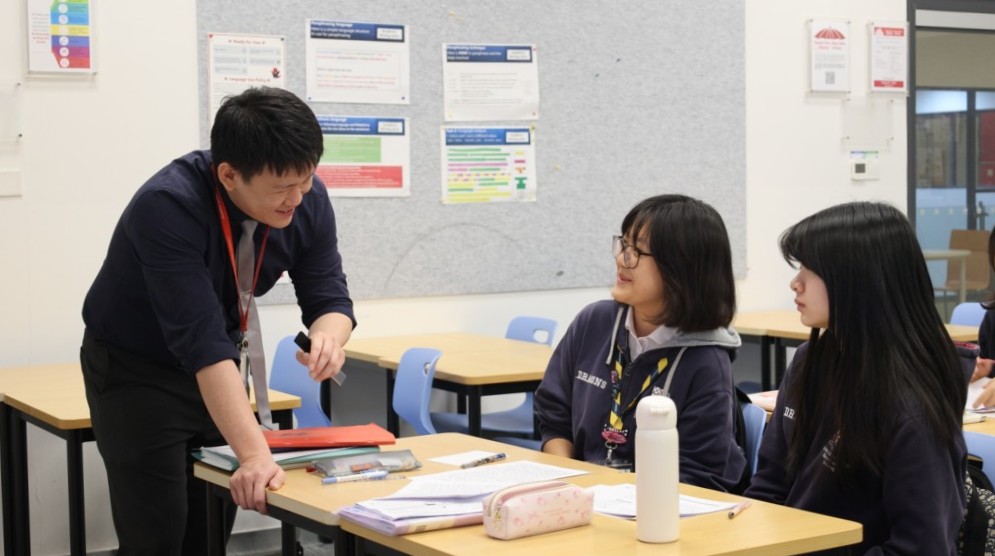
He later described his intention: “We want discussions to be genuine. That requires a safe environment where students can express thoughts they may not usually share. When those thoughts come out, we discuss them openly. Students then develop deeper, more empathetic views of the topic, and of each other.”
In this environment, Psychology becomes a practice in awareness, awareness of thought, emotion, and the human experience.
Growth Beyond the Subject
By the end of the lesson, what began as an exploration of essays and case studies had grown into a reflection on how people think, feel, and change.
Mr Chan has witnessed this transformation firsthand: “At the start, students often see mental disorders as taboo or negative. But through learning, they realise how common these struggles are, and that experiencing them doesn’t make someone less human.”
This shift in mindset is what gives Psychology its lasting value. It nurtures emotional maturity, self-awareness, and respect for the experiences of others.
Values That Shape Learning
Mr Chan’s open class beautifully embodied DHSZ’s approach to education.
- Curiosity was evident as students asked questions, shared experiences, and explored new perspectives.
- Critical thinking guided them as they evaluated their writing and examined the complexities of psychological research.
- Empathy grew through conversations about mental health, humanity, and real-life challenges.
- Collaboration turned learning into a shared journey, both intellectual and emotional.
As Mr Chan concluded, “What I hope parents can see is that learning here is active. Students do not sit passively. They engage with ideas, with each other, and with the teacher. We look for deeper understanding, not memorisation, but the ability to analyse and apply knowledge meaningfully.”
Through these experiences, Psychology becomes more than a subject. It becomes a journey of discovery, a way of understanding others, and a step toward understanding oneself.